

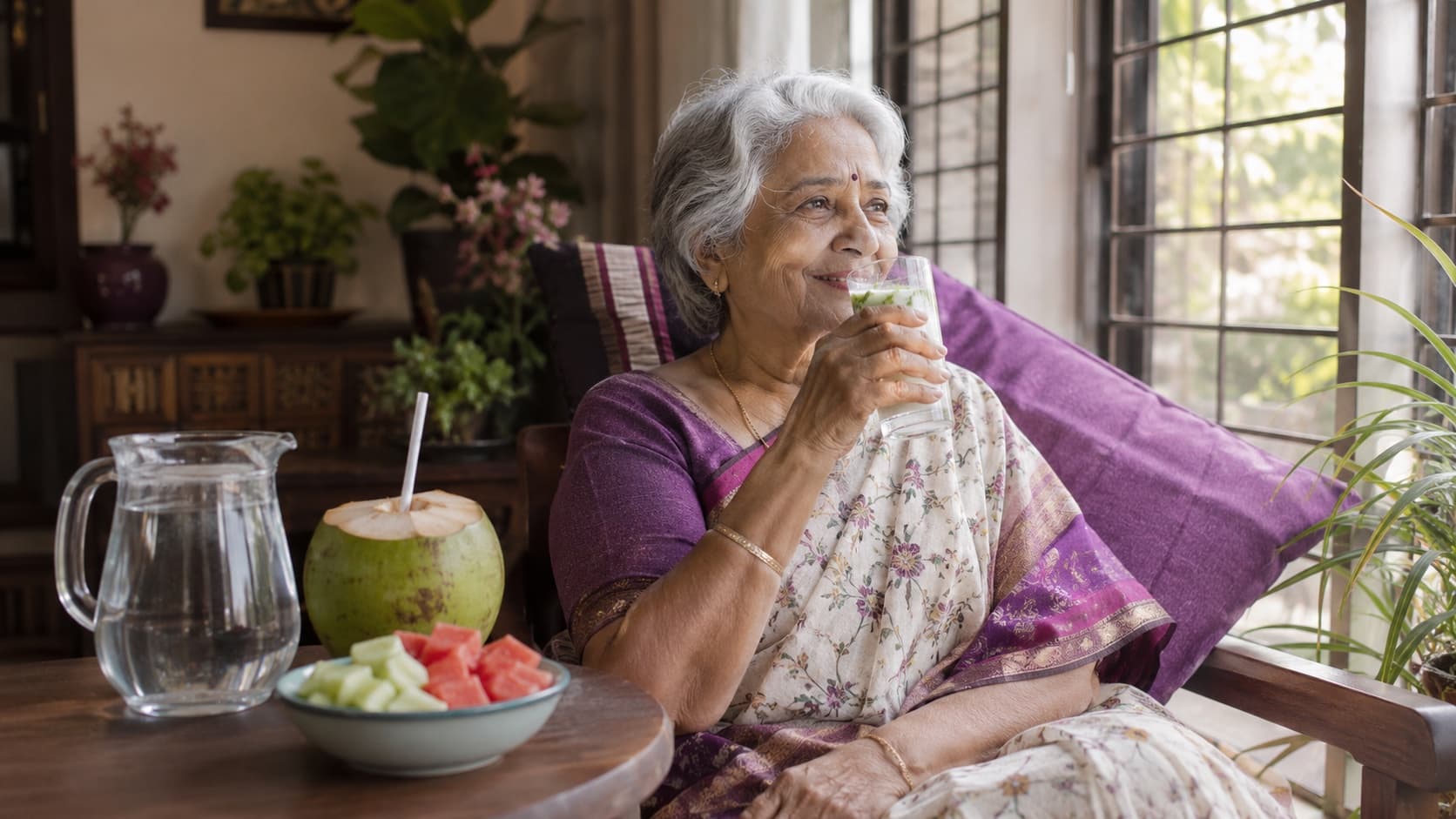
You have not felt quite yourself this week. A little irritable, a bit foggy in the afternoons, perhaps light-headed when you stand up. It would be easy to blame a medicine, or a poor night's sleep, or the weather. But the real reason is often much simpler than any of those: you are not drinking enough water.
Dehydration in older people is easy to miss, genuinely dangerous when it builds up, and far more common than most families realise, especially in a climate like Bangalore's. One of the quiet changes that comes with age is that the body stops signalling thirst properly. You may not feel thirsty at all until you are already low on water, and by then the trouble, whether dizziness, confusion, a fall, or strain on the kidneys, has already begun.
Why you may not feel thirsty even when you need water
The sense of thirst fades as we get older. It is quite possible to be low on water and feel no thirst whatsoever. Several things quietly work against staying hydrated after 70:
- The kidneys become less efficient at holding on to water.
- Some common medicines, such as water tablets for blood pressure, laxatives, and certain diabetes medicines, make the body lose more fluid.
- Many seniors deliberately drink less to avoid trips to the bathroom, especially at night.
- Getting up to fetch a glass of water becomes harder with stiff joints, weak legs, or shaky balance.
- It is easy to simply forget to drink, or to forget that you already did.
- Bangalore's weather, though kinder than many Indian cities, has dry spells and warm afternoons, particularly from March to May, that draw more water out of the body than you notice.
The warning signs that are easy to brush off
Dehydration rarely announces itself. It hides behind symptoms that look like other things:
- A dry mouth and cracked lips, often dismissed as just getting older.
- Dark yellow urine. This is the simplest daily check of all. Pale, straw-coloured is what you want.
- Feeling dizzy or unsteady when you stand up.
- Headaches and tiredness, blamed on poor sleep or the weather.
- Confusion or irritability. Low water can cloud the mind, and this is sometimes mistaken for memory trouble.
- Constipation. Hard, infrequent stools are often about water, not only fibre.
- Passing urine less often than usual.
If you feel very confused or drowsy, or you have not passed urine for many hours, do not wait it out. Tell someone and get medical help promptly, because severe dehydration can seriously affect the kidneys and the heart.
Making water easy to reach and easy to drink
Simply being told to drink more water rarely works. What works is making it effortless, giving it some flavour, and turning it into a habit.
- Keep a bottle or small jug within arm's reach of wherever you sit most, whether that is your favourite chair, the bed, or the balcony. Out of sight really is out of mind.
- Use a marked bottle with simple goals through the day, such as finishing it by mid-morning and refilling after lunch. Something you can see works better than trying to remember.
- A soft phone reminder every hour or two, gentle rather than startling, helps build the rhythm.
- Drink from a glass or tumbler you like. Familiar things get used more.
- Keep a small electric kettle by the bedside for warm water first thing in the morning. Many of us prefer warm water anyway, and it saves a walk to the kitchen.
If your family or a caretaker helps look after you, this is an easy thing for them to set up and keep an eye on, and a Care Manager can make sure water is always within reach during visits.
Flavour helps: Indian drinks that hydrate
Plain water can feel dull, and hard to get through in any quantity. The Indian kitchen is full of better options:
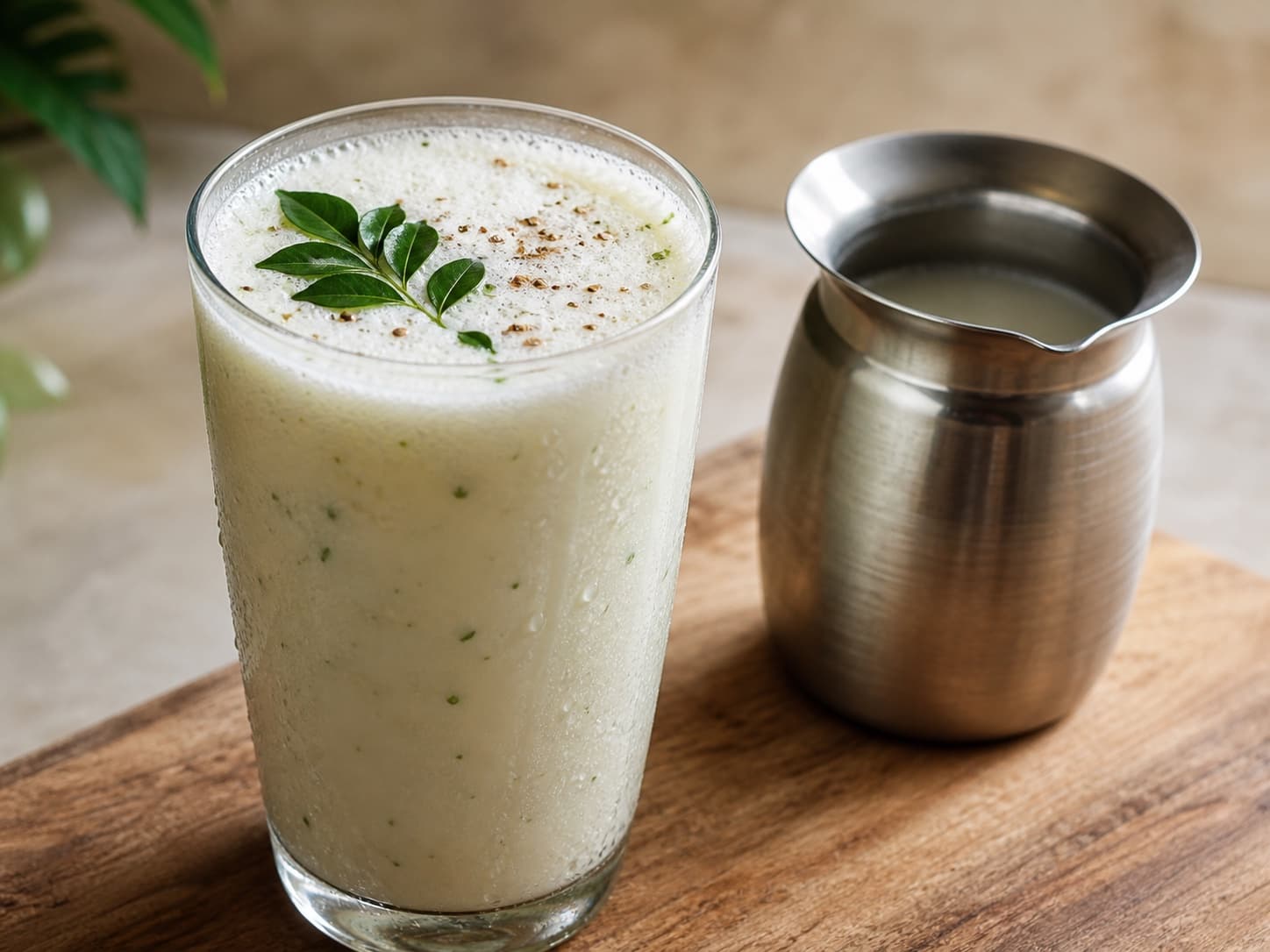
Buttermilk (chaas or moru)
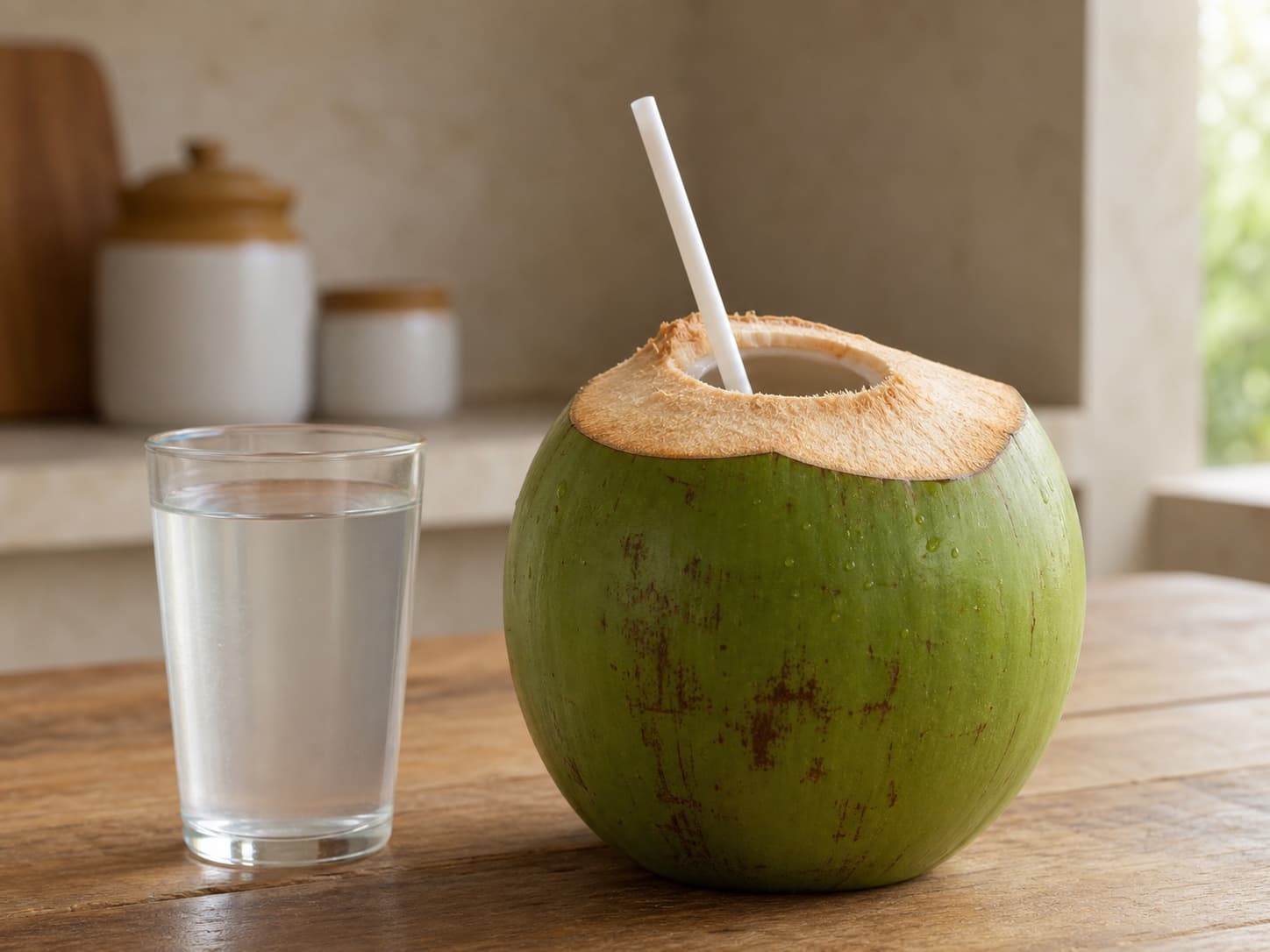
Tender Coconut Water
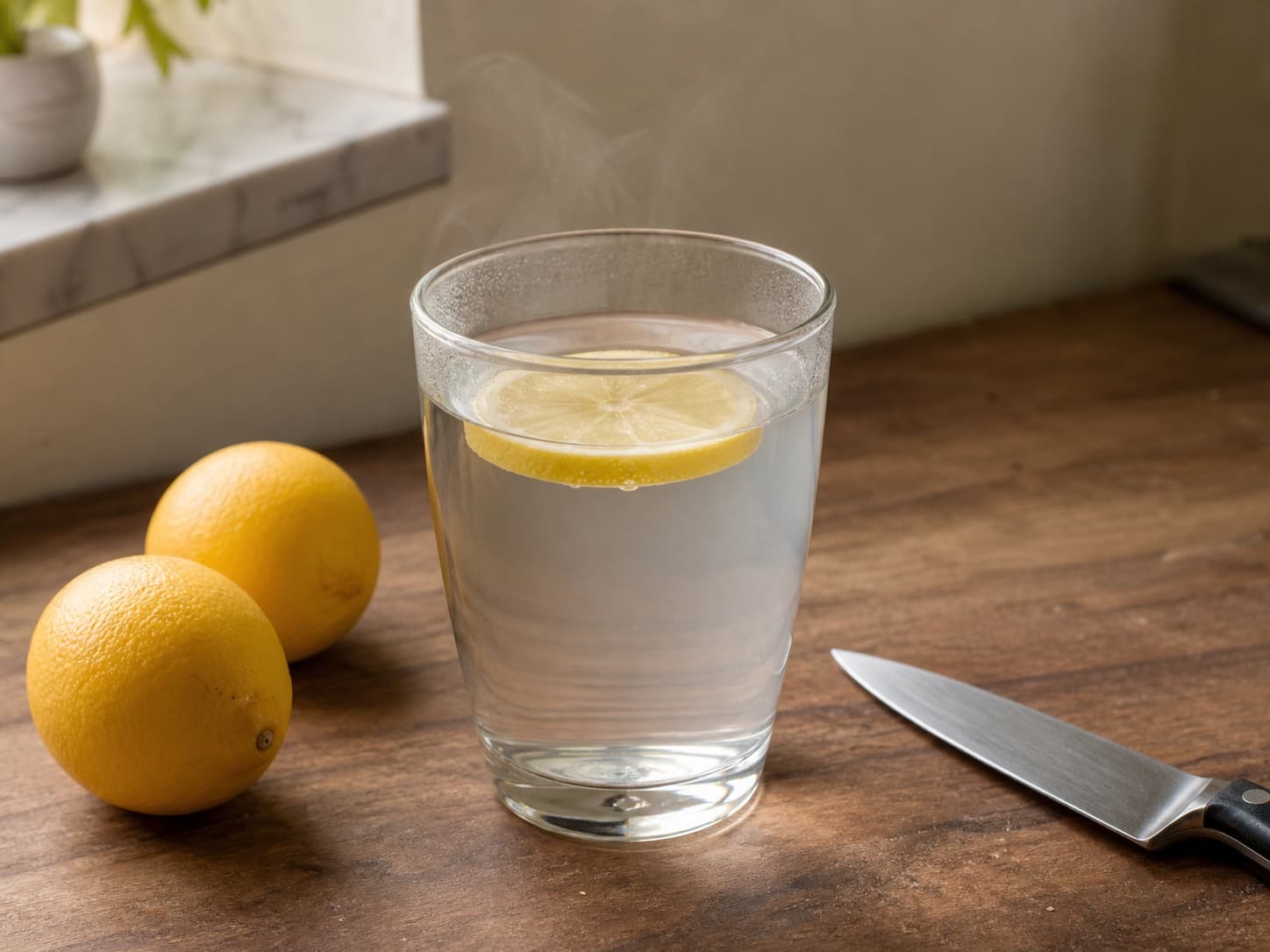
Warm Lemon Water
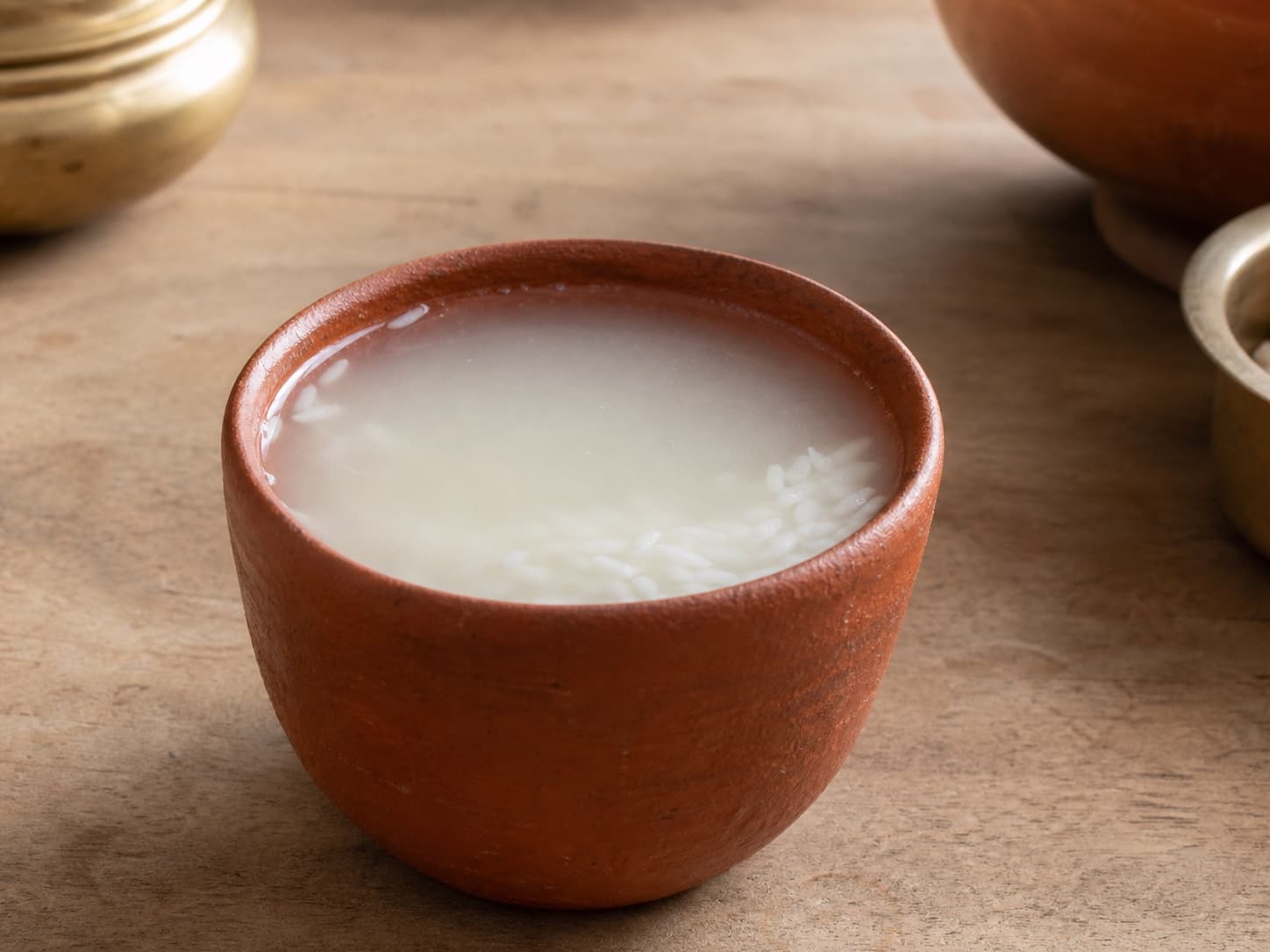
Kanji (fermented rice water)
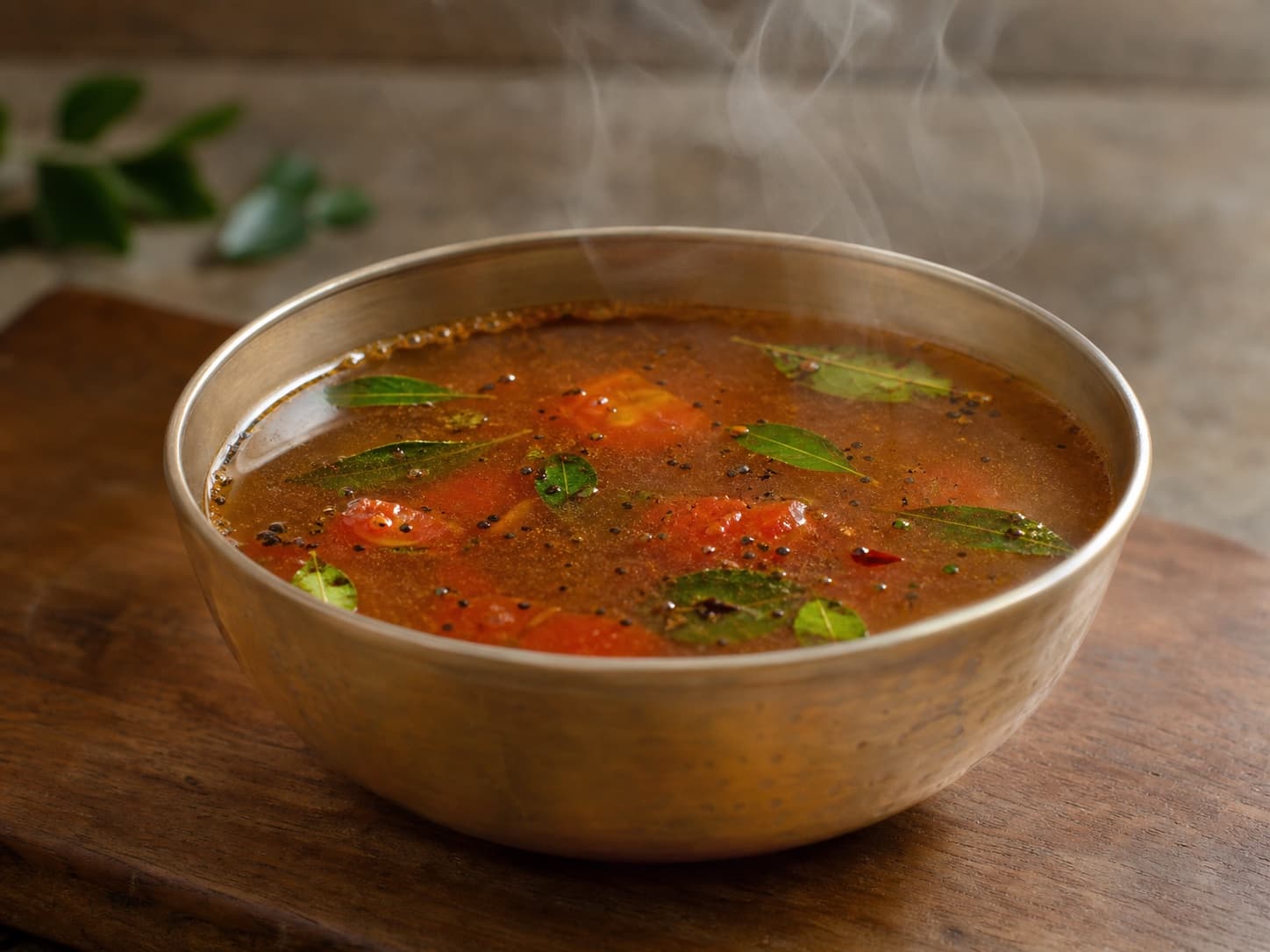
Clear Soups and Rasam
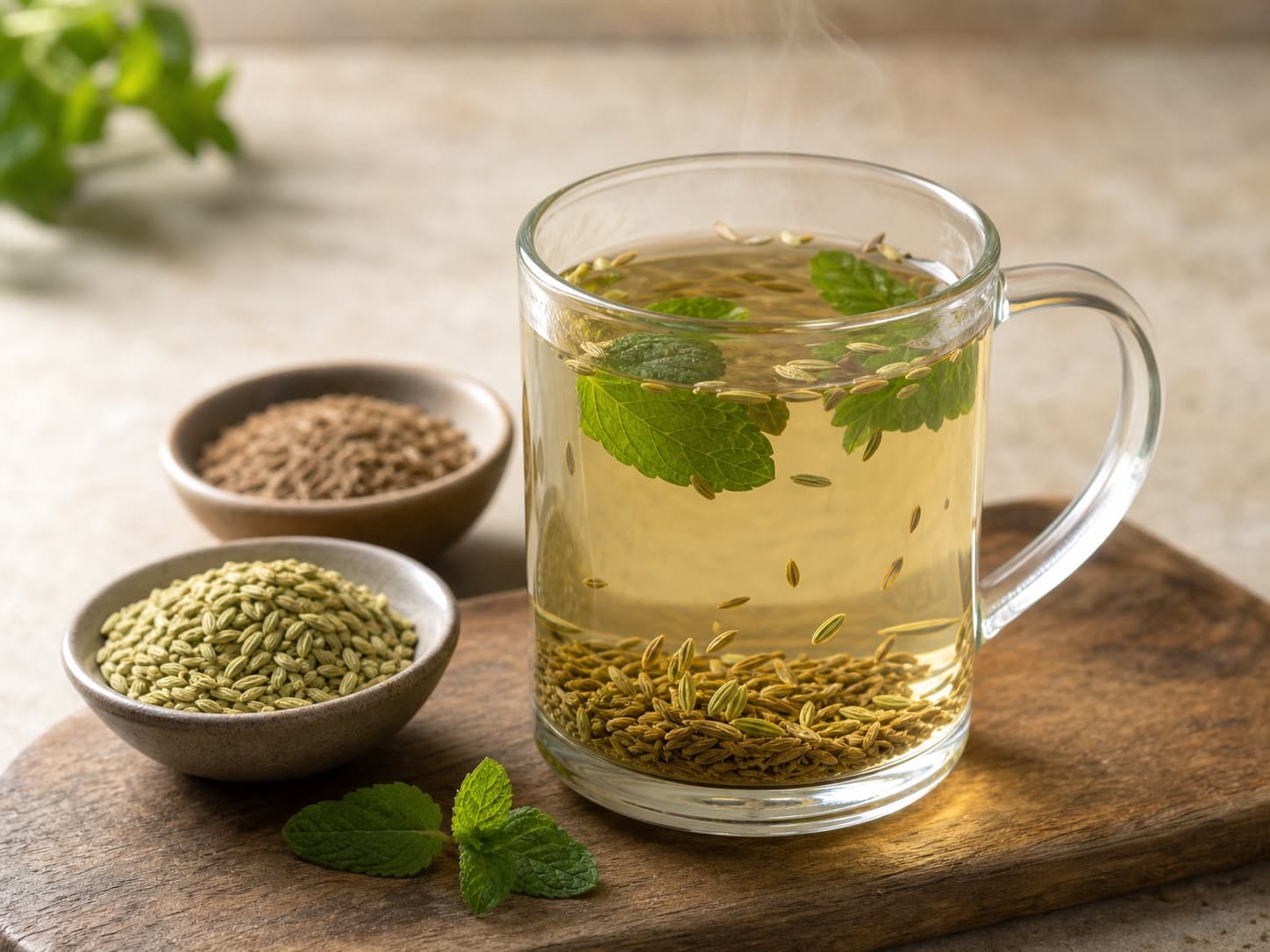
Fennel, Cumin or Mint Water
Go easy on tea and coffee, which can make the body lose water, and on packaged fruit juices and fizzy drinks, which carry a lot of sugar for little benefit.
The sneaky way: foods that hydrate
A good part of your daily water comes from food, so water-rich foods help fill the gap on days when drinking is hard:
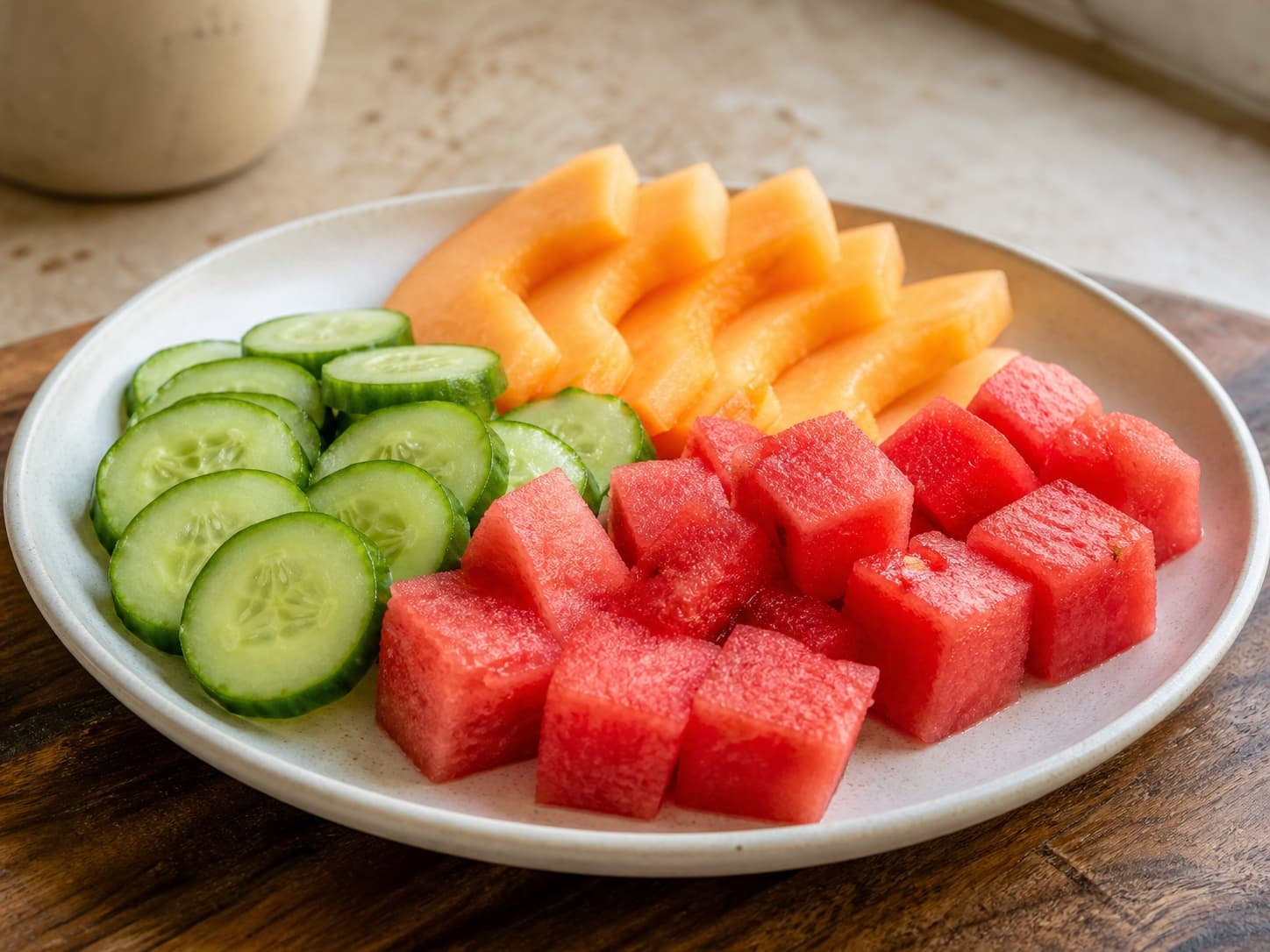
Cucumber, Watermelon and Muskmelon
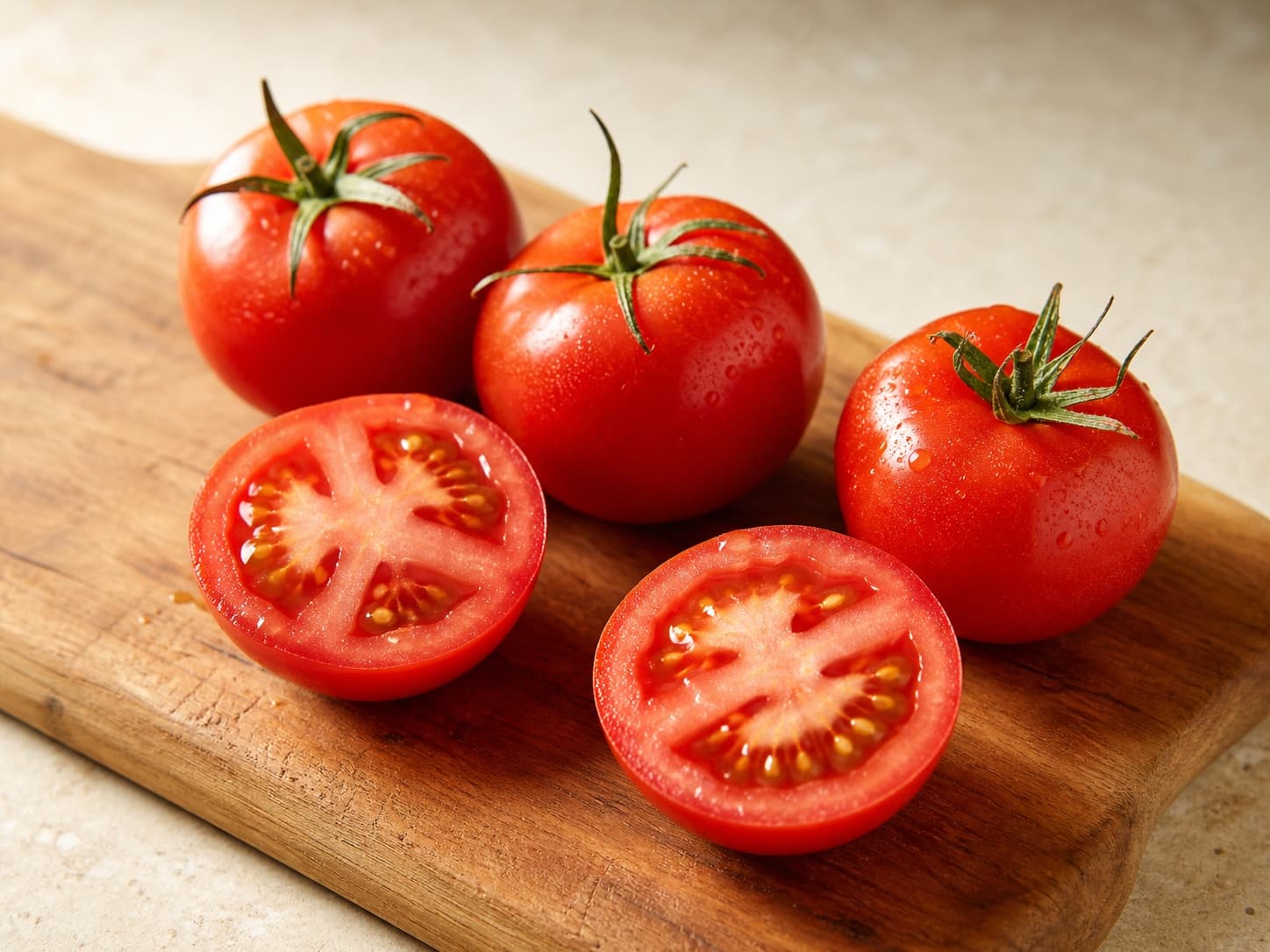
Tomatoes
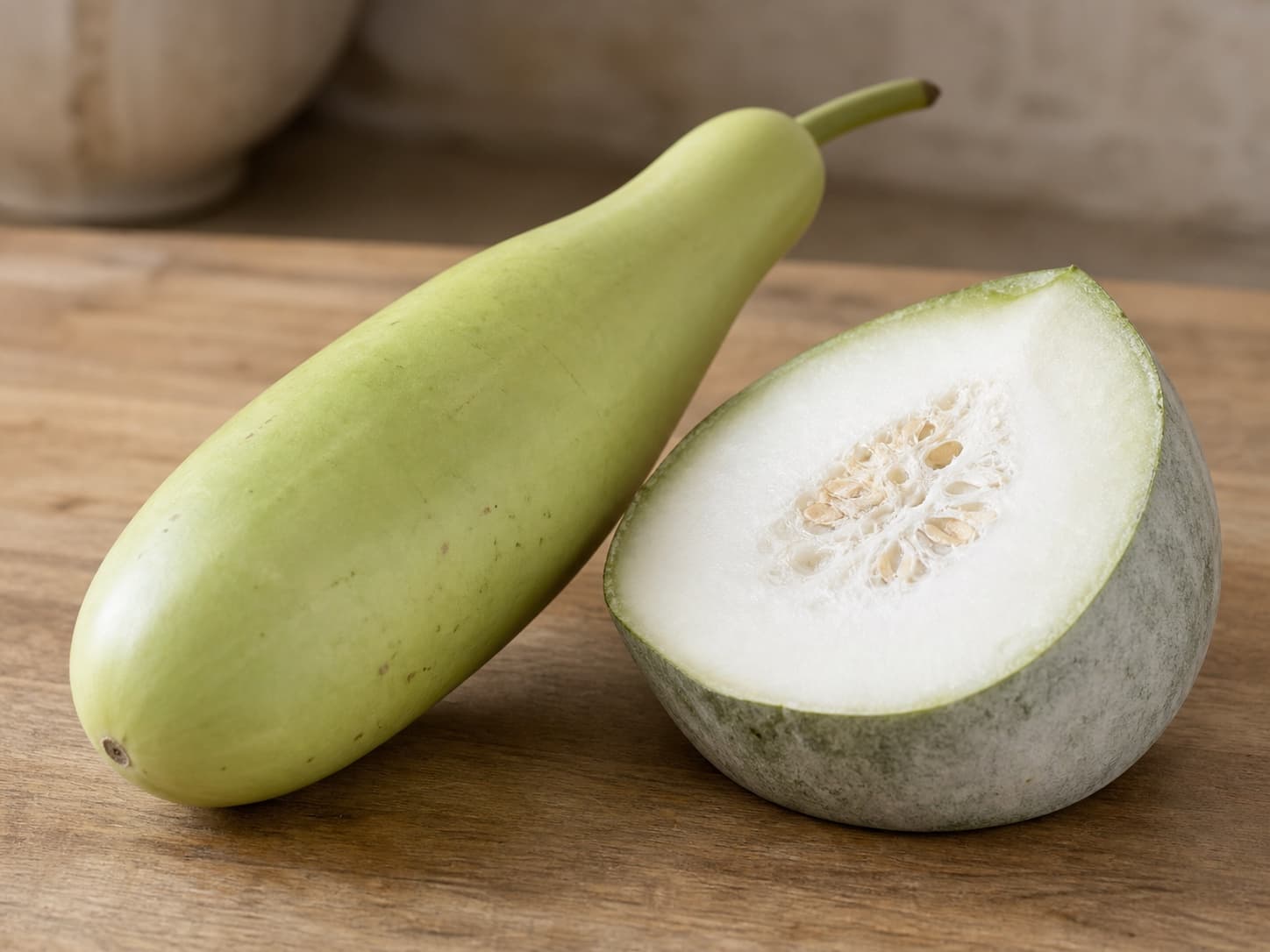
Bottle Gourd and Ash Gourd
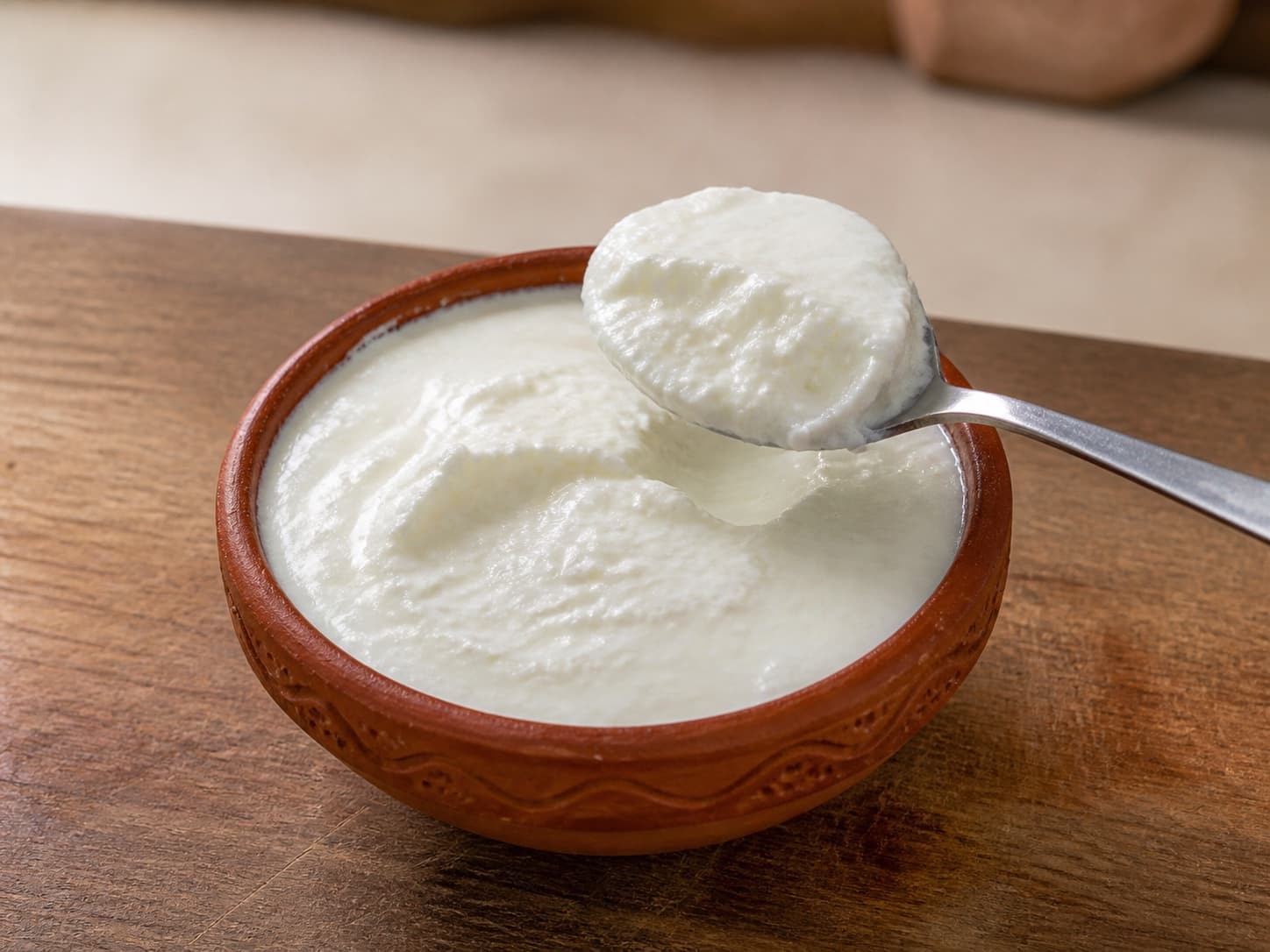
Curd and Yoghurt
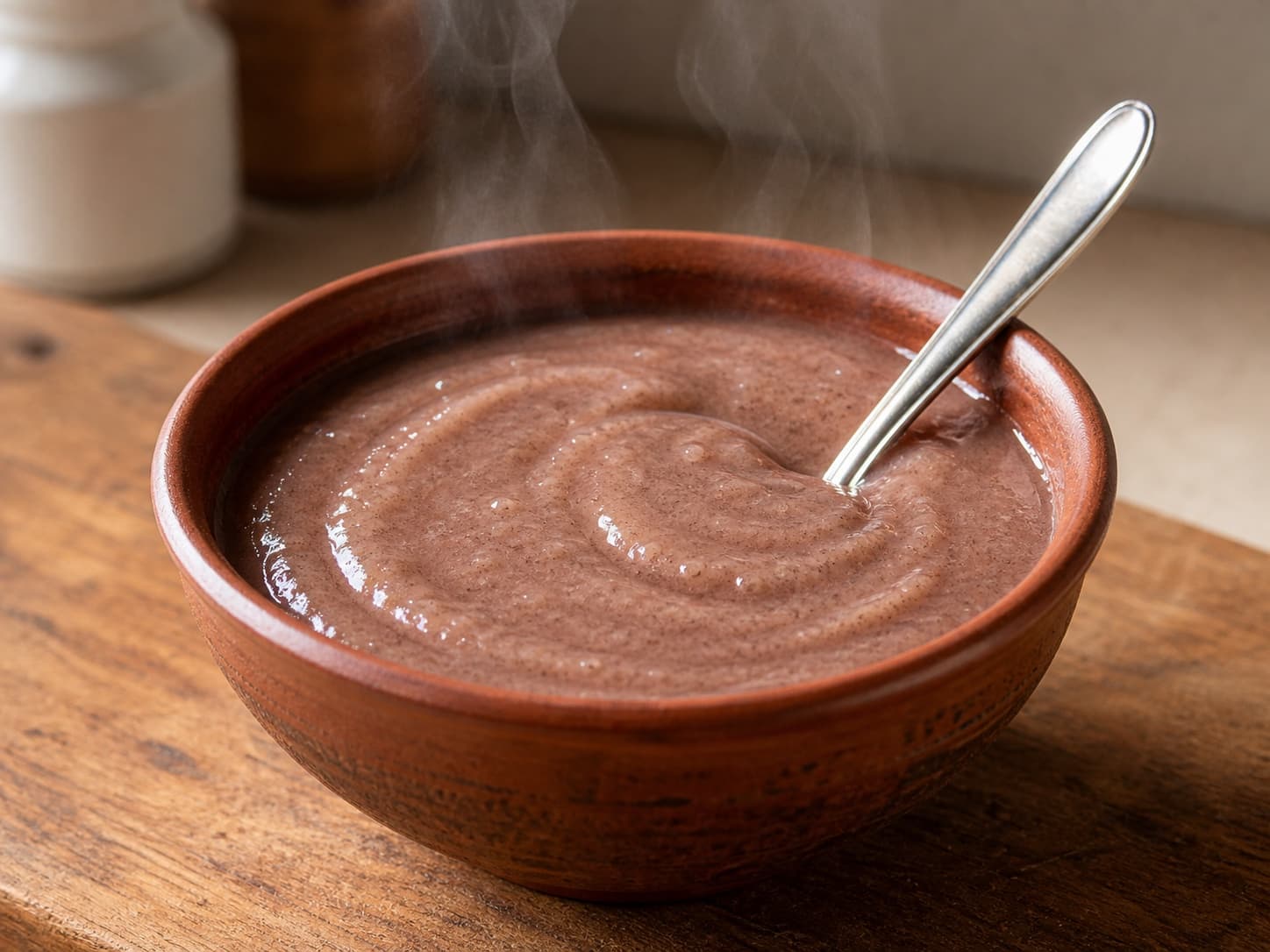
Warm Porridge and Kanji
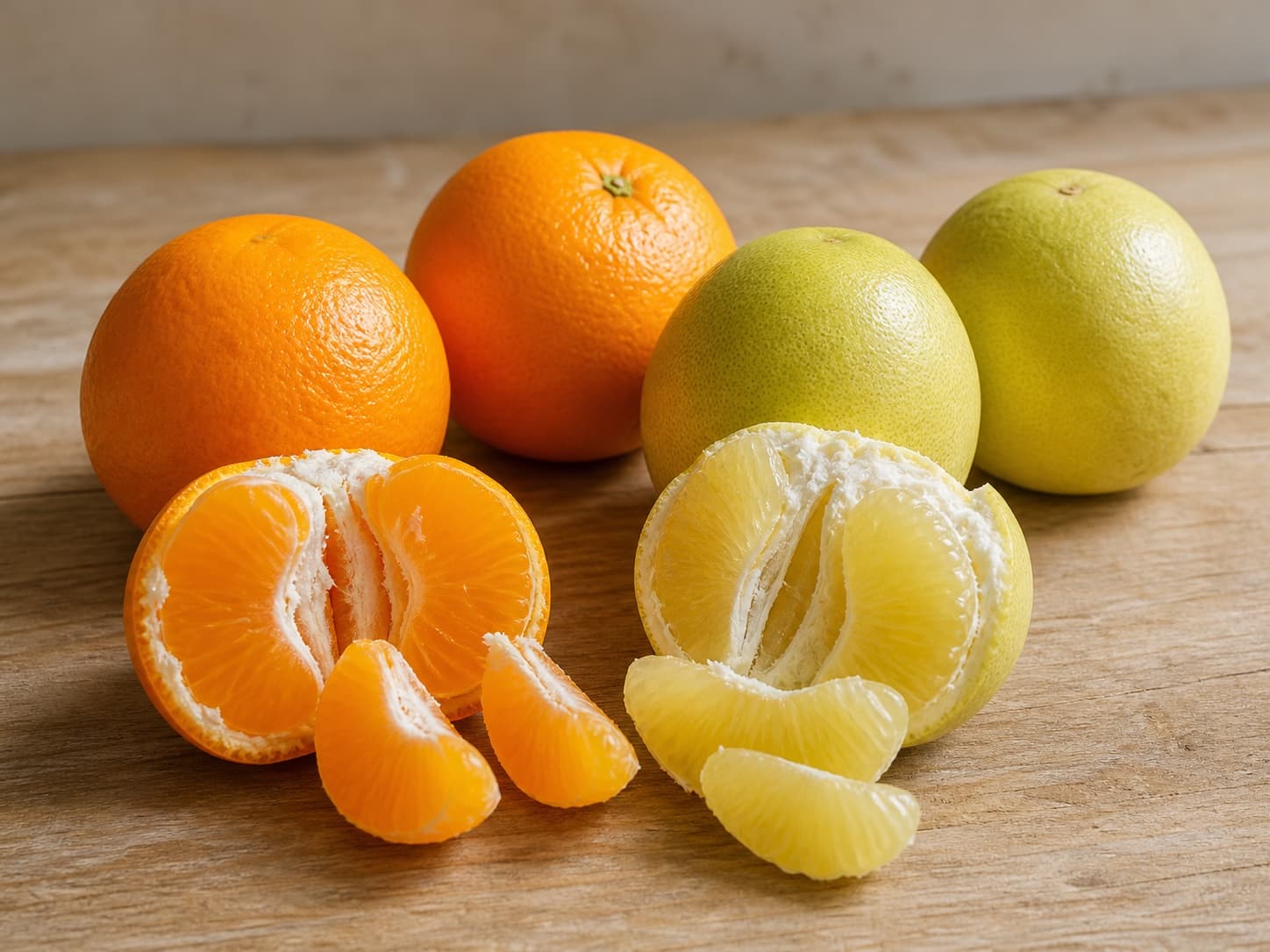
Oranges and Sweet Lime
Our guide to adapting Indian meals for better health has more on building these into everyday cooking.
When to drink, not just how much
- Start the day with a full glass of warm water, before your tea and before anything else. You lose a fair amount of water overnight.
- Sip a little fifteen to twenty minutes before meals rather than gulping large amounts during them.
- Small, frequent sips are easier on the stomach and better absorbed than an occasional big glass.
- Have most of your fluids earlier in the day and ease off by early evening. This keeps you well hydrated while cutting down on night-time bathroom trips, which is a real worry for many and also helps you sleep better.
- Always take a few sips of water with your medicines. A steady daily routine makes all of this easier to remember.
How much is enough?
The old rule of eight glasses a day is only a rough guide. For most seniors in Bangalore, aim for around one and a half to two litres of total fluid a day, counting water, buttermilk, soup, and water-rich foods together. You will need a little more in the warmer months, and more if you take water tablets or live with diabetes, since both increase fluid loss. If your doctor has asked you to limit fluids for a heart or kidney condition, always follow that advice instead.
The simplest check of all is your urine. Pale yellow means you are doing well. Dark yellow means drink more.
Frequently asked questions
I hardly ever feel thirsty. Does that mean I do not need much water?
No. Thirst becomes an unreliable signal as we age, so you can be low on water and feel no thirst at all. Drink to a gentle routine through the day rather than waiting until you feel thirsty, and use the colour of your urine as your guide.
I avoid drinking in the evening so I do not have to get up at night. Is that wrong?
The instinct is understandable, but drinking too little is risky. The better approach is to have most of your fluids earlier in the day and taper off by early evening. You stay well hydrated and still reduce night-time trips. Our guide to sleep problems in seniors covers this balance.
Can dehydration really cause confusion?
Yes. Low water can leave you foggy, irritable, or confused, and this is sometimes mistaken for a memory problem. If confusion comes on suddenly, dehydration is one of the first things worth ruling out.
Could my medicines be making this worse?
They can. Water tablets, laxatives, and some diabetes medicines increase fluid loss. Never change a medicine on your own, but if you keep getting dehydrated, it is worth asking your doctor, and keeping a clear list of your medicines helps that conversation.
Is plain water the only thing that counts?
Not at all. Buttermilk, coconut water, rasam, clear soups, and water-rich foods like cucumber and curd all count towards your daily fluids, and many people find them far easier to enjoy than plain water.
A gentle next step
Dehydration is one of those rare health problems that is almost entirely preventable with a little attention and habit. In Bangalore's mild but sometimes deceptively dry weather, staying well hydrated is one of the simplest, most powerful things you can do for your health. Start with one change today: the bottle on the side table, the buttermilk after lunch, a glance at the colour each morning.
If your appetite or eating has changed, or you would like a plan that fits your health and your medicines, Kareverse nutrition counselling is ₹800 per session and ends with a practical plan your cook can follow. And if you would like a fuller picture first, a Kare@home Assessment Visit is a good place to begin. For ₹999, a Care Manager visits at home and checks health, medicines, mobility, home safety, nutrition, and hydration, then sends the family a Family Report within 48 hours.