

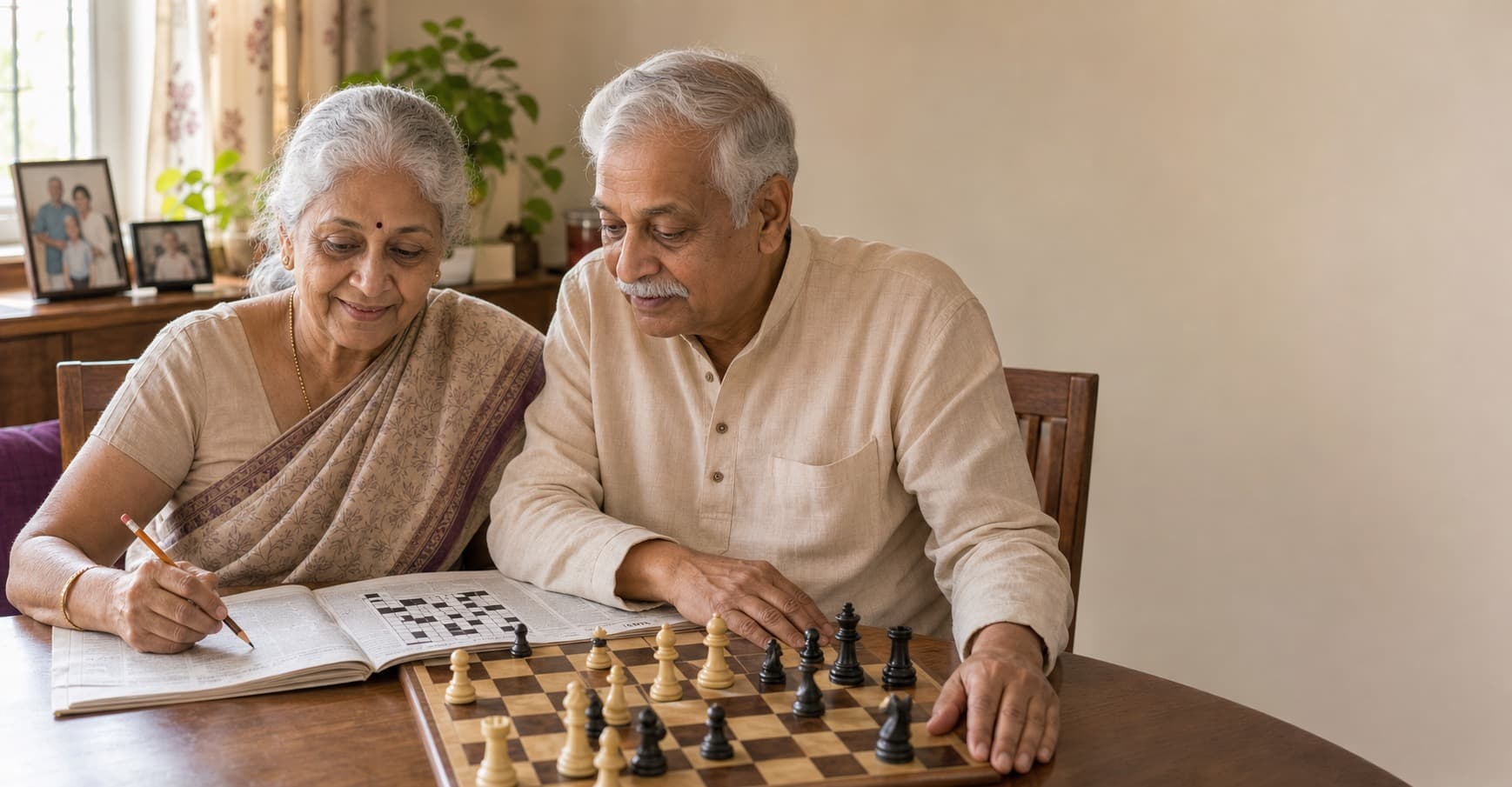
Your father used to read the newspaper cover to cover every morning. Now it sits folded on the table until evening. Your mother, who once ran the whole household budget in her head, seems a little fuzzy about dates and appointments. It is nothing dramatic. Just a quiet drift.
Here is the reassuring part. A slower mind is not an unavoidable part of getting older, and staying mentally active is one of the most powerful things a senior can do for themselves. The brain keeps its ability to form new connections well into our 80s and 90s. What your parents do with their hours matters just as much for the mind as what they eat or how far they walk. This is a guide to keeping a healthy mind sharp, the active ageing way.
A quick note before we start. This blog is about staying sharp and building habits, not about diagnosing a problem. If you are actually noticing persistent memory loss that disrupts daily life, that is a different situation, and our guide on cognitive decline in elderly parents covers when to see a doctor.
Why staying mentally active works
Researchers talk about cognitive reserve, the resilience the brain builds up through a lifetime of learning and mental activity. People who keep their minds active tend to stay sharper for longer, and the deposits made in your 60s, 70s, and 80s still count. Think of it as a savings account for the mind that never closes.
The evidence points in a consistent direction: older adults who keep up a varied mix of mentally stimulating activities tend to hold on to their memory and thinking skills better than those with more passive routines. Variety seems to matter as much as effort. The message is simple. Your parents' brains do well on regular, enjoyable workouts. Not stress, not pressure, just steady engagement they actually look forward to.
Puzzles and games: the classics still work
You do not need fancy apps or expensive gadgets. The simplest, most familiar games are still some of the best daily workouts a mind can get.

Sudoku
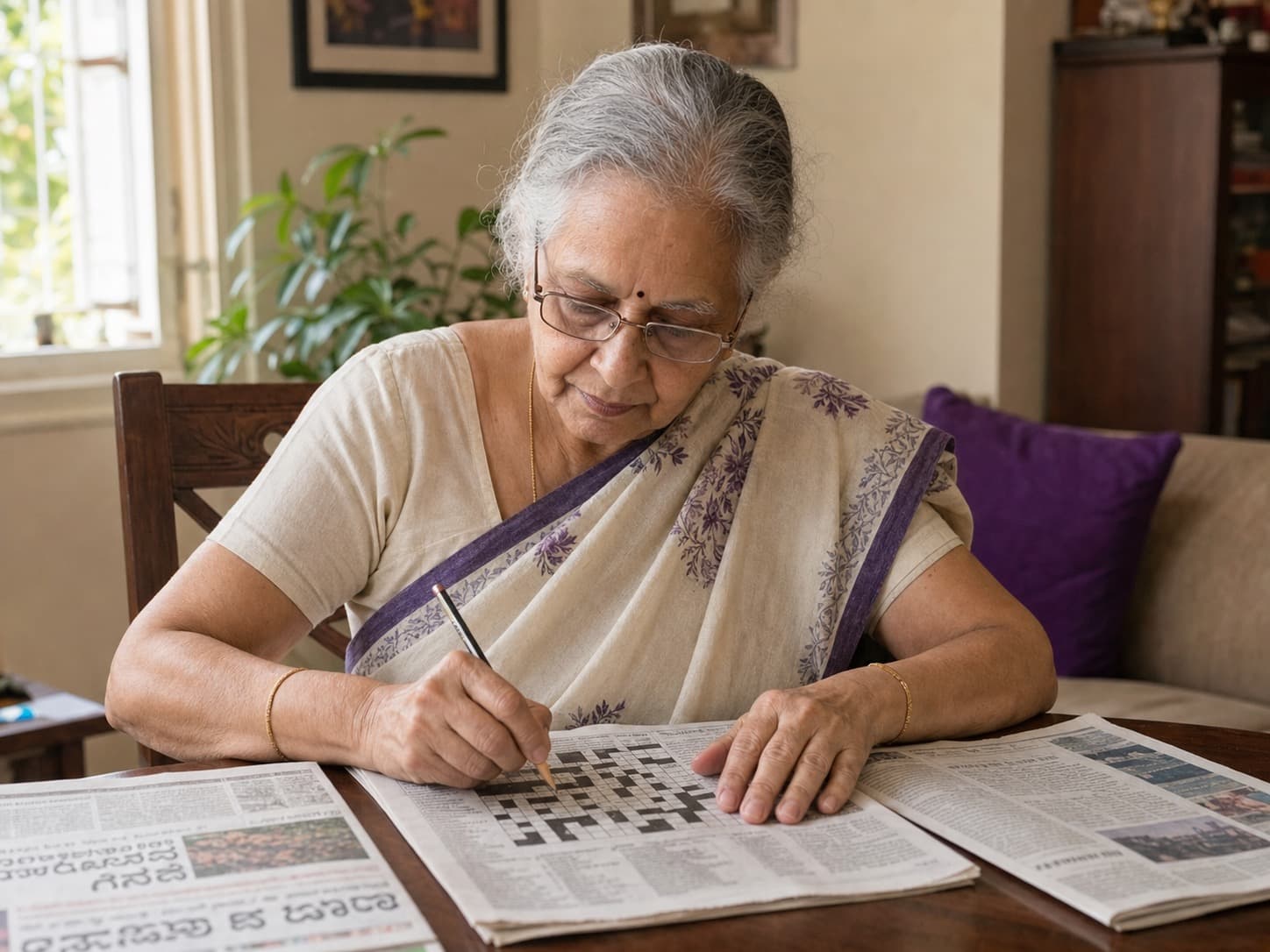
Crosswords
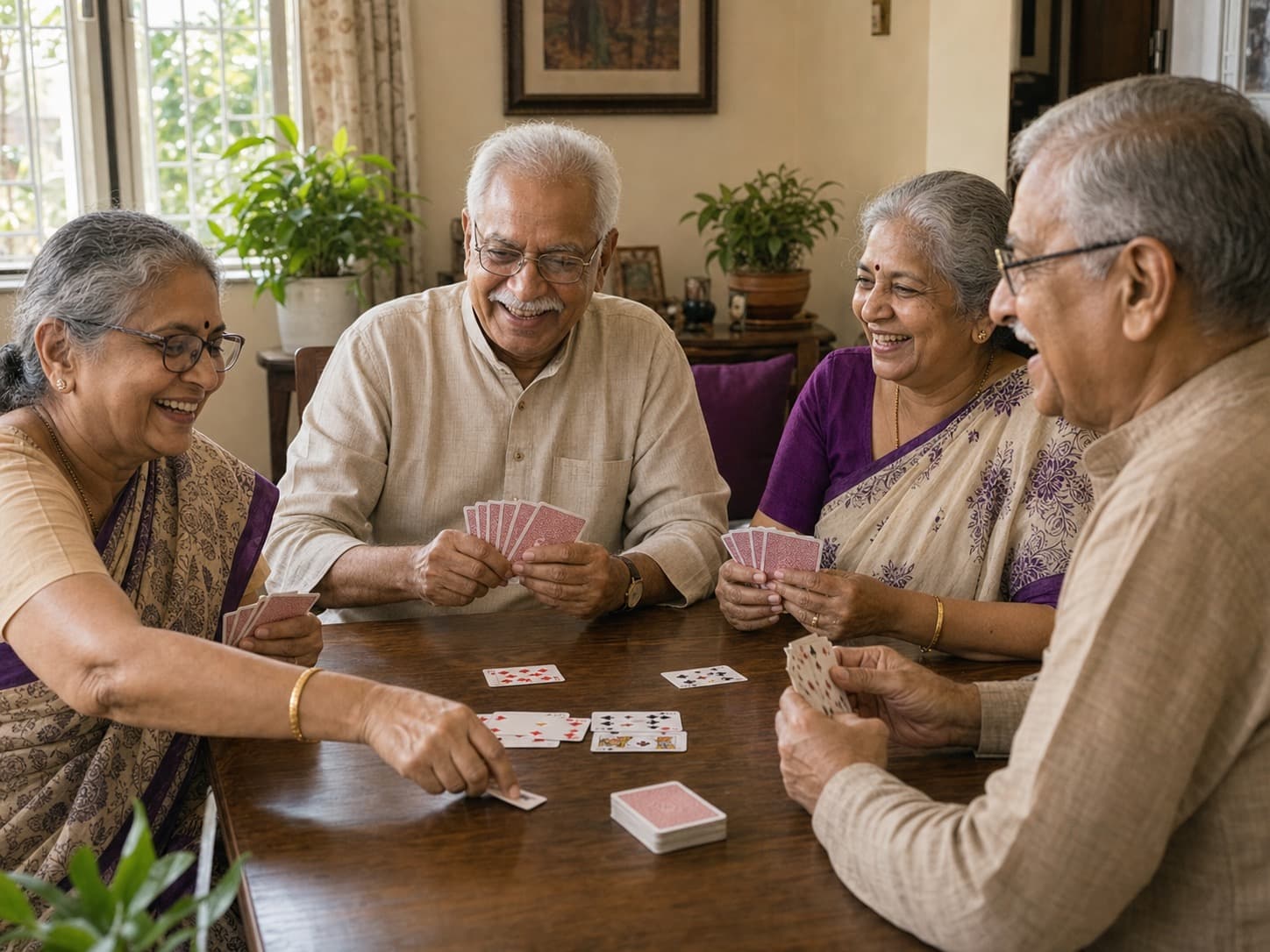
Card Games
Reading: more than a pastime
Reading is one of the richest brain activities available. It draws on language, imagination, empathy, and memory all at once.
For seniors whose eyesight is fading, audiobooks are a wonderful alternative, with growing collections in Kannada, Hindi, and English. Several libraries around Jayanagar, Malleswaram, and Koramangala keep audio collections too.
Reading groups add a social layer that doubles the benefit. Discussing a book forces the brain to recall, analyse, and put thoughts into words, which is three good exercises in one. A number of apartment communities in Whitefield and HSR Layout run informal book clubs that happily welcome older members.
It also helps to encourage variety. If your mother has read only romance novels for forty years, slip her a historical biography. If your father sticks to non-fiction, hand him a collection of R.K. Narayan stories. A little novelty is exactly what challenges the brain.
Learning something new: never too late
This is where the most encouraging research points. Learning something genuinely new, rather than repeating what you already know well, is what builds fresh connections. A few ideas that work beautifully for seniors:
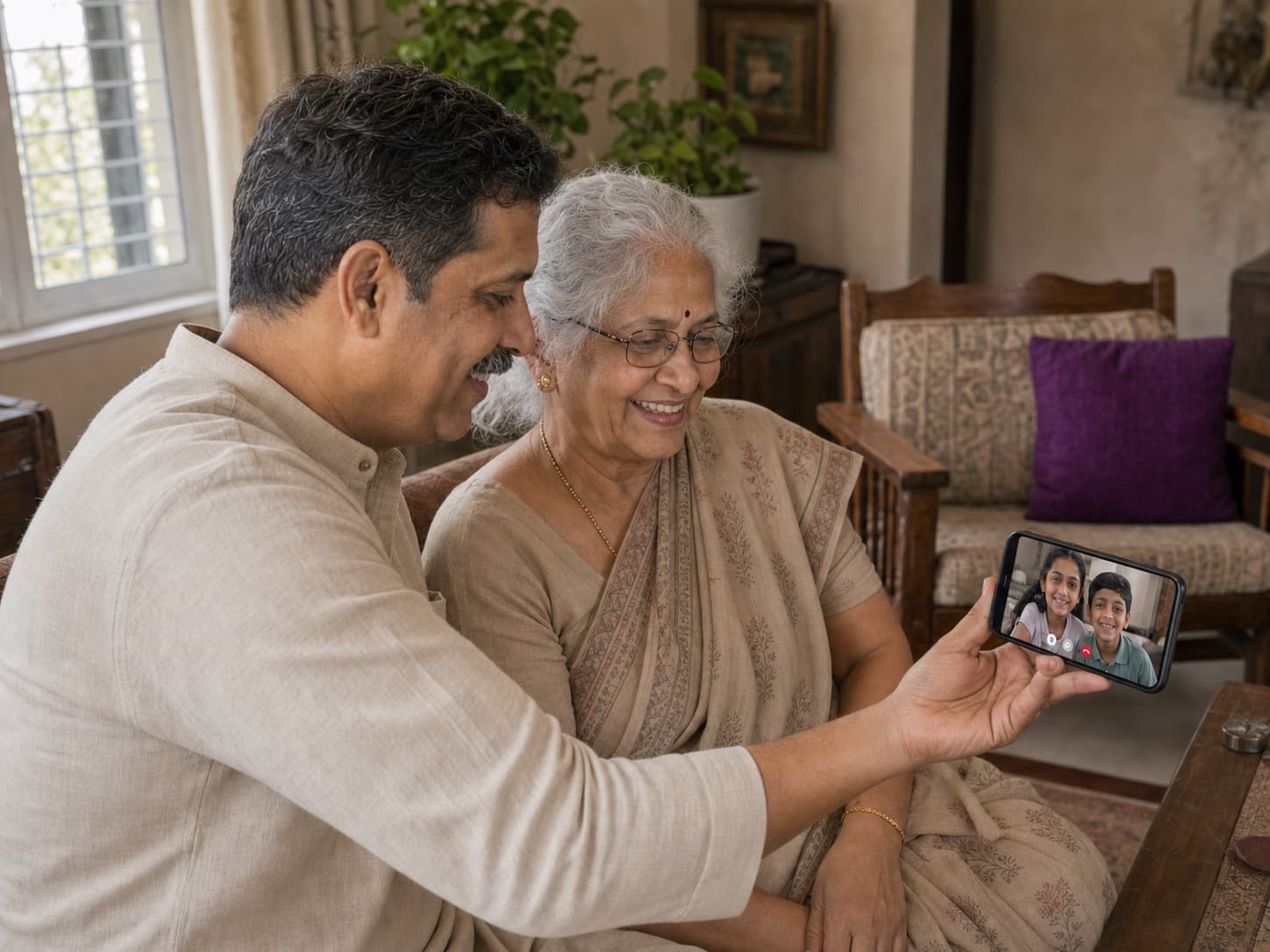
Digital Confidence
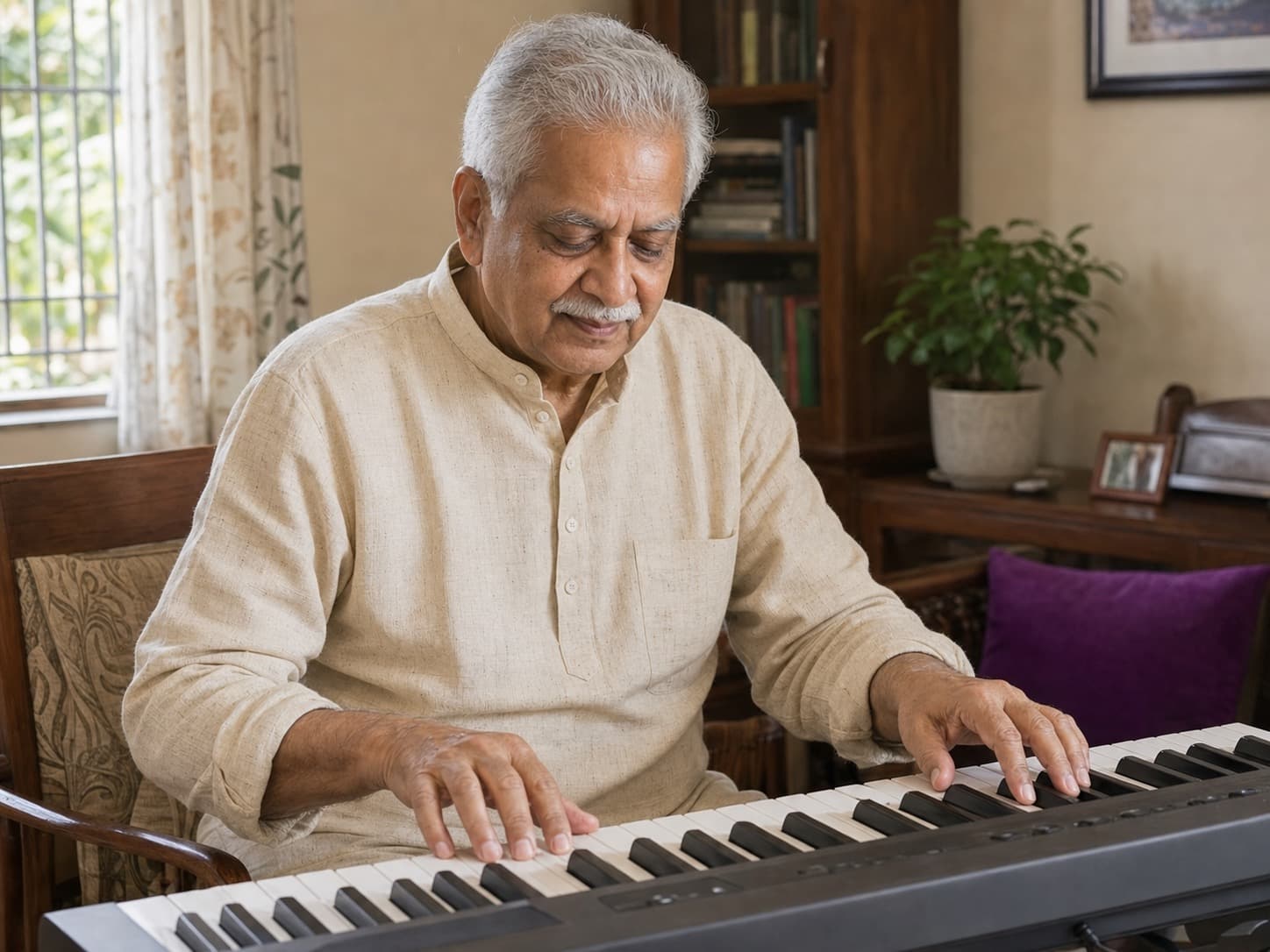
A Musical Instrument

A New Cuisine
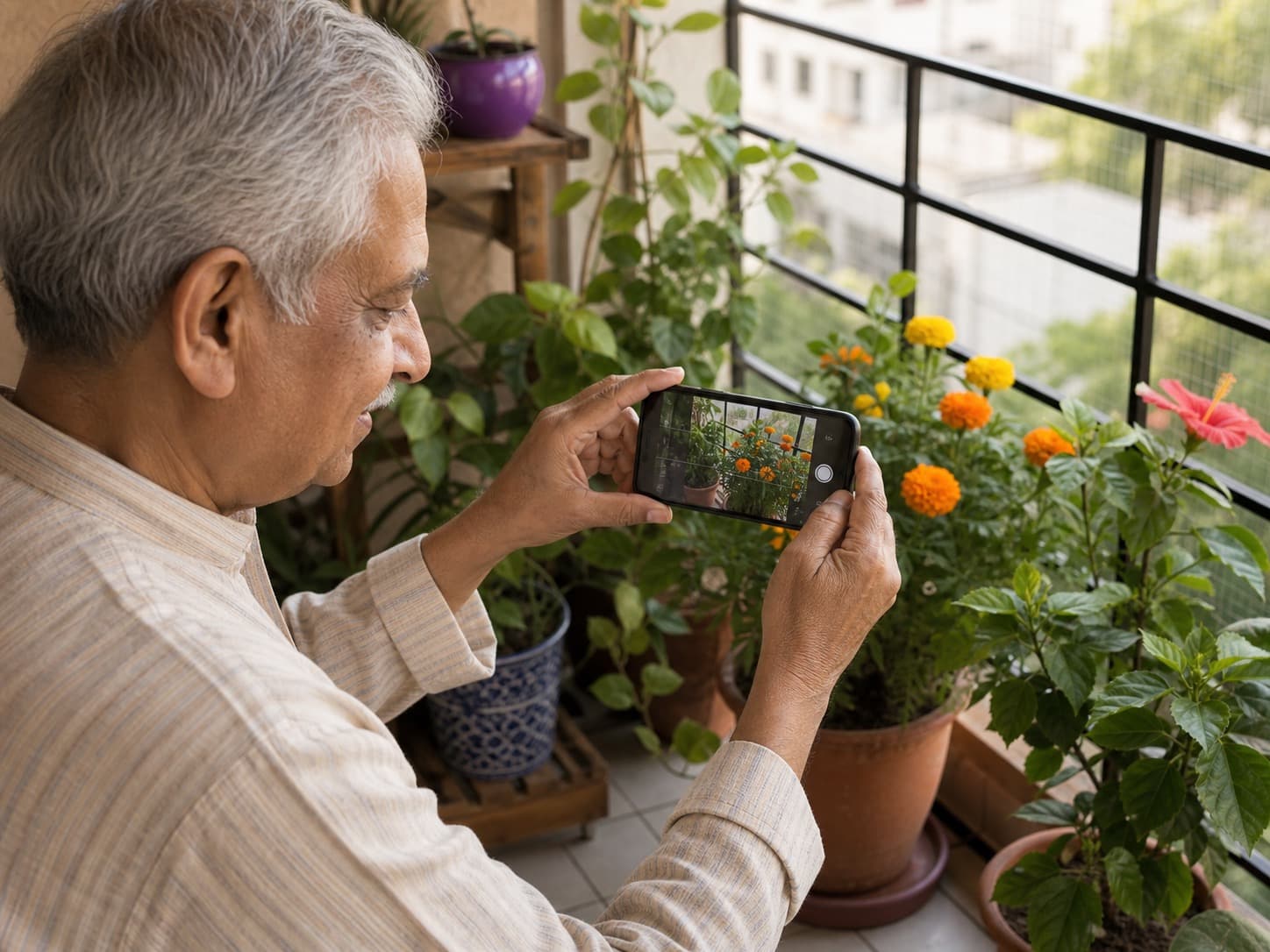
Smartphone Photography
Teaching grandchildren: a beautiful exchange
Here is an underrated brain booster: letting your parents teach their grandchildren. Explaining something takes deeper thought than simply knowing it. When your father teaches his granddaughter chess, his mind is strategising, anticipating her questions, and recalling the rules all at once. When your mother passes down a family recipe, she is drawing on long memory, sequence, and storytelling.
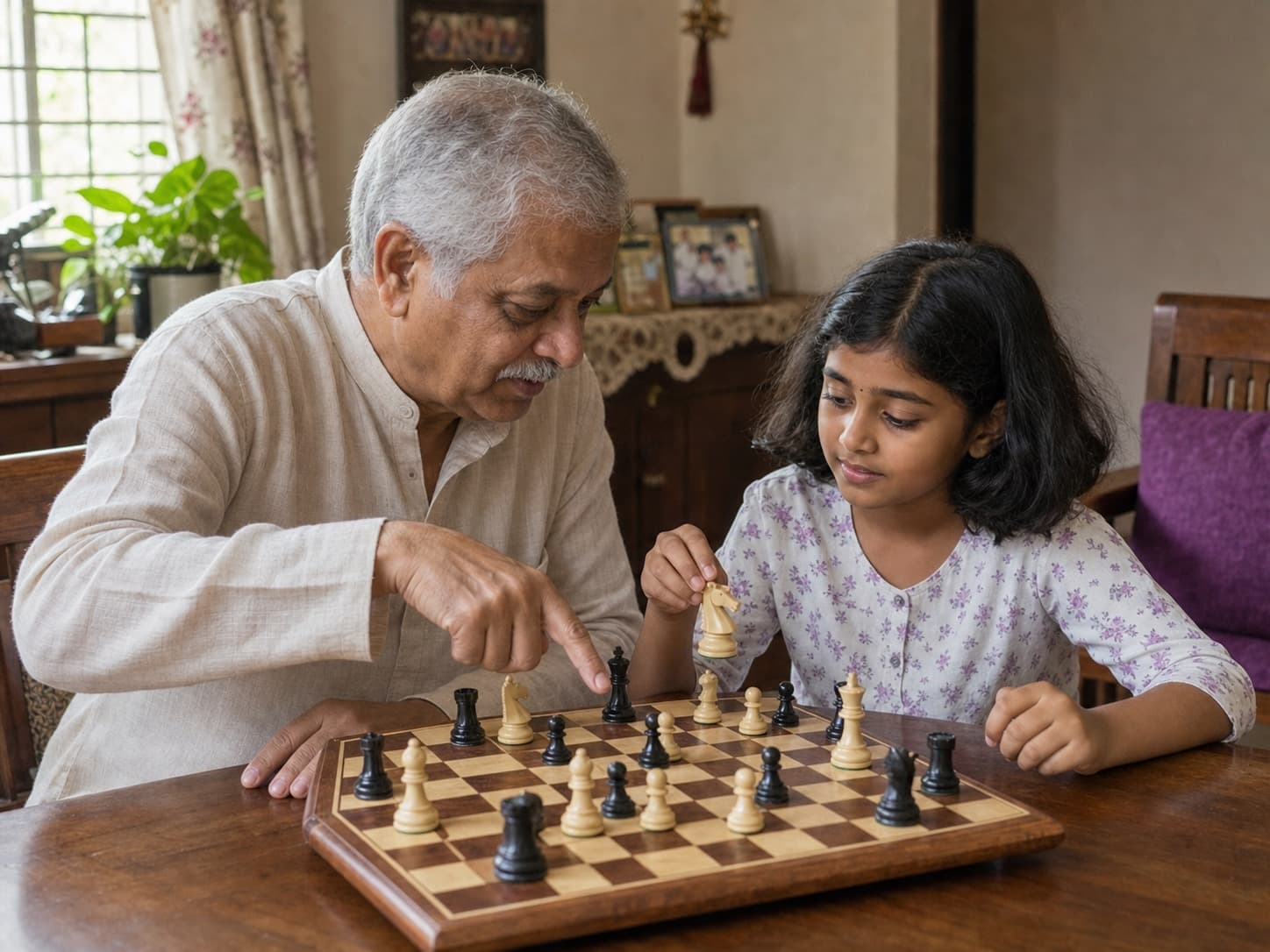
Grandparent Teaches Grandchild
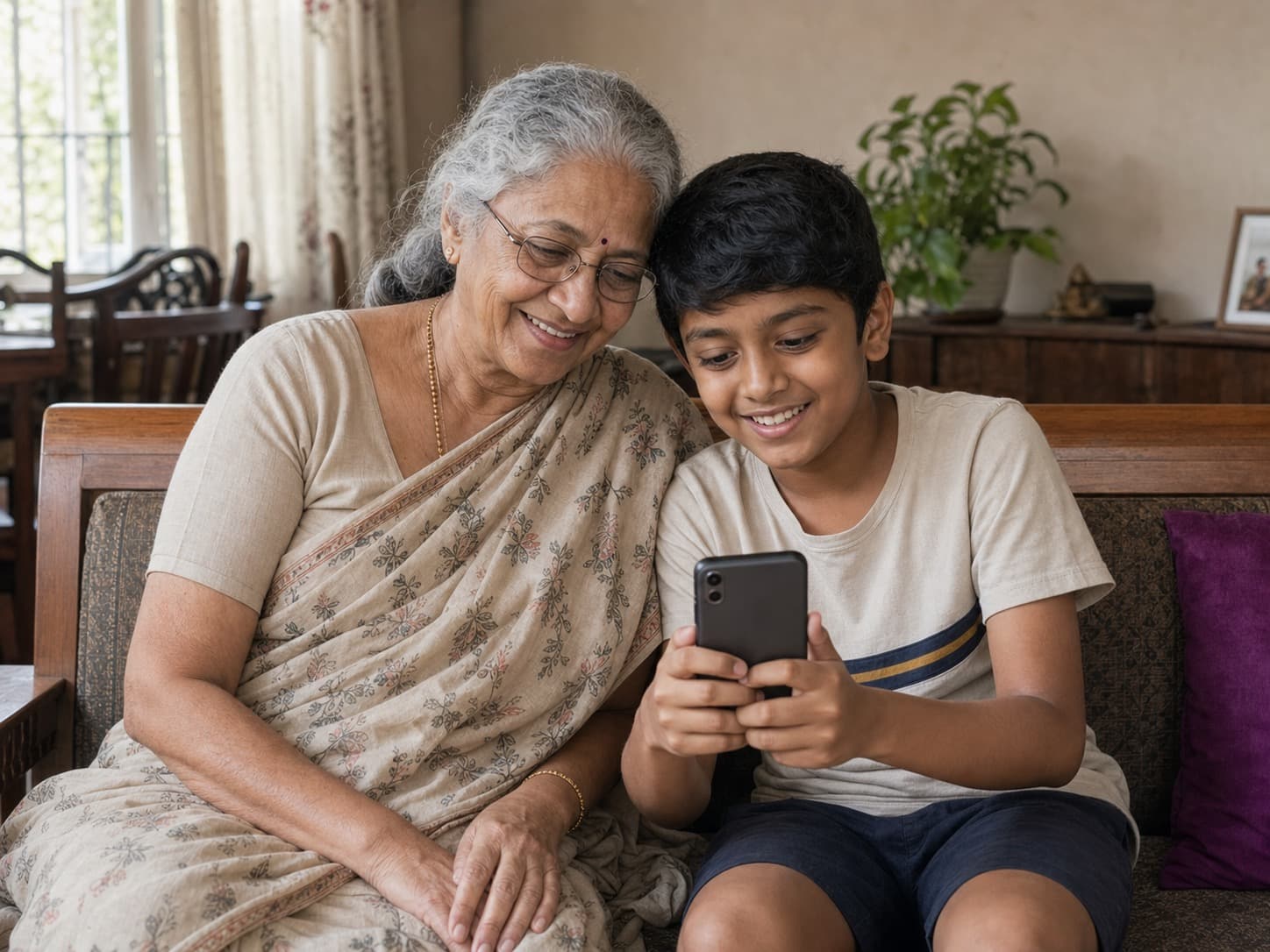
Grandchild Teaches Grandparent
The exchange runs both ways, which is even better. Grandchildren love teaching grandparents how to send a WhatsApp sticker or play an online game, and this gentle reverse tutoring asks seniors to pay attention, practise, and remember steps. Just as importantly, the bond it builds eases loneliness, which is itself a strain on the aging mind.
Regular little rituals help. Sunday chess with grandpa, a Wednesday cooking session with grandma. Structure is what turns a nice idea into a steady habit.
Matching the activity to the person
One size does not fit all. The best mental activity is simply the one your parent will actually do.
- For the social ones: card groups, book clubs, morning walking groups at Lalbagh or Cubbon Park, bhajan sessions, light volunteering.
- For the quiet thinkers: crosswords, Sudoku, jigsaw puzzles, reading, and journaling.
- For the creative ones: rangoli, knitting, painting, cooking experiments, and gardening, which quietly involves planning and learning about new plants.
- For the analytical ones: chess, strategy games, learning the basics of a spreadsheet, or following cricket statistics.
- For the spiritually inclined: studying scriptures in any language, attending discourses, learning shlokas or hymns, and meditation.
Movement feeds the mind too. Gentle physical activity improves blood flow and mood, both of which support clear thinking, so pairing a mental habit with something like yoga for seniors at home works better than either alone.
Consistency beats complexity
If you take away one thing, let it be this. Thirty enjoyable minutes a day does more good than an occasional marathon session. A predictable rhythm, the newspaper puzzle after breakfast, a chapter after lunch, a phone call in the evening, is what makes any of this stick. Our guide on building a steady daily routine for elderly parents is a good place to weave these habits in. Good sleep matters just as much, since a tired brain struggles to focus and remember, which is why sleep problems in seniors are worth sorting out alongside all of this.
How a caretaker can help
If your parent has a caretaker at home, a little briefing turns them into a quiet ally in all of this. A good caretaker can set out the newspaper and the puzzle page each morning, gently prompt a video call with the grandchildren, walk your parent to a hobby group nearby, help set up an audiobook, and join in a simple card game during the afternoon. None of this is clinical work. It is the steady encouragement that keeps a mind active on the days when motivation dips, and it is easily built into daily support.
Frequently asked questions
Do brain-training apps actually help, or are they a gimmick?
They can help with the specific skill you practise, but variety matters more than any single app. A mix of reading, real conversation, a new hobby, and social time protects the mind better than drilling one game. Treat apps as one item on the menu, not the whole meal.
My parent has always been very private and resists group activities. What can I do?
Play to their nature rather than against it. A quiet thinker may take happily to crosswords, jigsaw puzzles, reading, or journaling at home, and there is no need to push them toward a club. The best activity is the one they will genuinely enjoy and repeat.
How is this different from worrying about dementia?
This blog is about staying sharp and building healthy habits, which everyone benefits from. Worrying about dementia is about noticing warning signs such as persistent memory loss that disrupts daily life. If that is what you are seeing, our guide on cognitive decline in elderly parents explains when it is time to see a doctor.
My father lives alone and I live abroad. How do I keep him mentally engaged from a distance?
Build in regular contact and shared activities you can do over video, such as a weekly game, reading the same book, or simply a proper conversation rather than a two-minute check-in. A home caretaker or a Care Manager can encourage daily engagement on the ground and let you know how he is really doing.
Can a home visit assess how engaged my parent actually is?
Yes. A wellness assessment looks at daily routine, mood, social contact, and mental engagement alongside physical health, and it can suggest specific activities matched to your parent's interests and abilities.
A gentle next step
Keeping the mind sharp is not about grand projects. It is about small, enjoyable habits repeated often, and a bit of company to keep them going. Start with one thing this week: the puzzle page by the morning chai, a book club invitation, a standing chess date with a grandchild.
If you would like a clearer picture of where your parent stands, a Kare@home Assessment Visit is ₹999. A Care Manager visits at home and reviews health, medicines, mobility, home safety, daily routine, and mental engagement, then sends the family a Family Report within 48 hours. From there, if your parent would benefit from daily support and gentle encouragement, a caretaker from ₹1,100 a day can help make these good habits part of everyday life.