

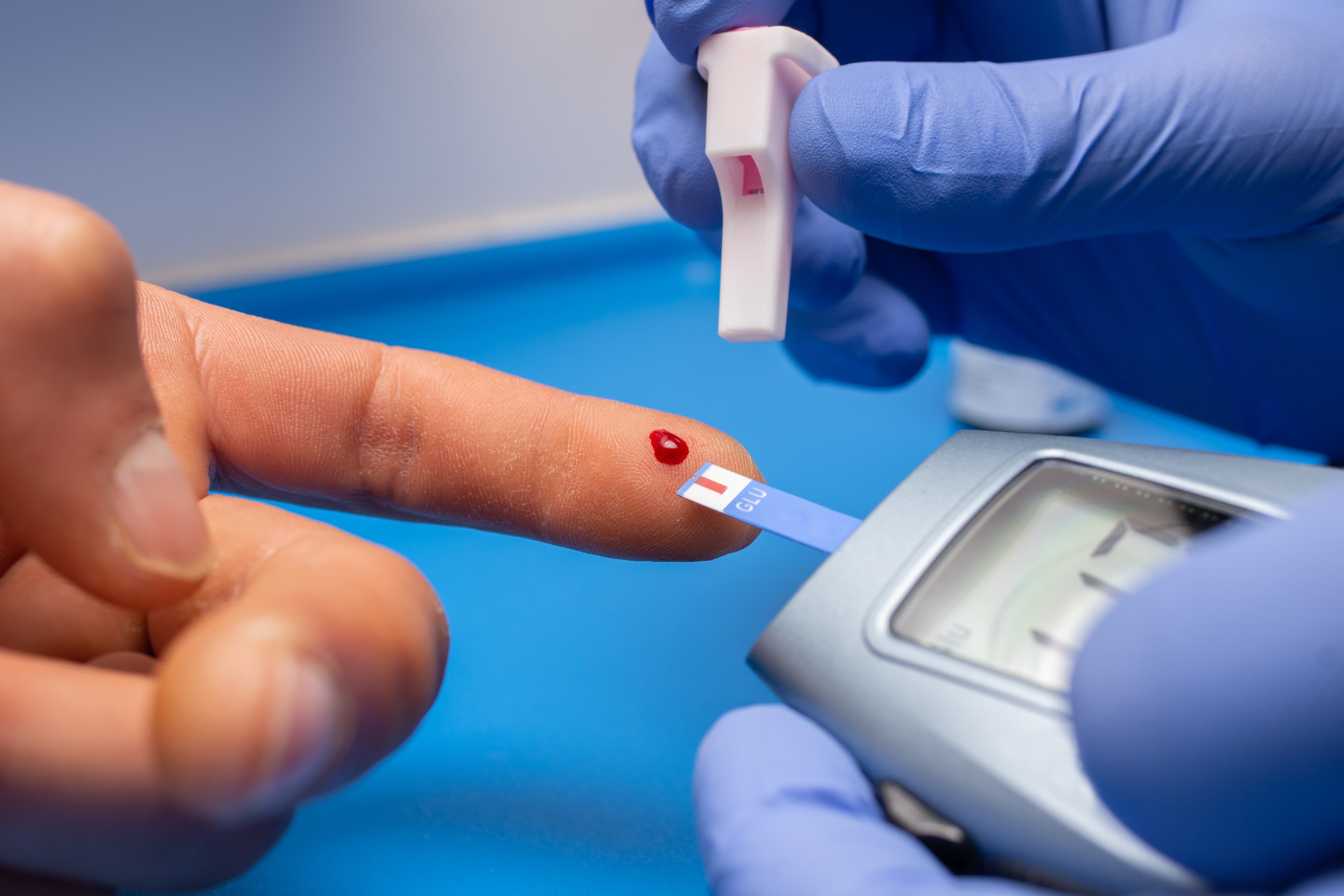
Managing diabetes in elderly parents requires consistent monitoring, dietary adjustments, medication adherence, and regular medical check-ups. Diabetes is highly prevalent among older Indians, and families need practical strategies to help their parents maintain stable blood sugar levels while preserving their quality of life. This guide covers diet planning for South Indian cuisine, medication compliance systems, diabetic foot care, HbA1c testing schedules, and how to connect with qualified endocrinologists across Bangalore.
Understanding Diabetes in Elderly Indians
Diabetes is one of the most common chronic conditions affecting older adults in India, with tens of millions of people living with the condition nationwide according to the International Diabetes Federation. Prevalence rises sharply with age due to reduced insulin sensitivity, decreased physical activity, and genetic predisposition common among South Asian populations.
Elderly diabetics face unique challenges. They are more vulnerable to hypoglycemia (dangerously low blood sugar), often have multiple coexisting conditions like hypertension and heart disease, and may experience cognitive decline affecting their ability to self-manage. The Research Society for Study of Diabetes in India (RSSDI) recommends individualised treatment goals for seniors, with HbA1c targets typically relaxed to 7-8% for those with multiple health issues.
Key Risks for Elderly Diabetics
- Hypoglycemia unawareness: Older adults may not experience warning symptoms when blood sugar drops dangerously low
- Medication interactions: Multiple prescriptions increase the risk of adverse drug interactions
- Cognitive impairment: Memory issues can lead to missed doses or double-dosing
- Reduced mobility: Limited physical activity affects glucose metabolism
Diet Management: South Indian Food Modifications
Diet is the cornerstone of diabetes management, and this can be challenging when your parent is accustomed to traditional South Indian cuisine. Many South Indian foods can be adapted for diabetic-friendly eating without sacrificing flavour.
Smart Carbohydrate Swaps
Replace white rice with lower glycemic index alternatives. Brown rice has a GI of 50 compared to white rice's 73. Better options include:
- Foxtail millet (navane): GI of 38, works well for upma and pongal
- Little millet (samai): GI of 42, suitable for replacing rice
- Ragi (finger millet): High in calcium and fibre, excellent for rotis
- Broken wheat (dalia): GI of 41, ideal for upma and khichdi
Meal Timing and Portion Control
The RSSDI recommends frequent smaller meals instead of three large ones. A practical schedule includes breakfast at 7:30 AM, a mid-morning snack, lunch at 1:00 PM, an afternoon snack, dinner at 7:30 PM, and a bedtime snack. This prevents blood sugar spikes and reduces hypoglycemia risk.
Foods to Limit
- Deep fried items like vadas and bajjis
- Coconut-heavy preparations and rich gravies
- Sweetened beverages and fruit juices
- Refined flour products and maida-based snacks
- High-sugar fruits like mangoes and bananas in large quantities
Practical Cooking Modifications
Use dry tempering methods instead of oil-heavy preparations. Steam or bake instead of frying. Add fenugreek seeds (methi) to dals and doughs — research shows they help lower blood glucose. Include plenty of fibre-rich vegetables like drumstick, beans, and leafy greens.
Medication Compliance: Ensuring Your Parent Takes Their Doses
Medication non-compliance is a major issue in elderly diabetes management. A significant proportion of elderly diabetic patients struggle with adherence, leading to uncontrolled blood sugar and increased complication risk.
Common Barriers to Compliance
Complex regimens with multiple medications at different times create confusion. Memory issues cause patients to forget whether a dose was taken. Some seniors skip doses to save money. Fear of hypoglycemia leads to intentional under-dosing.
Practical Solutions for Families
Pill organisers: Weekly pill boxes with compartments help visualise the schedule. Keep them in a visible location like the dining table.
Medication charts: Create a simple chart listing each medicine, its purpose, and timing.
Phone reminders: Set daily alarms on your parent's phone or a basic alarm clock.
Family check-ins: A daily WhatsApp call at medication time serves as both reminder and social connection.
Recognising Missed Doses
Watch for blood sugar readings consistently higher than expected, medications running out before expected dates, confusion about what each medicine is for, and unexplained symptoms like excessive thirst or frequent urination.
Diabetic Foot Care: Prevention Saves Limbs
Foot complications are among the most serious consequences of diabetes. A meaningful share of people with diabetes will develop a foot ulcer in their lifetime, and for elderly patients with reduced sensation and slower healing, prevention is critical.
Daily Foot Care Routine
Your parent should inspect both feet daily for cuts, blisters, redness, or swelling. Use a mirror for the soles if bending is difficult. Wash with lukewarm water — test temperature with the elbow as foot sensation may be reduced. Dry thoroughly, especially between toes.
Footwear Guidelines
Never walk barefoot, even at home. Wear well-fitting shoes with closed toes. Check inside shoes before wearing for foreign objects. Wear clean, dry socks made of natural fibres. Replace worn-out footwear promptly.
Warning Signs Requiring Immediate Medical Attention
Any cut, blister, or sore that does not heal within a few days requires attention. Redness, warmth, or swelling in any part of the foot, black or discoloured skin, foul odour from a wound, or fever accompanying a foot problem all warrant immediate medical care.
The Karnataka Institute of Endocrinology and Research in Indiranagar offers dedicated diabetic foot care, including screening, wound care, and podiatry services.
HbA1c Testing: How Often and What the Numbers Mean
The HbA1c test measures average blood sugar over the past 2-3 months and is the gold standard for assessing diabetes control. For elderly patients, understanding testing frequency and target ranges is essential.
Testing Frequency Guidelines
Newly diagnosed patients or those with treatment changes should test every 3 months. Well-controlled patients on stable treatment can test every 6 months. Poorly controlled patients should test every 3 months until stable.
Age-Appropriate Targets
Unlike younger adults who aim for HbA1c below 7%, elderly patients benefit from relaxed targets to avoid hypoglycemia. Healthy elderly with few other conditions should target below 7.5%. Those with multiple health issues should aim for 7.5–8%. Frail elderly or those with dementia may have targets up to 8.5%.
Where to Test in Bangalore
HbA1c tests are widely available in Bangalore. Major diagnostic chains such as Thyrocare, Metropolis, Orange Health, and Apollo 24|7 offer home sample collection, and most hospital labs provide same-day results. Prices typically fall in a few-hundred-rupee range, so it's worth comparing current rates before booking. No fasting is required.
Finding the Right Endocrinologist in Bangalore
While general physicians can manage stable diabetes, elderly patients with complex conditions benefit from endocrinologist care. Bangalore has several excellent options across different neighbourhoods.
Notable Diabetes Care Centres
Manipal Hospitals runs endocrinology services at several branches across Bangalore and offers a multidisciplinary team approach to diabetes management.
Apollo Sugar Clinics operates multiple locations in Bangalore, combining endocrinology with nutrition counselling and digital tracking tools.
Karnataka Institute of Endocrinology and Research (KIER), in Indiranagar, is a government-supported specialised institute focused on diabetes and related care, including endocrinology, podiatry, and patient education.
Fortis Hospitals has endocrinology teams at its Bangalore branches with advanced diagnostic facilities and emergency support.
Questions to Ask at the First Visit
Ask what a realistic HbA1c target is for your parent's age and health condition. Understand how often blood sugar should be monitored at home. Learn warning signs of high or low blood sugar and ask about medication interactions.
When You Cannot Be There: How Care Managers Help
For NRI children and busy local families, ensuring consistent diabetes care can be stressful. A dedicated Care Manager who visits your parent at home can bridge this gap.
A Care Manager can monitor medication compliance by checking pill organisers and observing routines. They can accompany your parent to medical appointments, ensuring questions are asked. They track vital signs between doctor visits, coordinate HbA1c testing, and observe for warning signs like appetite changes that might indicate blood sugar issues.
After each visit, you receive a detailed Family Report via WhatsApp documenting your parent's condition, medications, any concerns, and follow-up actions needed. This keeps you informed and involved in your parent's care, even from thousands of miles away.
Frequently Asked Questions
What is a safe blood sugar range for elderly diabetics?
For most elderly diabetics, fasting blood sugar between 100–140 mg/dL and post-meal readings below 180 mg/dL are considered acceptable. Targets should be individualised based on overall health and hypoglycemia risk. Frail elderly patients may have more relaxed targets to prevent dangerous low blood sugar episodes.
How can I help my parent reduce their diabetes medication?
Never reduce or stop diabetes medication without consulting a doctor. Lifestyle improvements can sometimes lead to reduced medication needs. Focus on gradual weight loss if overweight, increased physical activity as appropriate, and consistent dietary recommendations. Improved control should be verified through HbA1c testing before any medication changes.
What are the warning signs that my parent's diabetes is not well controlled?
Watch for excessive thirst and urination, unexplained weight loss, fatigue, blurred vision, slow-healing wounds, frequent infections, and numbness or tingling in hands and feet. If HbA1c is consistently above target or random blood sugar readings are frequently above 200 mg/dL, schedule an endocrinologist consultation.
Is it safe for elderly diabetics to fast for religious purposes?
Fasting can be dangerous for elderly diabetics, especially those on insulin or sulfonylurea medications. If your parent wishes to fast, consult their endocrinologist at least 2-3 weeks in advance. The doctor may adjust medication timing and doses, recommend modified fasting options, or advise against fasting based on their health status.
How often should elderly diabetics get eye and kidney screenings?
The RSSDI recommends comprehensive eye examinations annually for all diabetic patients, or more frequently if retinopathy is present. Kidney function tests should also be done annually, or every 6 months if kidney disease is detected. These screenings are essential as diabetic retinopathy and nephropathy often have no symptoms in early stages.
Managing diabetes in elderly parents requires consistent attention to diet, medication, monitoring, and preventive care. Whether you live in Bangalore or abroad, having a trusted Care Manager who visits your parent regularly provides the oversight needed to keep their diabetes well-controlled. At Kareverse, our Care Managers specialise in supporting elderly diabetics across Bangalore, from Whitefield to Jayanagar, ensuring your parent receives the consistent care they deserve. Call or WhatsApp +91 90355 54540 to learn how we can support your family.