


When an older parent starts eating less, families look everywhere except the obvious place. They worry about appetite, about mood, about some hidden illness. They rarely think to ask their parent to open their mouth. And yet one of the commonest reasons an older person quietly stops enjoying food is simply that eating has started to hurt, a sore tooth, a loose denture that rubs, tender gums, a dry mouth that makes swallowing hard.
The mouth is one of the most neglected parts of an older parent's health. It is easy to forget, awkward to ask about, and impossible to see on a video call. But problems there ripple outward fast. A parent who cannot chew comfortably switches to soft, easy foods, eats less, and slowly loses weight and nutrition. An untreated gum or tooth infection is a source of pain and can affect wider health. And a sore, embarrassing mouth is one more reason a parent smiles less and pulls back from meals and company. Good oral care is not about vanity; it is about keeping a parent eating, comfortable, and well.
This guide looks at what goes wrong with an ageing mouth, the signs a family can catch, and the simple, dignified ways to help, even from far away.
Why older mouths need more care, not less
Several changes make dental trouble more likely, and more consequential, with age.
Years of wear leave teeth cracked, worn, or lost, and gums recede, exposing the sensitive roots. Saliva, which naturally protects the mouth, often reduces with age and, very commonly, as a side effect of the many medicines older people take, so the mouth becomes dry, which speeds up decay and makes dentures rub. Dentures themselves loosen over the years as the gums beneath them change shape, so a set that fit well a decade ago may now slip, click, and sore the gums. And a parent with stiff hands, poor eyesight, or memory trouble may simply not be brushing as well as they once did, so problems build up unseen.
For a parent with diabetes, gum disease and mouth infections matter more and can be harder to control, and the two feed each other, so an ageing mouth in a diabetic parent deserves particular attention.
What actually goes wrong
Most mouth trouble in older parents comes down to a handful of ordinary problems that are easy to miss until eating becomes difficult.
Tooth decay and broken teeth cause pain on chewing, so a parent avoids the side that hurts, or avoids hard foods altogether. Gum disease, red, swollen, or bleeding gums, is common, often painless at first, and can loosen otherwise healthy teeth. Ill-fitting dentures rub the gums raw, click when eating, and get left out, so meals shrink to what can be managed without them. Dry mouth makes chewing and swallowing genuinely uncomfortable and accelerates decay. Mouth ulcers, thrush, or infections make eating sore. And any lump, patch, or sore in the mouth that does not heal within a couple of weeks should always be shown to a dentist or doctor, rather than ignored.
None of these looks dramatic from the outside. Together, and left alone, they are enough to change how, and how much, a parent eats.
The signs to watch for, even from abroad
Because parents rarely complain about their mouth, and may be embarrassed to, families need to read the indirect signs.
- They are eating less, or leaving harder foods and quietly switching to soft, easy things.
- They are chewing on one side, wincing, or taking a long time over a meal.
- They have taken their dentures out and stopped wearing them, or the dentures click and slip.
- Their breath has changed, or you notice bleeding when they brush.
- They are losing weight without an obvious reason, our guide on nutrition for elderly parents covers how easily this creeps up.
- They complain of a dry mouth, or you notice they sip water constantly to get food down, worth reading alongside our guide on dehydration in seniors.
- They smile or talk less, or cover their mouth, out of embarrassment.
A gentle, direct request helps: ask them to show you their teeth or their dentures on a call, or ask whoever is with them to take a proper look. It is not intrusive, and it is one of the more useful things you can check.
Simple, everyday ways to help
Most mouth problems in older parents are kept at bay by a few consistent habits, plus regular professional care. These are safe daily basics; any pain, bleeding, loose tooth, or sore that does not heal needs a dentist.
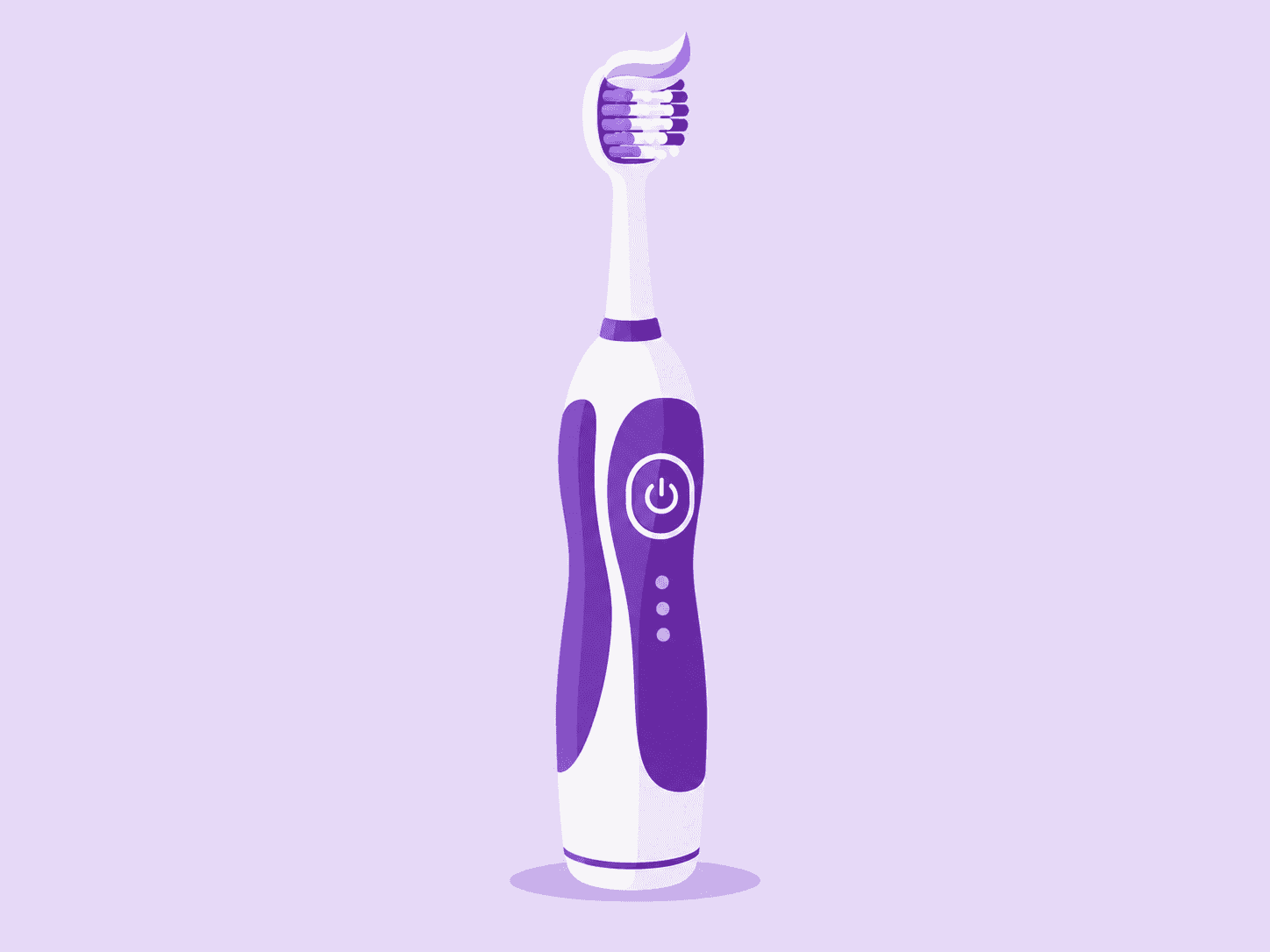
Brush Twice a Day, Gently
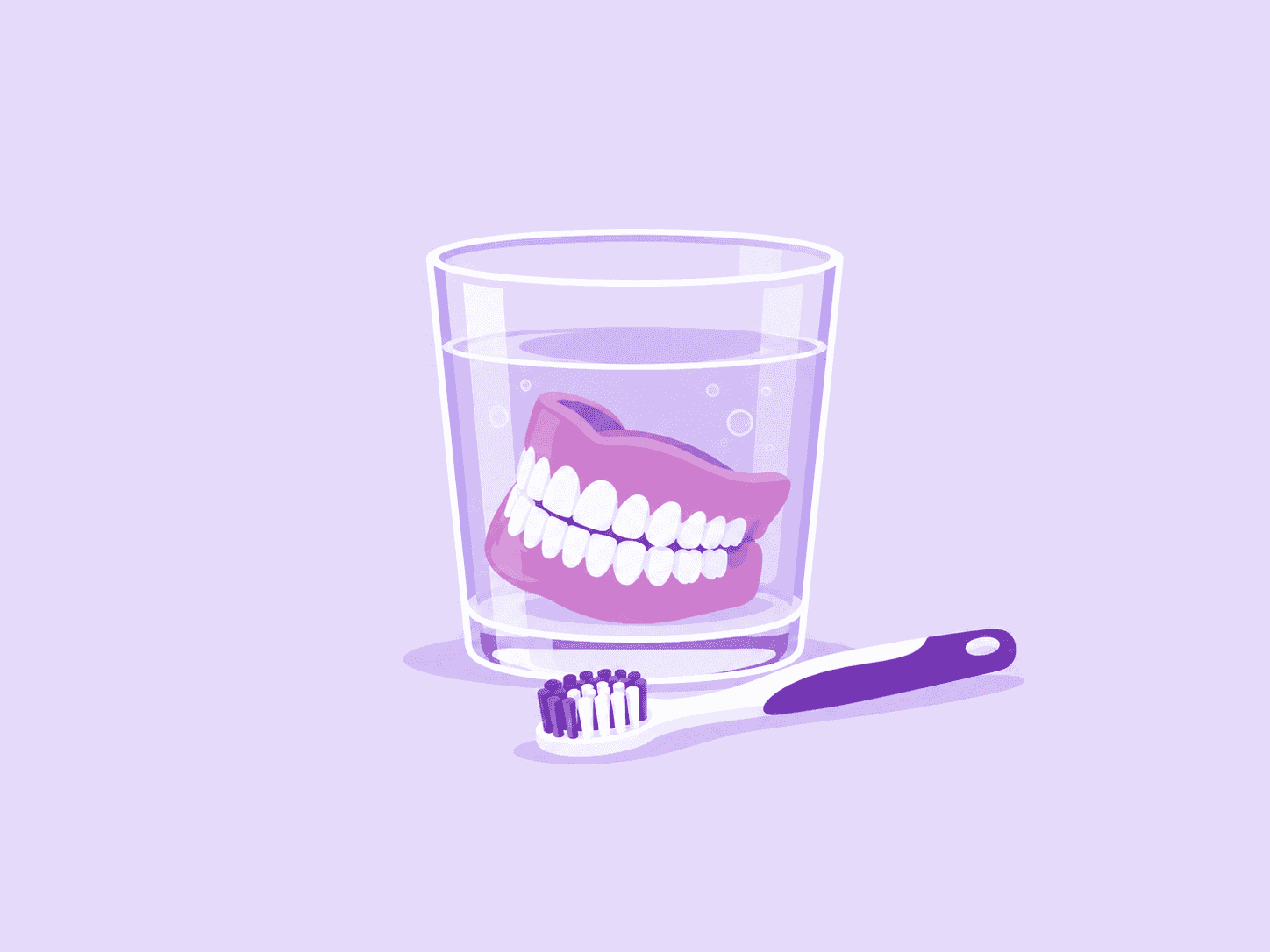
Care for Dentures Properly

Keep the Mouth Moist
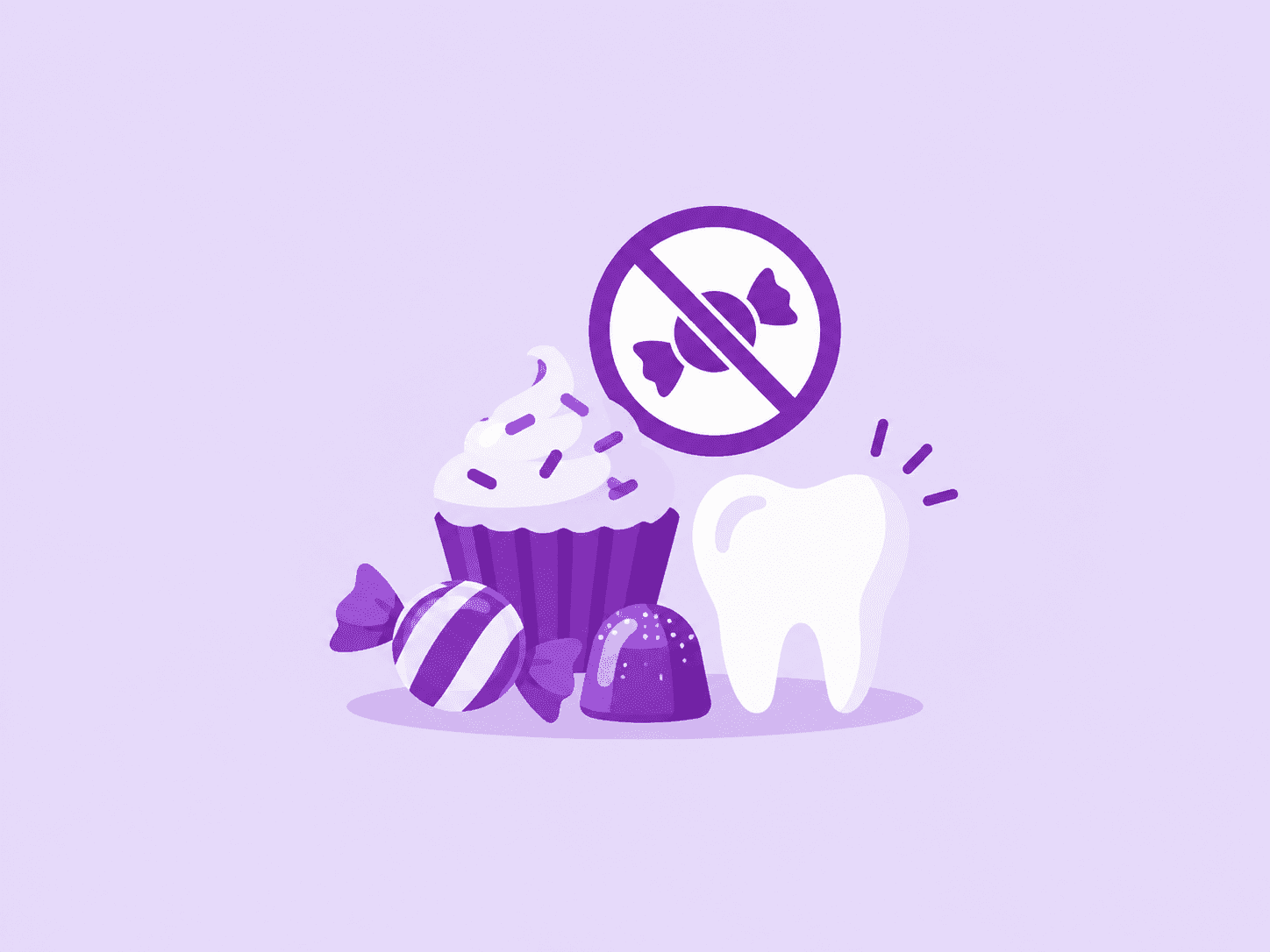
Watch Sugary, Sticky Foods

See a Dentist Regularly

Do Not Ignore the Unusual
A gentle caution: families and parents sometimes try to fix a loose denture at home with glue or padding, or leave a painful tooth for months hoping it settles. A denture that rubs can cause persistent sores, and a neglected tooth or gum infection rarely improves on its own. The safe path is a dentist, and these are usually simple, quick problems to put right once seen.
Comfortable eating and good nutrition go hand in hand, so once the mouth is sorted, keeping meals appealing matters, our guide to nutrition and Indian meals for elderly parents has practical ideas.
How a Care Manager and caretaker help
This is a small, practical area where regular presence changes everything, because the mouth is exactly the sort of thing a distant family cannot see. A caretaker who is with your parent through the day is the person who actually notices, the dentures left out, the wincing at dinner, the meals getting smaller and softer. Their role is to help with the daily brushing and denture care, encourage regular meals, and report changes, less eating, a new soreness, before it turns into weeks of quiet weight loss.
A Care Manager brings it together. Because they know your parent, they notice when eating has changed, arrange a dentist for a painful tooth, bleeding gums, or a denture that needs adjusting, and keep you informed without you having to quiz your parent from abroad. Where poor eating has already started to affect their nutrition and weight, nutrition counselling can help rebuild appealing, easy-to-eat meals that keep a parent nourished.
Frequently asked questions
Why does my parent's mouth matter so much for their overall health?
Because a sore, uncomfortable mouth quietly changes how, and how much, a parent eats. Chewing on a painful tooth or a rubbing denture is unpleasant, so they switch to soft, easy foods, eat less, and slowly lose weight and nutrition. Untreated gum and tooth infections are also a source of pain and can affect wider health. Keeping the mouth comfortable keeps a parent eating well.
My parent's dentures have gone loose. Is that normal, and what should we do?
Dentures loosening over the years is common, because the gums beneath them change shape. It is not something to simply endure, loose dentures rub, click, and put a parent off eating. A dentist can usually adjust, reline, or replace them. Avoid home fixes like glue, which can cause sores; see a dentist instead.
How do I even check when I live abroad?
Ask your parent to show you their teeth and dentures on a video call, or ask whoever is with them to take a proper look. Watch for indirect signs too, eating less, chewing on one side, dentures left out, weight quietly dropping. A caretaker or Care Manager on the ground can check daily and tell you when a dentist is needed.
My parent has diabetes. Does that change anything?
Yes. Gum disease and mouth infections are more common and harder to control with diabetes, and the two influence each other. A parent with diabetes benefits from particularly regular dental care and prompt attention to any gum or tooth trouble, rather than letting it linger.
When should we see a dentist rather than wait?
Promptly, for any tooth pain, bleeding or swollen gums, a loose tooth, a denture that rubs or no longer fits, or a mouth ulcer, lump, or sore that has not healed in two weeks. Regular check-ups every six months to a year are worth keeping even when nothing hurts, because they catch problems early.
A simple next step
The mouth is easy to overlook and quick to cause trouble, and it is one of the more fixable things once someone is paying attention. If your parent seems to be eating less, avoiding certain foods, or leaving their dentures out, and you are not sure why, a Kare@home Assessment Visit is a good place to start. For ₹999, a Care Manager visits at home and reviews health, eating, and daily routine, the mouth included, then sends the family a Family Report within 48 hours. From there, a dentist can sort out what needs attention, a caretaker can keep the daily brushing and denture care going, and nutrition counselling can help get your parent enjoying their meals again.