

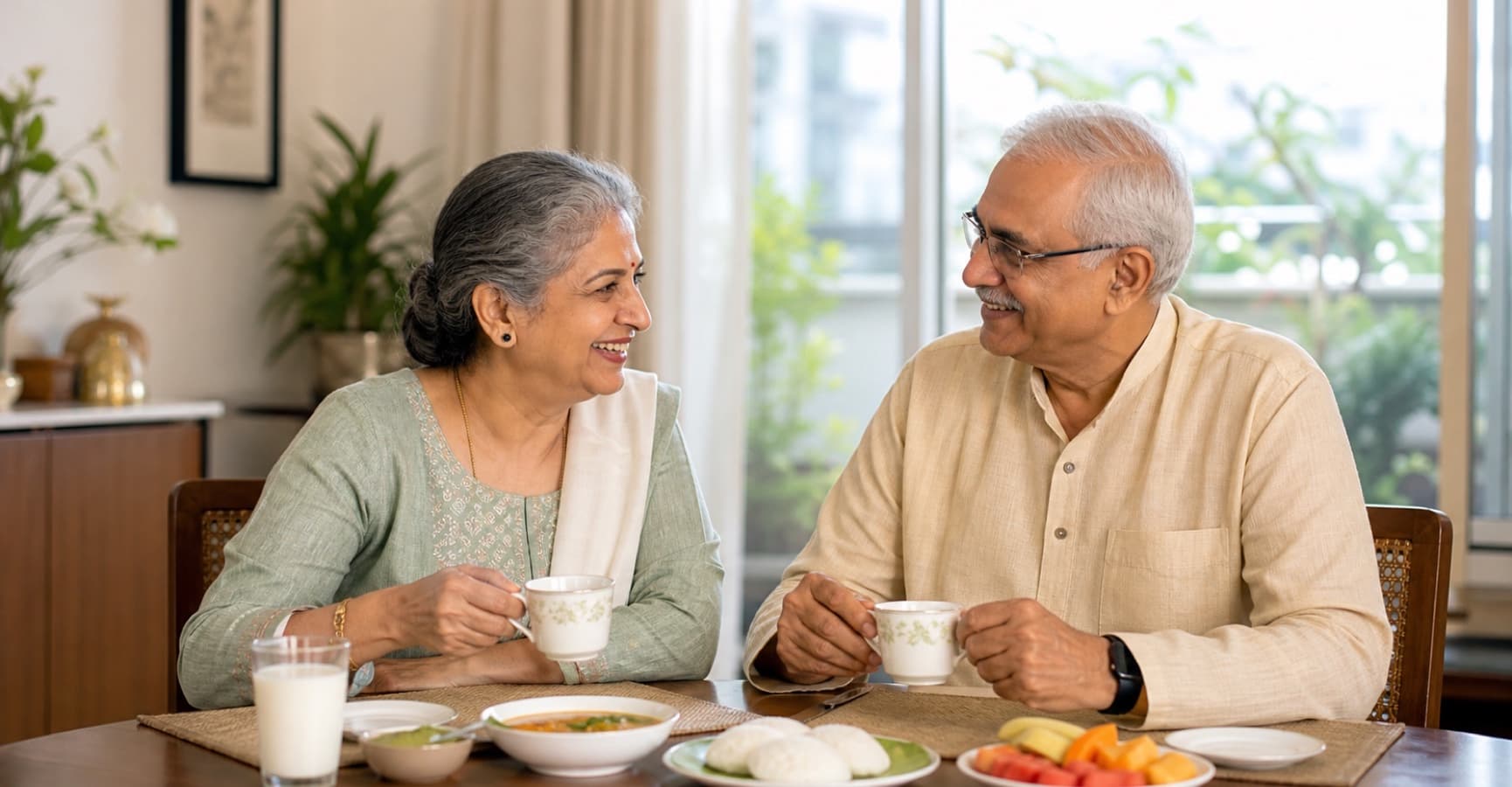
Your mother has been more forgetful lately. She misplaces her spectacles, loses the thread of a conversation, complains that her feet feel strange, like pins and needles that will not settle. You start to worry about the word no family wants to say out loud. Dementia.
Then a simple blood test comes back, and it turns out to be something far more ordinary, and far more fixable. Her vitamin B12 is low.
This happens more often than most families realise. B12 deficiency is quietly common in older Indians, especially in vegetarian households, and it can imitate some of the most frightening conditions of old age. The good news is that once it is found, it is usually straightforward to treat. The hard part is thinking of it in the first place.
Why B12 matters so much as we age
Vitamin B12 does two big jobs in the body. It keeps nerves working properly, and it helps make healthy red blood cells. When it runs low over months and years, both of those systems begin to falter. Nerves misfire, so the hands and feet tingle or go numb. Blood cells do not form well, so the body tires easily. And because B12 also supports the brain, low levels can cloud memory, mood, and concentration.
What makes it tricky is that all of this creeps in slowly. There is no single dramatic day when it goes wrong. A parent simply becomes a little more tired, a little more forgetful, a little less steady, and everyone assumes it is just age. That assumption is exactly the trap.
Why older parents are especially at risk
Two things stack up with age. First, the stomach makes less of the acid and the special protein needed to absorb B12 from food. So even a parent who eats reasonably well may absorb far less than they did at forty. Second, many Indian families eat little or no meat, fish, or eggs, and B12 comes almost entirely from animal foods. Dairy helps, but it is often not enough on its own.
A few other things raise the risk further:
- Long-term acidity medicines. Some tablets taken for years to control acidity or reflux reduce stomach acid, which the body needs to release B12 from food. If your parent has been on these for a long time, mention it to the doctor.
- Diabetes medicines. One very common diabetes tablet, taken over many years, can lower B12 absorption in some people. This does not mean stopping it, only that B12 is worth checking.
- A purely vegetarian or vegan diet with no dairy, or very little of it.
- Digestive conditions or past stomach surgery that affect absorption.
None of these are reasons to panic or to change medicines on your own. They are simply reasons to test.
The signs worth noticing
B12 deficiency wears many disguises. Any one of these on its own might mean nothing. Several together are worth a conversation with a doctor.
- Tiredness and weakness that rest does not fix
- Tingling, numbness, or a burning feeling in the hands or feet
- Unsteadiness on the feet, or a sense of walking on cotton wool
- Forgetfulness, confusion, or low mood that seems new
- A sore or smooth, red tongue, or mouth ulcers
- Pale skin, breathlessness on mild effort, or a racing heart
- Poor appetite and mild weight loss
The reason this matters so much is the overlap with dementia. A parent who is forgetful and unsteady can look, on the surface, like the early stages of cognitive decline. But some of that can be reversed if it is caused by low B12 and caught in time. That is a very different future from the one families fear. If memory is your main worry, it is worth reading our guide to cognitive decline in elderly parents alongside this one, so you know which signs point where.
Where B12 actually comes from
For most Indian families, the practical question is simple. If B12 comes from animal foods, and my parent eats mostly vegetarian, where do they get it? Here is what actually helps, from the most everyday sources to the ones you may need to seek out.

Milk, Curd, and Paneer

Eggs
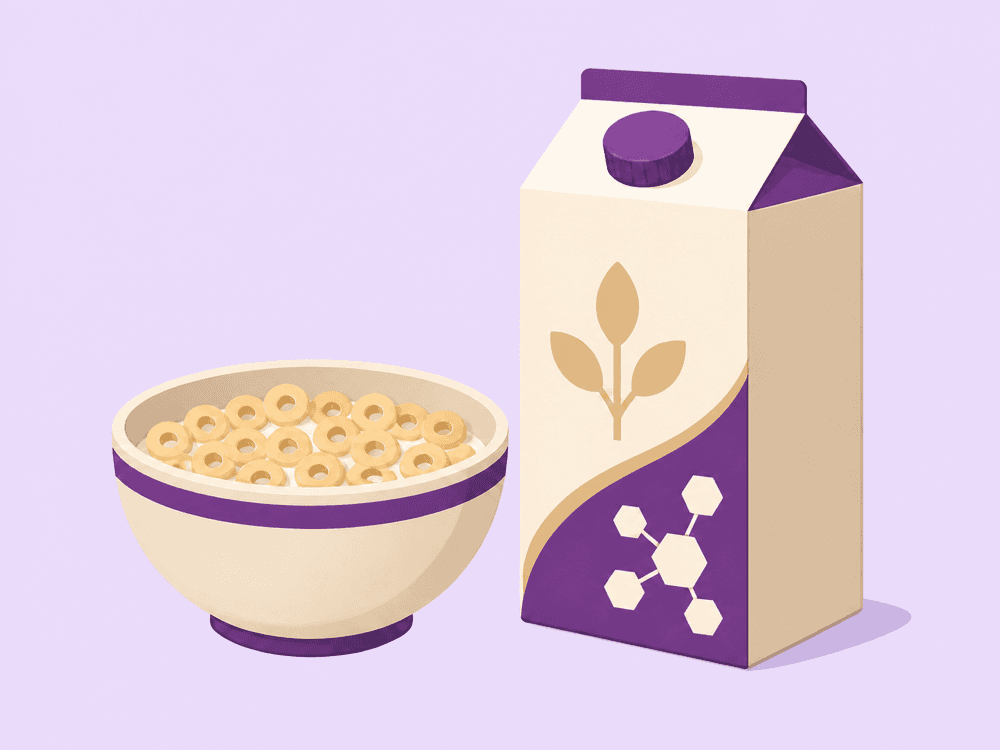
Fortified Foods

Fish

Chicken and Meat

When Food Is Not Enough
A word of honesty here. Many older parents, however well they eat, simply cannot absorb enough B12 from food anymore. For them, diet keeps things from getting worse, but it is a supplement or injection, prescribed and monitored by a doctor, that actually restores the level. Food and treatment work together. One is not a substitute for the other.
The one test that settles it
You do not have to guess. A simple blood test measures the B12 level, and doctors will often check related markers at the same time to get a fuller picture. It is inexpensive, widely available in Bangalore, and needs no special preparation beyond what the lab advises.
If the level is low, the doctor decides what comes next based on how low it is and what is causing it. That might be a course of B12 injections, then tablets to maintain the level, along with a look at any medicines that could be contributing. What matters is that the plan is medical. B12 sounds harmless, but the dose, the form, and how long to continue all depend on your parent's own results and health. This is exactly the kind of thing a doctor consultation is for.
Getting it checked when you live far away
If you are abroad, this is one of those small, specific tasks that is hard to arrange from a distance. You cannot see the tiredness on a video call. Your parent may brush it off as nothing. And even if a test is done, someone local needs to take them to the lab, collect the report, and sit with the doctor to understand the plan.
This is where having someone on the ground makes all the difference. At Kareverse, a Care Manager can accompany your parent to the doctor, note down exactly what was said, make sure the blood test is done, and send the report and the plan back to you. A caretaker at home can then quietly do the daily part that keeps it on track: reminding your parent to take the tablet, noticing whether appetite and energy are improving, and reporting back. To be clear, a caretaker reminds, observes, and reports. The prescribing and the clinical decisions stay with the doctor and, where needed, the nurse.
Good nutrition is the other half of the answer, and it is easier said than done for a parent who has lost interest in food. A practical, senior-friendly Indian meal plan can bring B12-rich foods back into everyday meals without turning eating into a chore.
Frequently asked questions
Can B12 deficiency really cause memory problems?
Yes. Low B12 can cause forgetfulness, confusion, and low mood that can look like early dementia. The important difference is that when memory trouble is caused by low B12 and caught early, some of it can improve with treatment. That is why a B12 test is one of the first sensible steps when a parent becomes newly forgetful. Our guide to cognitive decline explains what else to look for.
My parent is vegetarian. Are they definitely deficient?
Not definitely, but the risk is higher. A vegetarian parent who has plenty of milk, curd, and paneer every day may be fine. One who eats little dairy, or whose body no longer absorbs B12 well, is more likely to run low. A single blood test tells you clearly, rather than guessing.
Is it enough to just eat more B12-rich foods?
Sometimes, if the level is only slightly low and absorption is still good. But many older parents cannot absorb enough from food anymore. In that case a doctor will usually advise a supplement or injections, with food supporting the treatment rather than replacing it.
Could it be caused by my parent's regular medicines?
Some long-term acidity medicines and one common diabetes tablet can lower B12 over time. Do not stop or change any medicine on your own. Mention it to the doctor, who can check the level and adjust the plan if needed. Our guide to managing medicines safely covers how to keep track of it all.
How often should the level be checked?
That depends on the result and the cause, and your parent's doctor will advise. Once a deficiency has been treated, doctors often recheck it periodically to make sure the level stays where it should.
A simple next step
B12 deficiency is one of the more hopeful problems in elder care, because so much of it can be put right once it is found. The whole challenge is remembering to look.
If your parent has been more tired, more forgetful, or less steady lately, a Kare@home Assessment Visit is a good place to start. For ₹999, a Care Manager visits at home and reviews health, medicines, mobility, home safety, and nutrition, then sends the family a Family Report within 48 hours. If something like low B12 needs a doctor, they help you arrange the test and the consultation, and if daily support would help, a caretaker can be placed. The plan is built around what your parent actually needs, not guesswork from far away.