

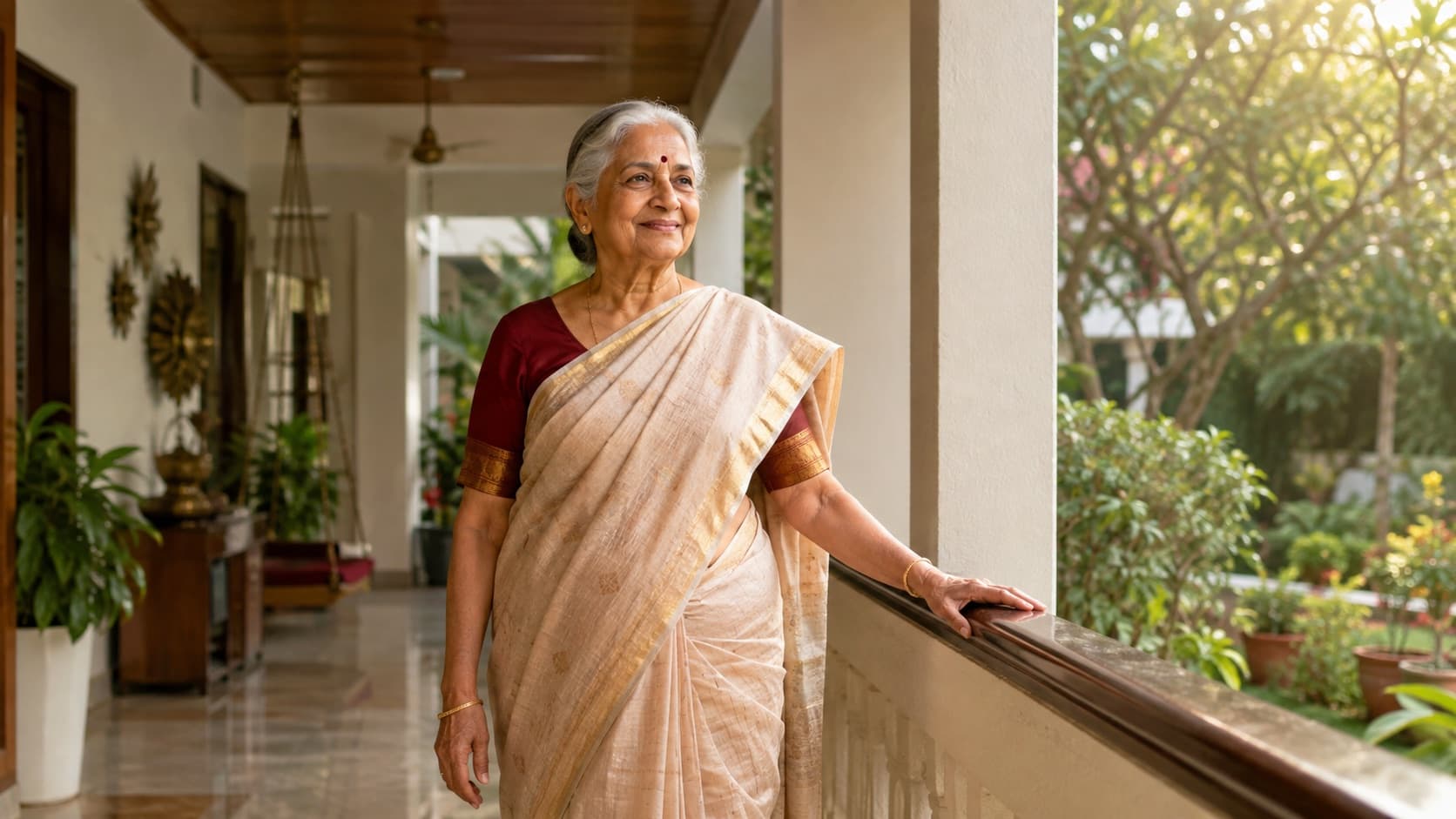
When an older parent breaks a bone, the family sees the fall. The slip in the bathroom, the missed step, the stumble on an uneven floor. That moment becomes the story, the thing everyone talks about and tries to prevent next time.
But the fall is only half of it. The other half happened silently, over years, long before anyone was watching. Bones that were once strong slowly grew thinner and more fragile, until a stumble that would have left a younger person with a bruise instead leaves an older parent with a broken wrist, or worse, a broken hip. The fracture was not really caused by the fall. It was caused by the fall meeting a bone that had quietly lost its strength.
This guide is about that quiet loss. Why bones weaken with age, why it gives almost no warning, and the simple, everyday things that keep an older parent's bones strong enough that a small stumble stays a small stumble.
Why bones weaken with age
Bone is living tissue. All through life it is constantly being broken down and rebuilt. In younger years the rebuilding keeps pace, and bones stay dense and strong. With age the balance tips, more bone is lost than replaced, and over years the bones become thinner, lighter, and more brittle. When this thinning goes far enough, it is called osteoporosis, which simply means porous, weakened bone.
Several things speed this up in an older parent. After a certain age the process quickens, and for women it often accelerates further after menopause. Many older Indians get too little vitamin D despite the sunshine, because they spend most of the day indoors and cover up outside, and vitamin D is what lets the body actually use the calcium in food. Diets often fall short on calcium and protein once appetite shrinks. Less physical activity means less of the weight-bearing movement that signals bones to stay strong. And some long-term conditions and medicines can weaken bone as well.
Put together, thinner bones, low vitamin D, less calcium and protein, and less movement, and it is easy to see why so many older parents reach a point where their bones simply cannot take an ordinary knock.
The condition with almost no symptoms
The hardest thing about osteoporosis is that a parent cannot feel it happening. Bone loss causes no ache, no stiffness, no signal. A parent can have significantly weakened bones and feel entirely well, right up until the day one breaks.
Because of this, families almost never think about bones until after a fracture. There are, though, a few quiet clues worth noticing. A parent who is gradually losing height, or whose upper back is developing a stoop or curve, may be showing the effect of tiny, painless compression fractures in the spine that osteoporosis causes. Sudden back pain with no obvious cause can sometimes be one of these. And any broken bone from a minor fall in an older parent is itself a strong sign that the bones underneath are fragile and deserve attention.
The practical takeaway is simple. You do not wait for a symptom, because there usually is not one. You act on the risk itself, before the fracture, and if there has already been one low-impact fracture, you treat it as a warning to protect against the next.
Why the hip fracture is the one to fear
Not all fractures are equal. A broken wrist heals. But a broken hip in an older parent is one of the most serious events in later life, because it so often takes away the very things that keep a parent well, the ability to move freely, to stay independent, to keep up the daily activity that maintains health.
A hip fracture usually means surgery, a hospital stay, and a long, hard recovery, and for a frail parent that whole chain can be a turning point from independence toward dependence. This is exactly why prevention matters so much. It is far easier, and infinitely kinder, to keep bones strong and floors safe than to recover from the fracture that fragile bones and an unsafe home make almost inevitable.
The two halves of protection
Protecting an older parent's bones has two sides that work together. Strengthen the bone from the inside, and remove the things that cause the fall in the first place. Neglect either and the risk stays high.
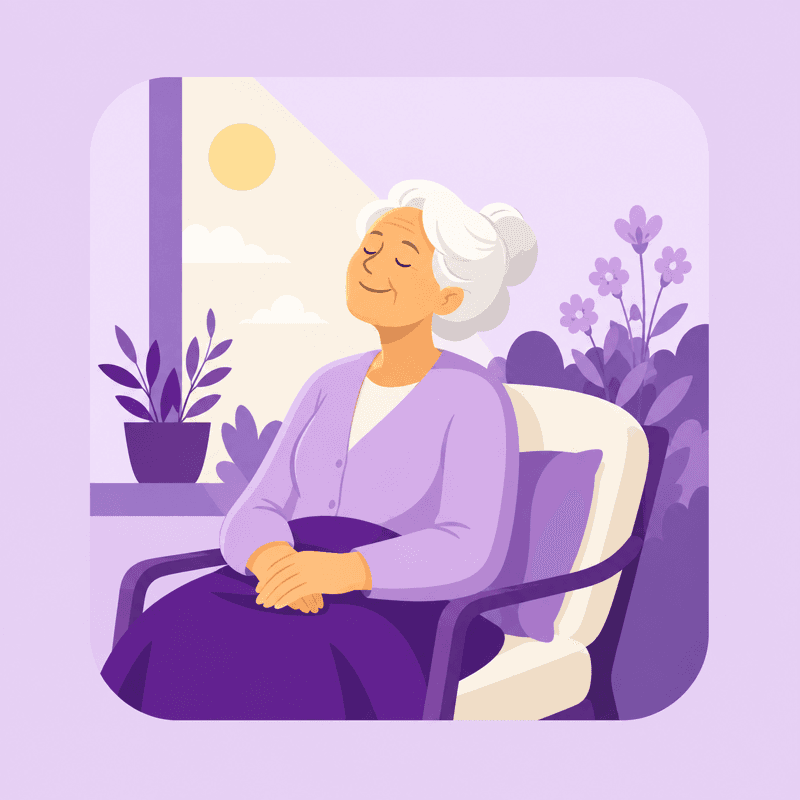
Sunlight for Vitamin D
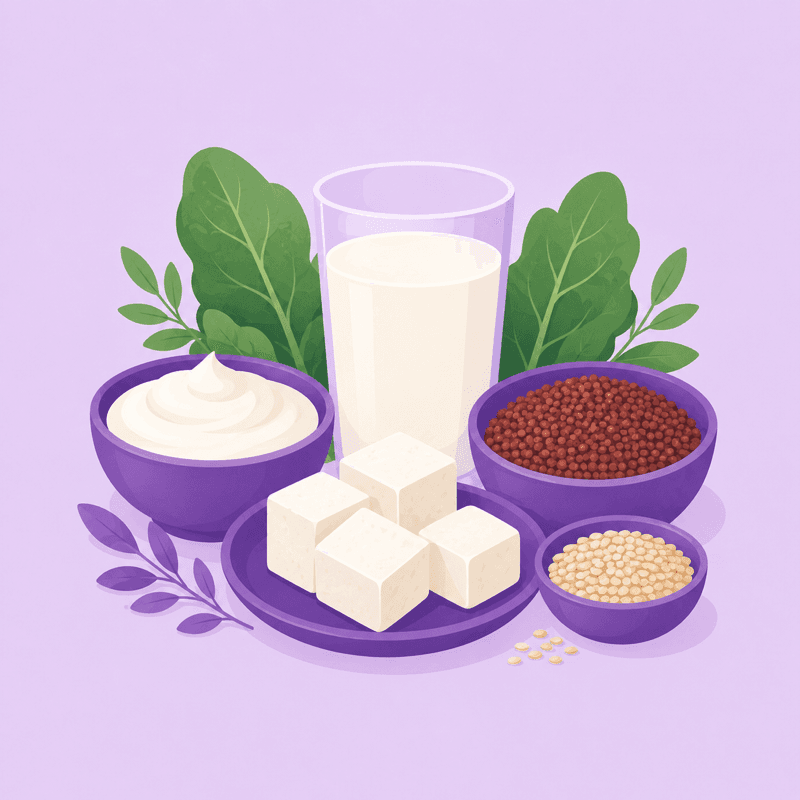
Calcium in the Diet

Enough Protein
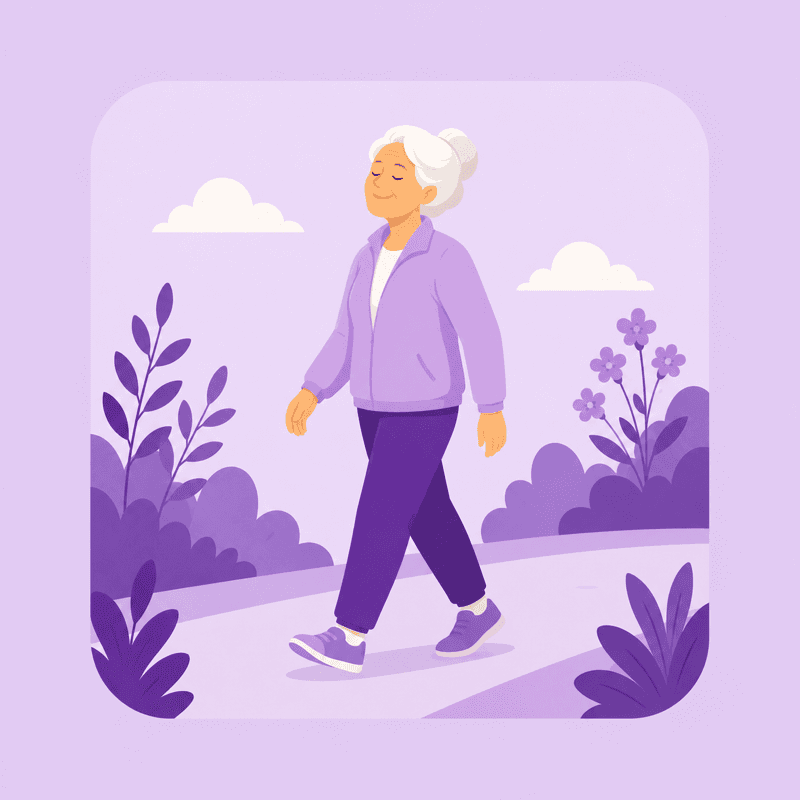
Weight-Bearing Movement
A Fall-Proofed Home
A Bone Check with the Doctor
The home side of this is so important that we have covered it in depth. Our guide to fall prevention at home is the natural companion to this piece, because strong bones and a safe floor protect a parent together in a way neither does alone. And where mobility is already a concern, our guide to mobility aids for elderly parents covers the supports that keep a parent steady.
Food, sun, and movement, in real life
The three pillars, calcium and protein, vitamin D, and weight-bearing movement, are simple to say and easy to let slide in an older parent's real day.
On food, the calcium is often already in familiar Indian meals, milk and curd, paneer, ragi, sesame, leafy greens, and dal, but a shrinking appetite means a parent may not be eating enough of it. Protein matters just as much, because it supports both bone and the muscle that keeps a parent from falling in the first place. Our guide to nutrition and Indian meals for elderly parents has practical ways to fit both into meals a parent will actually eat.
On vitamin D, the irony is that many older parents in sunny Bangalore are short of it, because they are indoors most of the day. A little safe morning daylight helps the body make its own, and where a parent is genuinely low, the doctor may advise a supplement, which is a decision for the doctor, not for guesswork at home. Low vitamin D and low vitamin B12 often travel together in older vegetarian parents, and our guide to vitamin B12 deficiency explains why these quiet deficiencies matter.
On movement, weight-bearing activity like walking is what tells bones to stay strong, and it builds the muscle and balance that prevent falls. It does not need to be strenuous. A short, regular daily walk does more for an older parent's bones than any occasional big effort. Where a parent is frail or already unsteady, guided physiotherapy at home can build strength and balance safely, without the risk of pushing too hard alone.
Why distance makes this hard
Bone health is precisely the kind of slow, silent thing a phone call cannot track. Your parent will not mention that they have stopped going out in the sun, that their appetite has shrunk, that they seem a little more stooped, that they had a small stumble last week and it shook them. None of it feels worth troubling you with, and the bone loss itself gives no signal at all.
What changes the picture is someone who sees your parent regularly and knows what to watch. A caretaker through the day can encourage the walk, make sure calcium-rich meals actually get eaten, get a parent out into safe morning light, notice a new unsteadiness or a stoop, and keep the home clear of the hazards that cause falls. A Care Manager brings it together, spotting rising risk, making sure a bone or vitamin D check happens when it should, arranging physiotherapy where balance and strength need building, involving the doctor after any fall or fracture, and keeping you informed without you having to piece it together from abroad.
When to see a doctor
Some situations call for a doctor rather than home measures. See a doctor promptly after any broken bone from a minor fall, because it is a strong sign of fragile bones and a warning to prevent the next one. Seek advice for a parent who is visibly losing height or developing a stoop, for sudden unexplained back pain, or for a parent with several risk factors who has never had their bone health assessed. The doctor can check bone strength and vitamin D and advise on whether supplements or treatment are needed. Never start calcium or vitamin D supplements on your own, as the right amount is a medical decision.
Frequently asked questions
How would I even know if my parent has weak bones? They feel fine.
You usually cannot feel osteoporosis, which is why it is so easily missed. Watch instead for indirect clues such as losing height, a developing stoop, sudden unexplained back pain, or any broken bone from a minor fall, and act on risk factors rather than waiting for a symptom. A doctor can assess bone strength directly.
My parent lives in sunny Bangalore, so surely their vitamin D is fine?
Not necessarily. Many older parents are low in vitamin D despite the sunshine, because they spend most of the day indoors and stay covered outside. Without enough vitamin D the body cannot properly use the calcium in food, so both matter together.
What foods help my parent's bones most?
Familiar calcium-rich foods such as milk, curd, paneer, ragi, sesame, leafy greens, and dal, along with enough protein at each meal to support bone and muscle. A shrinking appetite often means a parent eats too little of these, so our nutrition guide has practical ideas.
Is exercise safe if my parent already has weak bones?
Gentle weight-bearing movement like walking is one of the best things for bones and balance, but a frail or unsteady parent should build up safely rather than push alone. Guided physiotherapy at home is a safe way to build strength and balance.
My parent already broke a bone from a small fall. What now?
Treat it as an important warning that the bones are fragile. See the doctor to assess bone strength and vitamin D, review the home for fall hazards, and put the food, sunlight, and movement basics in place to protect against the next fracture.
A simple next step
Strong bones are built quietly, over months of small habits, which is exactly why they are so easy to neglect from a distance. The fracture arrives as a sudden event, but the fragility that allowed it was years in the making, and years in the preventing.
If your parent is getting older, or has had any fall or fracture, a Kare@home Assessment Visit is a sensible place to start. For ₹999, a Care Manager visits at home, reviews health, medicines, nutrition, and the safety of the home itself, then sends the family a Family Report within 48 hours. Where strength and balance need building, physiotherapy at home can help safely, and if daily support would keep the meals, the movement, and the safe habits going, a caretaker can be placed.