| No. 19 · Thursday, 24th September 2026 |
For those who care from a distance |
Kareverse, Bangalore |
|
|
Newsletter
Elder care intelligence for NRI families with parents in Bangalore
|

|
Feature Essay
The Mouth Nobody Checks
Of all the things a video call hides, your parent's mouth is the most complete blind spot. You will see their face, their smile, the room behind them, and none of the small quiet trouble inside: the loose denture, the gum that bleeds, the tooth they have simply learned to chew around. It is one of the most neglected corners of elder care, and one of the most consequential.
1 in 6
Indians over sixty have lost all of their natural teeth, and many more live with untreated decay, gum disease, or dentures that no longer fit, quietly and without complaint.
|
|
"A failing mouth is a nutrition problem wearing a disguise. From ten thousand miles away it looks like nothing has changed; they are still eating."
Edition 19
|
|
Think about the last video call with your parent. You watched their face for a full half hour. You would have caught a new cough, a wince as they stood, a tremor in the hand holding the phone. And in all that time, you saw nothing at all of the one part of them where a slow, expensive problem may already be underway: the inside of their mouth. It is the most complete blind spot in the whole of distant caregiving, and it is the one we almost never think to ask about.
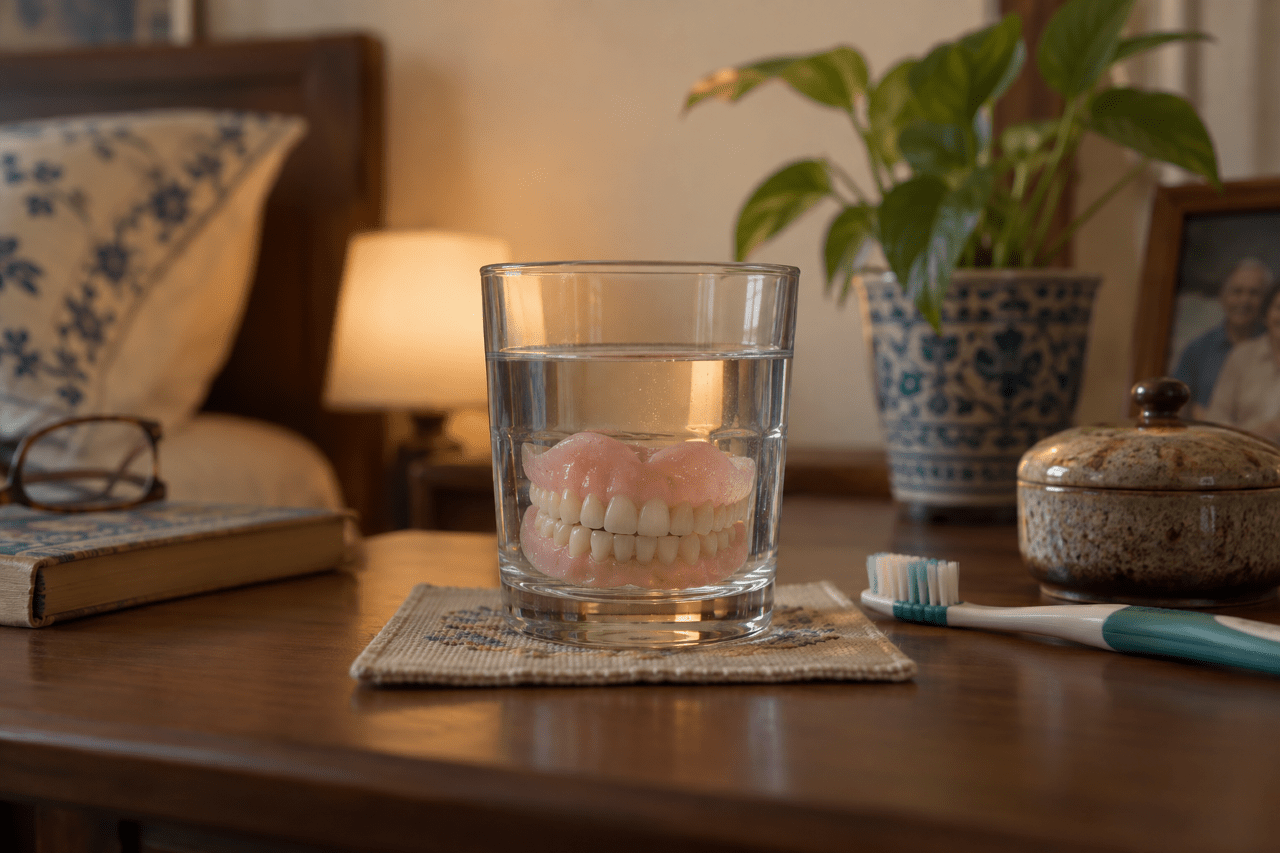
We simply do not, as families, keep track of our parents' teeth the way we track their blood pressure or their sugar. Nobody phones home to ask when Amma last saw a dentist. And so the small things accumulate in silence. A tooth begins to ache and, rather than mention it, your parent quietly starts chewing on the other side. A denture that fit perfectly a few years ago slowly loosens as the gum beneath it changes shape, until it clicks and rubs and gets left in a glass more often than it is worn. Gums recede and bleed a little at brushing, and it is put down to age and ignored. None of it is an emergency, so none of it gets fixed, and a dentist starts to feel like far too much trouble for something that isn't really hurting today.
But here is what makes the mouth different from most of the quiet problems we write about: it silently rewrites what your parent can eat. A person who cannot chew comfortably does not announce it. They simply drift, meal by meal, toward the soft and the easy: rice, curd, biscuits, sweet tea, the things that need no real chewing. The hard, fibrous, protein-rich foods, the salads, the nuts, the fruit you have to bite into, the meat and dal that take work, all quietly fall off the plate. From ten thousand miles away it looks like nothing has changed; they are still eating. But the quality of what they eat has collapsed, and this is very often the hidden engine behind the weight loss and the lost strength we wrote about in recent weeks. A failing mouth is a nutrition problem wearing a disguise.
And it does not stop at the teeth. There is now good evidence linking gum disease to the very conditions our parents are already fighting: it can make diabetes harder to control, is associated with heart disease, and a mouth full of infection is a genuine risk when bacteria find their way to the lungs and become pneumonia. Then there is dry mouth, which almost no family knows to look for. It affects around a third of people over sixty-five, and it is very often not the aging itself but a side effect of the medicines they take: the blood-pressure tablets, the antidepressants, the drugs for an overactive bladder. A dry mouth is not just uncomfortable; without enough saliva, decay accelerates, dentures stop staying put, and eating becomes a chore. It is one of the clearest examples of how the pills that manage one problem can quietly create another that nobody connects back to them.
So this is a letter about the part of your parent you can least see and most easily forget. The fix is not dramatic. It is mostly a matter of remembering that the mouth exists as a thing to be maintained, not just noticed when it screams, and of getting a parent who has decided the dentist is "too much bother now" back into a chair before a small problem becomes a lost tooth, a failed denture, or a meal they can no longer manage.
|
Also in this edition
"A parent will mention a bad knee. They will almost never mention a bad tooth."
Complaining about a tooth feels petty next to real illness, so it goes unmentioned for years. Meanwhile the food quietly shifts to the soft and the sweet, and the strength goes with it.
Ask the one question nobody asks, when did you last see a dentist, and then do something with the answer.
|
|
|
● The Bangalore Lens
What's happening locally, right now
|
A parent will mention a bad knee. They will almost never mention a bad tooth. Someone has to actually look, and actually take them.
Dental care is the errand that slips off everyone's list, because it is never urgent until it suddenly is. Your parent won't raise it; complaining about a tooth feels petty next to real illness, and going to the dentist means booking, travelling, sitting in a chair, and spending money on something that isn't hurting badly enough today. So years pass between visits, and the loose denture and the aching molar just become part of the furniture of getting old. This is precisely the kind of small, important, endlessly-postponed thing our Active Age community keeps on the radar, and that Genie exists to actually carry across the line.

Genie's Go With Them takes your parent to a dentist for the check-up that's been put off for years, waits through it, and sends you a clear note of what was found and what the dentist advised, so a vague "I think her tooth has been bothering her" becomes a real plan. And Genie's Be There at Home is the pair of eyes that notices what a video call can't: the food left on one side of the plate, the wince at dinner, the denture sitting in its glass at lunchtime. The small signals that a mouth is quietly failing, spotted by someone actually in the room.
A Genie never touches your parent's money, never asks for a PIN, never transacts. It is simply the attentive presence you would be yourself, if you were here. The things you'd do for your parents, if you were here.
You cannot see inside your parent's mouth from another country. But you can make sure someone looks, and someone takes them.
|
30%
around a third of people over sixty-five live with a chronically dry mouth, and it is very often not age but a side effect of the everyday medicines they already take. Left unspotted, it quietly speeds up decay and makes dentures and eating harder.
|
|
|
● One Thing To Do
This week
|
|
Action
Ask this week
Ask the Question Nobody Asks
Between the calls about blood pressure and sugar and sleep, ask the one about the mouth, and then do something with the answer.
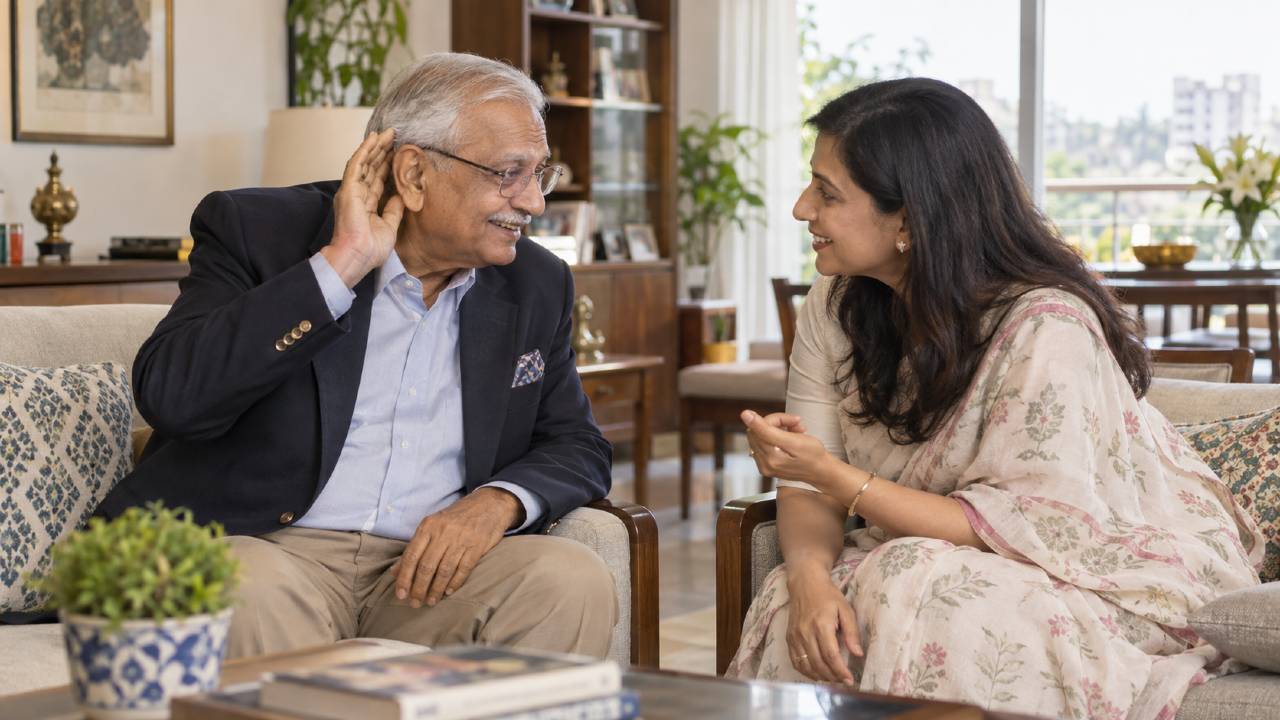
1. Ask directly, and specifically. Not "are your teeth okay" (the answer is always "fine"), but: when did you last see a dentist? Does any tooth hurt when you eat? Does your denture still fit, or does it click and rub? Is your mouth often dry? Specific questions get honest answers.
2. Watch the plate, not just the appetite. Ask whoever is at home whether food is being left on one side, whether harder foods (fruit, nuts, salads, meat) have quietly disappeared, whether your parent chews slowly or avoids certain things. A changing plate is often a mouth problem in disguise.
3. Book the overdue check-up. If it has been more than a year, or if anything above rang true, fix an actual dental appointment and arrange for someone to take them. Don't leave it as a suggestion on a phone call.
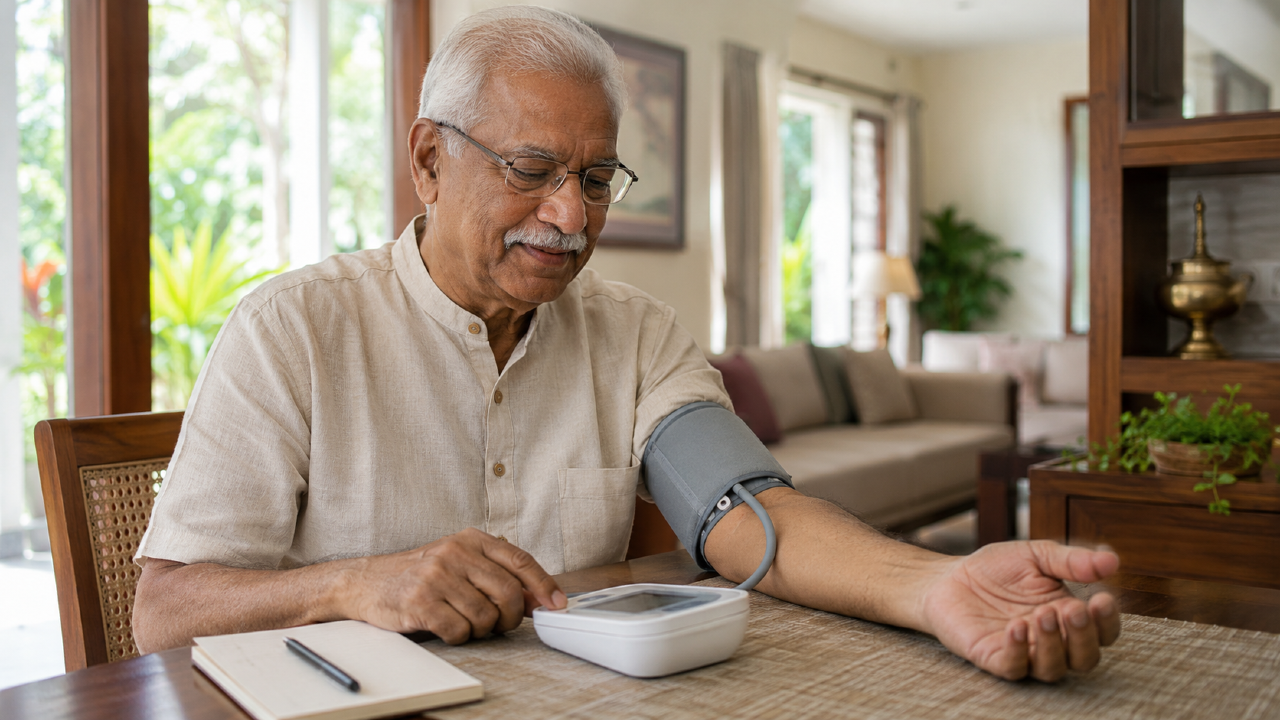
4. Connect the dry mouth to the medicines. If your parent's mouth is often dry, mention it to their doctor and ask whether any of their regular medicines could be the cause, and whether anything can be adjusted. It is a real, fixable side effect, not just "old age."
5. Make the basics routine. Brushing twice a day, cleaning dentures nightly and leaving them out to rest, and rinsing after meals cost nothing and prevent a great deal. If a parent has become forgetful or shaky, this is exactly the kind of small daily thing a helper or Care Manager can gently keep on track.
The mouth is where a surprising amount of a parent's health quietly begins to slip. Asking about it once, and acting on the answer, is one of the least glamorous and most useful things you can do from far away.
|
|
● From The Blog
Further reading on kareverse.com
|
|
|
|
There is a hierarchy of worry in every distant family, and the mouth sits right at the bottom of it, far below the heart and the blood pressure and the memory. It feels almost trivial, which is exactly why it is dangerous: a problem too small to raise, too slow to alarm, and too easy for everyone to keep postponing, until one day a parent is living on curd and sweet tea and no one can quite say when that started. Our parents will not tell us. They chewed around the ache, left the denture in the glass, and decided the dentist was more trouble than it was worth, all without a word. The kindest thing we can do is to remember, on their behalf, that the mouth is part of the body we are trying to look after, and to ask the small question before it becomes a large one.
The Kin Letter, Edition 19 · Thursday, 24th September 2026
|
|
Know someone whose parents are in Bangalore? Forward this letter, or invite them to subscribe.
Subscribe
Join Active Age Community
Follow on LinkedIn
|
|
Sources: Edentulism (complete tooth loss) in older Indians. WHO SAGE data for adults aged 50+ found edentulism around 16% in India, and among community-dwelling adults 60+ close to one in six were completely edentulous (the Longitudinal Ageing Study in India reports a somewhat lower overall figure of ~11.4% for 60+, with wide regional variation; local urban studies report much higher rates). Dry mouth (xerostomia) affects an estimated ~30% of people over 65 and up to ~40% of those over 80, most commonly as a medication side effect rather than aging itself, and it increases the risk of decay, gum disease, oral infection and ill-fitting dentures (Oral Health and Older Adults narrative review; American Dental Association; AAFP). Gum (periodontal) disease is associated with poorer diabetes control, cardiovascular disease and aspiration pneumonia. Impaired chewing is linked to reduced intake of harder, fibre- and protein-rich foods and to poorer nutrition in older adults. And Genie by Kareverse (kareverse.com/genie). This letter is general information, not medical or dental advice; any tooth pain, mouth problem, or medication side effect should be discussed with your parent's own dentist or doctor.
You're receiving The Kin Letter because you're part of our community. Unsubscribe
|
|