|
At 2:47 AM, your phone lights up. A Bangalore number you don't recognize. A voice says, "Your father has been admitted. We need to know his medical history." You are 13 time zones away. The doctor is asking about medications, allergies, a surgery three years ago that you only half remember.
Here is what happens when your parent arrives unconscious at a Bangalore hospital emergency department with no one who can speak for them. They do not stop treating. But they slow. The patient is stabilized while staff tries to reconstruct a medical history from an empty wallet and a locked phone. Every minute of that gap is guesswork: Which blood thinner? Any drug allergies? A pacemaker? The last ECG?
The gap is real, and it is dangerous. Adverse drug interactions happen when allergy histories are missing. Diagnoses are delayed when critical conditions are unknown. Consent for procedures becomes complicated when there is no named decision-maker on file.
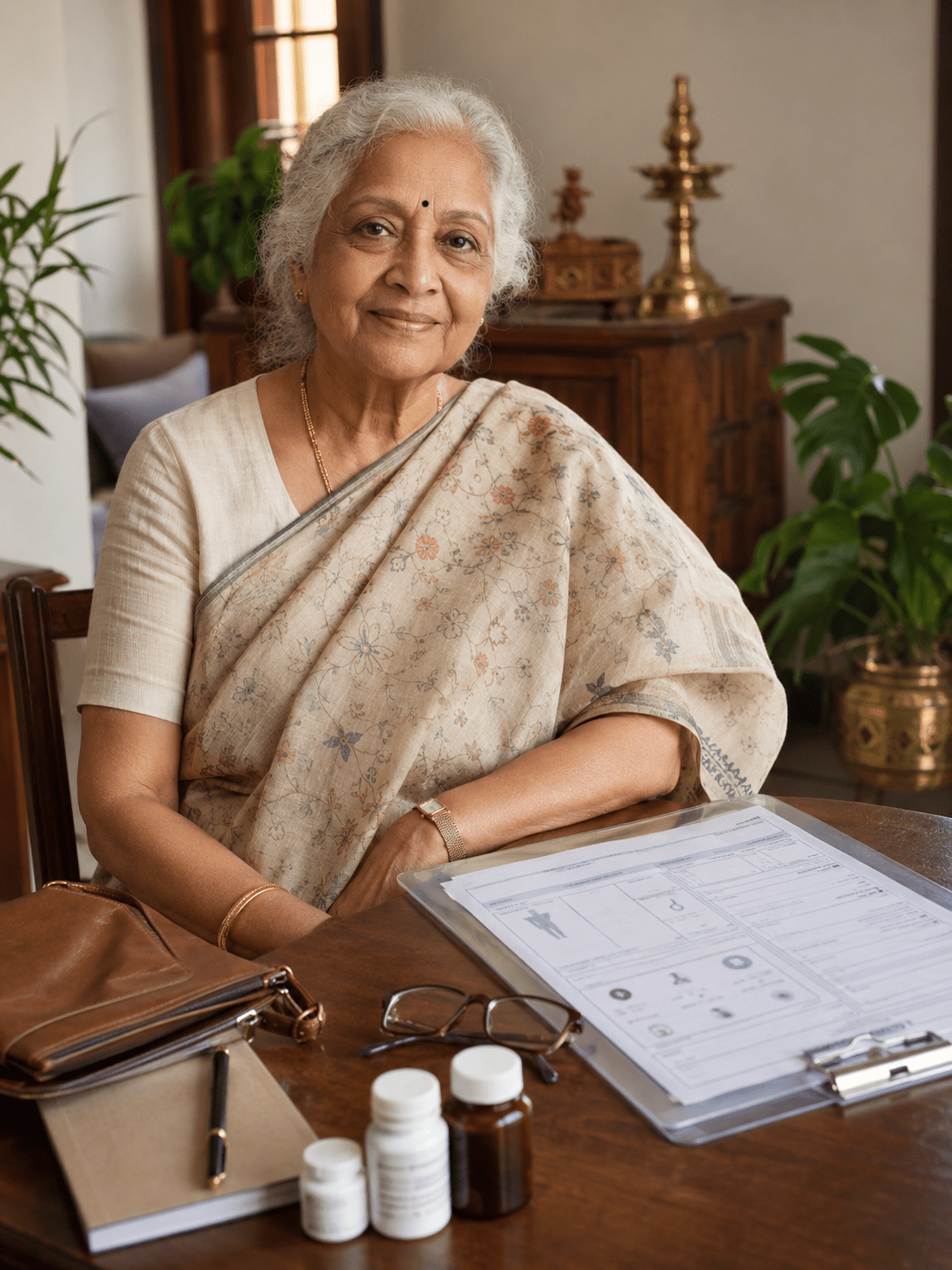
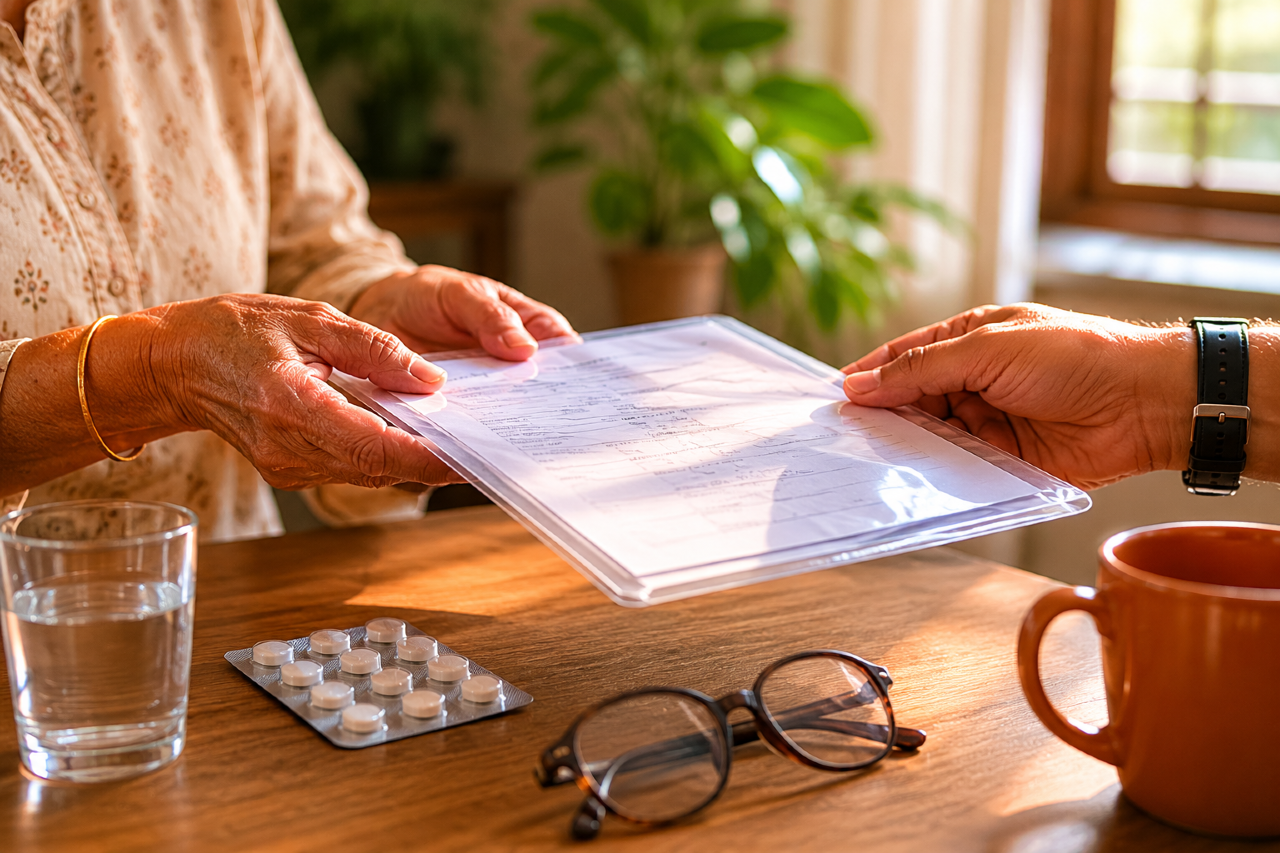
The fix is almost insultingly simple: a single laminated A4 sheet and a wallet card. This is not a new idea. In India, where hospital systems do not reliably share records and ABHA adoption is still uneven, a physical sheet that travels with the patient is often more useful than any app.
What goes on it? Not everything. Just what a doctor at 3 AM actually needs to not make a critical mistake. Full name as on Aadhaar. Blood group. Top five medical conditions. Current medications in generic names with doses. Allergies in bold. Implants or devices. Primary doctor with phone number. Insurance details and ABHA ID. And whether an Advance Directive exists, and where to find it. That's it. One page. Not a binder.
|
Also in this edition
"A sheet that travels with the patient is often more useful than any app."
Digital systems are improving, but Bangalore's emergency departments still ask for the same paperwork they asked for a decade ago: Aadhaar, an insurance card, anything the family can produce.
Build for the paper gap now. The digital layer will catch up.
|