

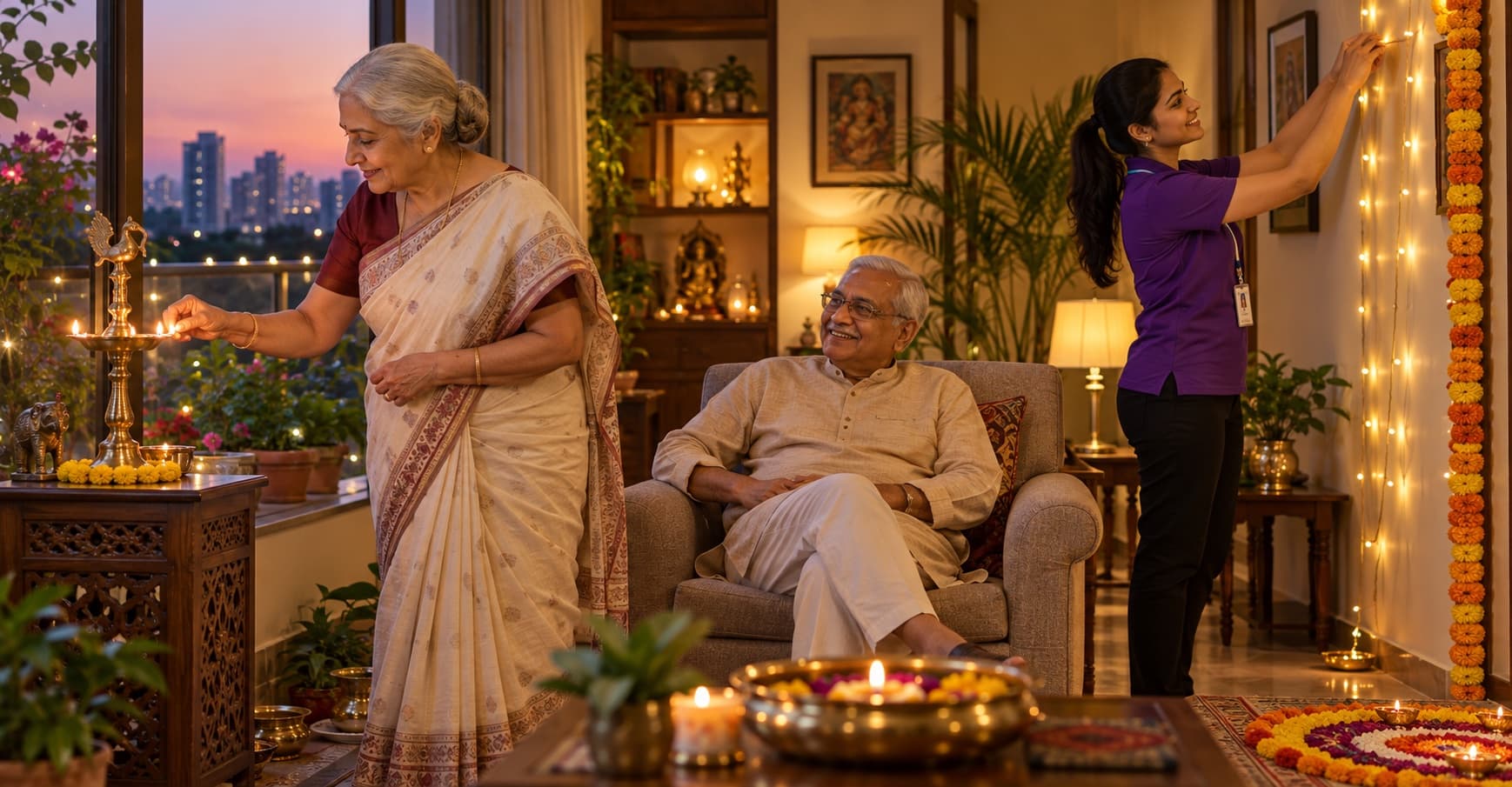
For most families, Diwali is the best week of the year. The house is cleaned top to bottom, the lamps come out, the sweets arrive in boxes, and children fly home from wherever they live. For your parents, it is often the week they look forward to most.
It is also a week that asks a lot of an older body. Days of cleaning and climbing, smoke that hangs in the evening air, oil lamps on the floor, loud bursts late into the night, rich food, broken sleep and a full house can all add up. None of this means the festival should be any smaller. It just means a little planning makes it safer.
This guide covers Diwali safety for elderly parents in Bangalore: the cleaning week, the smoke, the lamps, the noise, the food and medicines, and what to do if something goes wrong. If you are flying home for the festival, it is also a good checklist for your first day back.
Diwali safety for elderly parents: what changes during the festival
Diwali changes three things at once for an older parent.
The routine breaks. Meals come at odd times, nights run late, and medicine doses are easily missed or doubled in the rush. Our guide on the daily routine for elderly parents explains why a steady rhythm matters so much at this age.
The home changes. Furniture moves for cleaning, rangoli and lamps sit on the floor, extra people and bags fill the hallways, and the usual walking paths are suddenly not clear.
The air and noise change. For a few evenings, smoke from firecrackers and sudden loud sounds are part of the background, which affects parents with breathing problems or hearing aids more than anyone else.
Each of these is manageable on its own. The sections below take them one at a time.
The cleaning week: the quiet fall risk
Some of the riskiest moments of Diwali come before the festival even begins. Older parents, especially mothers, often insist on doing the cleaning themselves: climbing a stool to dust the top of a cupboard, standing on a chair to change curtains or put up lights, scrubbing a wet bathroom floor.
A few rules help:
- No climbing. Anything above shoulder height is a job for someone younger, a hired helper, or a Genie. A stool that feels steady to a 40-year-old is not steady for a 75-year-old.
- Spread the work over days. Tiredness makes people careless with their footing. A few rooms a day is safer than one marathon.
- Dry floors before walking on them. A freshly mopped floor is as slippery as a wet bathroom.
- Put furniture back. A parent who walks to the bathroom at night by memory can trip over a chair that was moved that afternoon.
Our guide on fall prevention at home covers the rest of the house.
Diyas, candles and loose clothing
Oil lamps and candles are the heart of the festival, and also a common cause of burns at this time of year. Older adults are at higher risk for simple reasons: they move more slowly, may not see as well in low light, and often wear loose sarees, dupattas, dhotis or shawls that can brush a flame.

Lamps Off the Walking Path
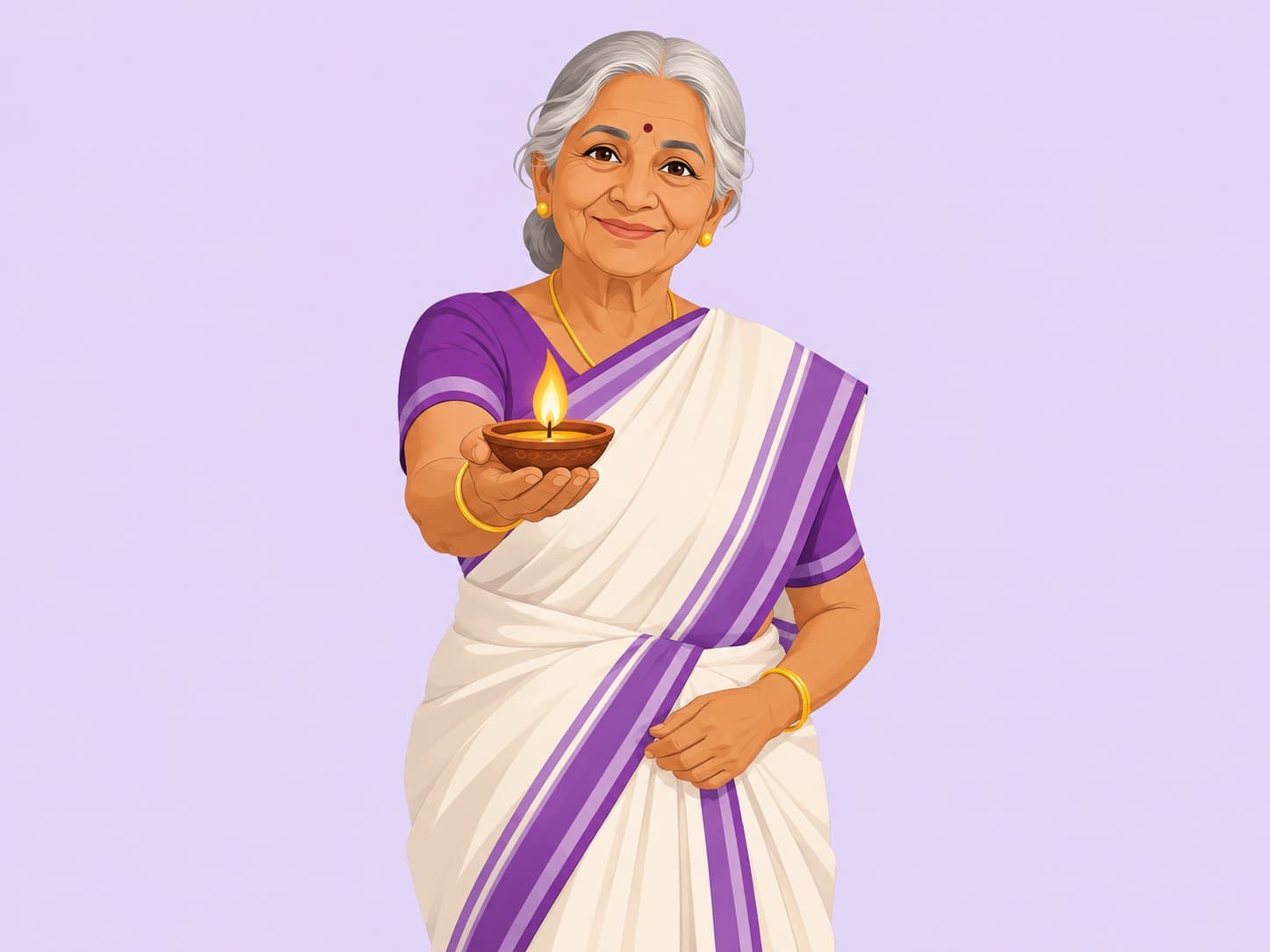
Cotton, Tucked In
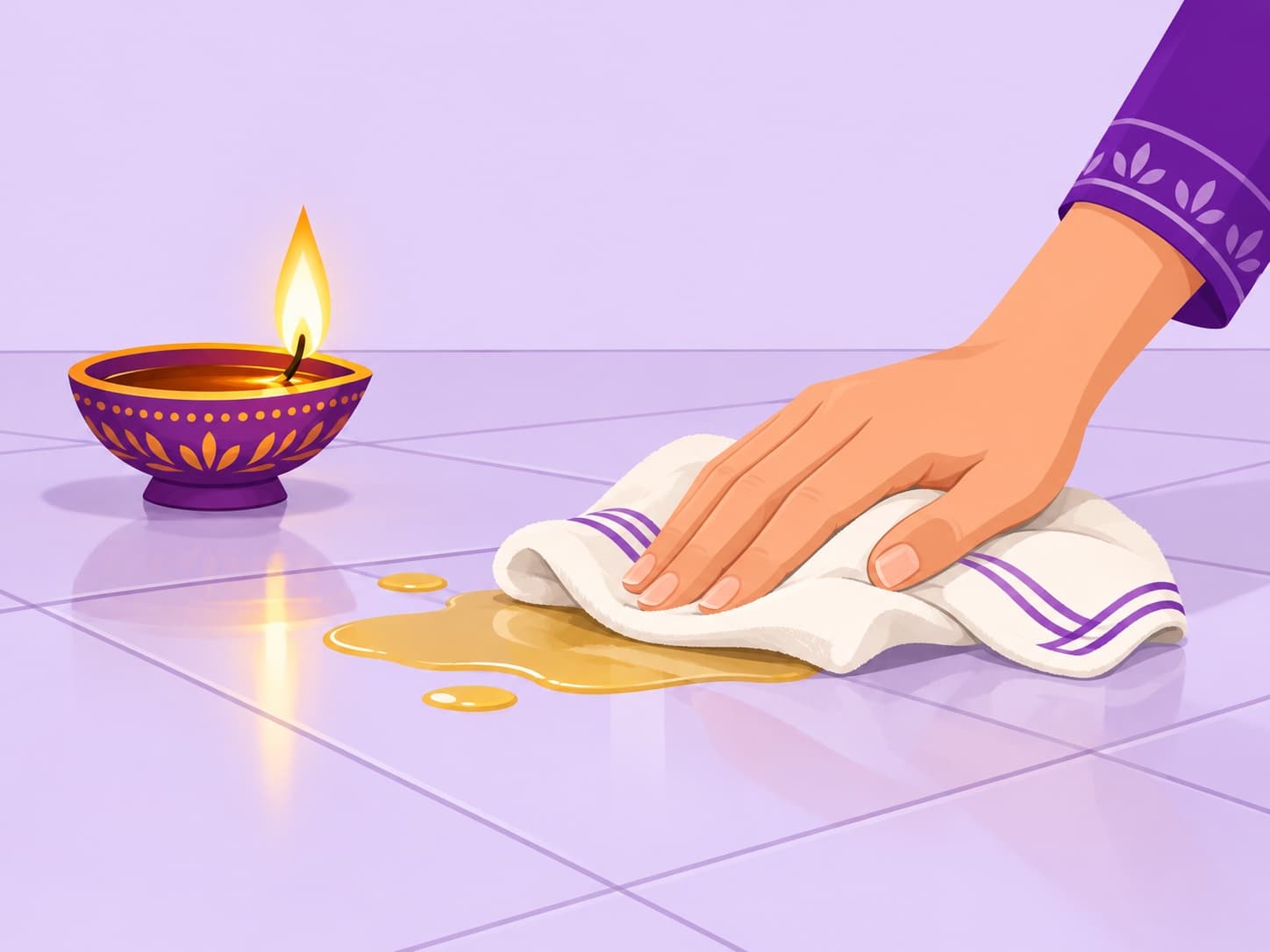
Wipe Oil Spills at Once

Water Within Reach
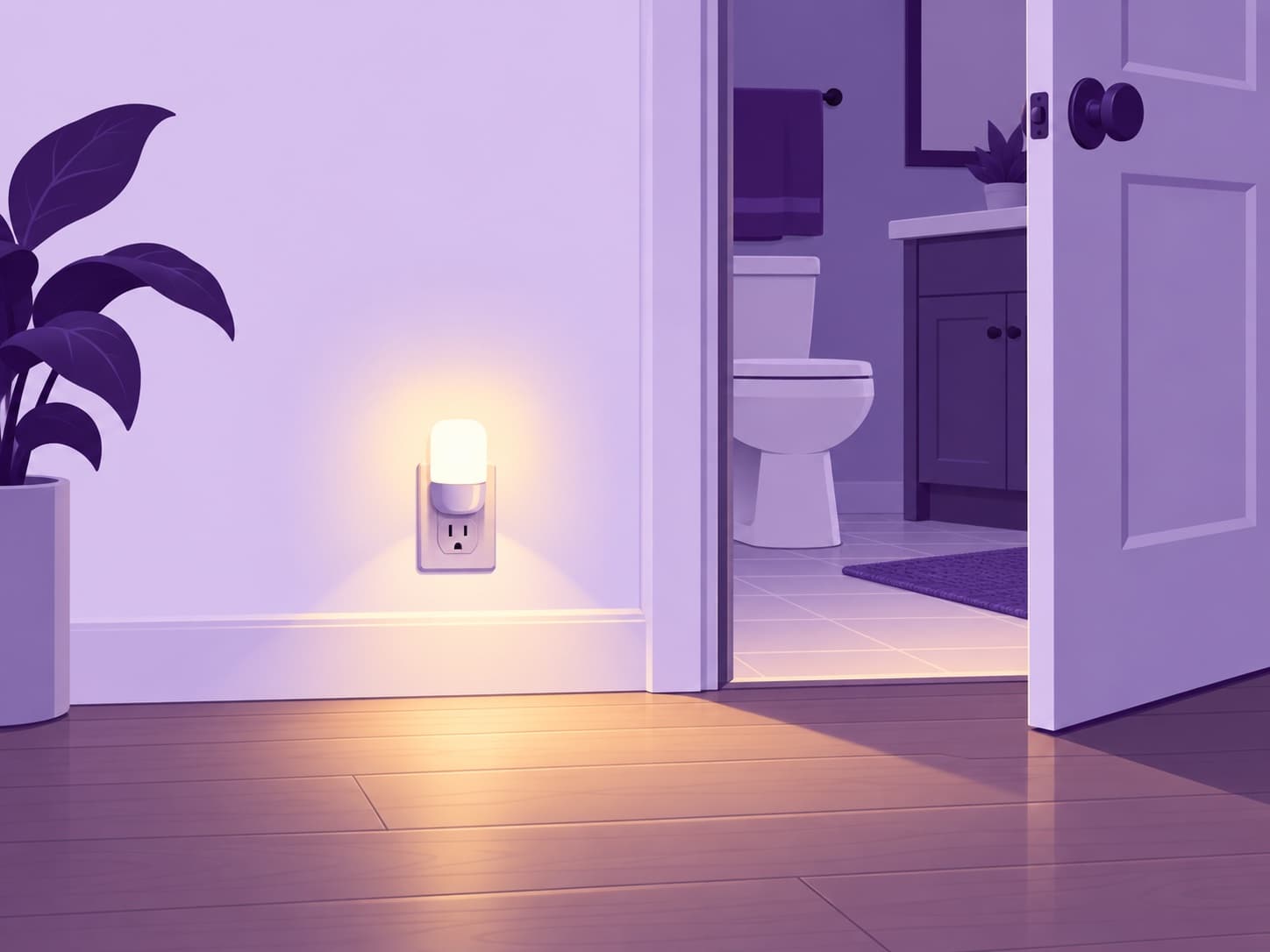
Light the Path at Night

Medicines on Schedule
If a burn happens: hold it under cool or lukewarm running water for 20 minutes, as soon as possible, and gently remove rings or clothing near it unless they are stuck to the skin. Do not put ice, toothpaste, butter or oil on a burn. Cover it loosely with cling film or a clean, non-fluffy cloth. Older skin is thinner and heals more slowly, so in an older parent, a burn that blisters, is bigger than their own hand, looks white or charred, or is on the face, hands, feet or genitals should be seen at a hospital promptly. For anything serious, call 108 for an ambulance, 101 for fire, or 112.
Firecracker smoke and breathing
For parents with asthma, COPD, heart disease or a long history of cooking smoke exposure, the evenings of Diwali can be hard. Smoke from firecrackers can irritate the airways and set off coughing, wheezing or breathlessness, and the effect can last into the next morning.
Practical steps:
- Stay indoors during the busiest evenings, with windows and doors closed, rather than standing on the balcony or in the compound.
- Keep inhalers and regular medicines within reach, and check before the festival that nothing is running low.
- Follow the doctor's plan. If your parent has a breathing condition, ask their doctor before Diwali what to do if symptoms flare, and write it down.
- Know the warning signs. Breathlessness at rest, lips or fingertips turning bluish, chest pain, or confusion need urgent medical help, not a wait until morning.
Our guide on breathlessness in elderly parents explains which symptoms need attention first.
Noise, hearing aids and sleep
Sudden loud bursts can be distressing for older adults, particularly those with hearing aids, memory changes, or heart conditions that make them anxious.
- Hearing aids: a hearing aid amplifies sound and is not hearing protection. During the loudest hours, a parent can switch it to a quieter or noise programme, or turn it off and take it out, and put it back in for conversation. Their audiologist can advise on the best setting. Keep a removed aid somewhere safe, not on a table where it can be swept away with wrapping paper.
- Earplugs and distance: simple foam earplugs (once any hearing aid is out) can take the edge off late-night noise, and keeping well back from where crackers are burst protects everyone's ears.
- Memory changes: a parent with dementia or confusion may be frightened by noise and crowds. A quiet room, a familiar face and a predictable evening help more than explanations.
- Sleep: late nights and noise disturb sleep for days. Protect at least the usual bedtime, and keep the day after a big night gentle.
Our guides on hearing loss in elderly parents and sleep problems in elderly parents have more.
Sweets, fasting and medicines
Food is a big part of the festival, and nobody wants to be the person counting a parent's laddoos. A few gentle habits keep it safe:
- Diabetes: smaller portions spread through the day are better than a large plate in one sitting. "Sugar-free" sweets still contain fat and carbohydrate, so they are not unlimited. Keep regular meal times so medicines and food stay in step. Our guide on elder care for parents with diabetes covers this in more detail.
- Blood pressure and heart conditions: festive snacks are often very salty. Balance them with plain home food on the other days.
- Fasting: if your parent fasts for Lakshmi Puja or any other day, ask their doctor beforehand how to take their medicines, especially diabetes tablets, insulin and blood pressure medicines. Fasting without adjusting these can cause low sugar or dizziness.
- Water: busy days mean less drinking. Keep a glass within reach and offer water through the day. Our guide on dehydration in seniors explains why it matters.
Coming home for Diwali: use the visit well
If you are flying back for the festival, Diwali is one of the few times you are physically inside your parents' home. It is worth protecting one unhurried morning to look around properly: the bathroom floor, the stairs, the medicine shelf, how easily your parent gets up from the sofa, whether they have lost weight.
Make a short list of what needs fixing, and arrange it before you leave rather than after. Our guide on flying with elderly parents has tips if your parents are travelling to you instead, and our guide on how to care for parents from abroad covers what to put in place once you fly back.
Frequently asked questions
How can I protect my elderly parent from firecracker smoke during Diwali?
Keep them indoors with windows closed during the busiest evenings, make sure inhalers and regular medicines are at hand, and ask their doctor in advance what to do if breathing worsens. Breathlessness at rest, chest pain or bluish lips need urgent help. Our guide on breathlessness in elderly parents explains the warning signs.
What should I do if my parent gets a burn from a diya?
Hold it under cool or lukewarm running water for 20 minutes, cover it loosely with cling film or a clean cloth, and do not apply ice, toothpaste or oil. In an older parent, any burn that blisters, is bigger than their hand, looks white or charred, or is on the face, hands or feet should be seen at a hospital promptly. Call 108 for an ambulance in an emergency.
Can my diabetic parent eat Diwali sweets?
Usually in small amounts, spread through the day, alongside regular meals and medicines. Sugar-free sweets are not unlimited. If your parent plans to fast, check with their doctor first about adjusting medicines. Our guide on diabetes in elderly parents has more.
My parent has memory problems. How do we handle Diwali?
Keep the evening predictable, give them a quiet room away from the noise and crowd, and keep a familiar person nearby. Too many new faces and loud bursts can cause distress or confusion. Our guide on memory changes in aging parents covers what to look out for.
Who can help my parents with Diwali preparations if I cannot be there?
A trusted neighbour or relative, or Genie by Kareverse, who can be at home while the cleaning and repairs happen, take your parent to the temple or for festival shopping, and check in on them through the week. If your parent needs daily support, a caretaker can be arranged.
A simple next step
Diwali safety for elderly parents is mostly about a few small decisions made in advance: no climbing, lamps off the floor, inhalers at hand, medicines on schedule, and a quiet room to retreat to.
If you cannot be in Bangalore for the festival, Genie by Kareverse can be the pair of hands you would be: at home while the cleaning, repairs or light fittings are done, alongside your parent on a temple visit or a shopping trip, and checking in on them through the festival week. A Genie never touches money, never asks for a PIN and never transacts on your parent's behalf. If your parent needs steady help at home through the season and beyond, a caretaker can be placed from ₹1,100 a day.