|
Type 2 diabetes in an Indian household does not announce itself. It seeps in. Your father stops walking to the corner store and you think his knees are acting up. Your mother serves herself smaller portions of rice and you assume she is watching her weight. What you do not see: the foot soaked in warm water every evening to numb a burning sensation they describe as "nothing, just tired feet." The blurred vision they blame on needing new glasses. The cuts that take weeks to heal.
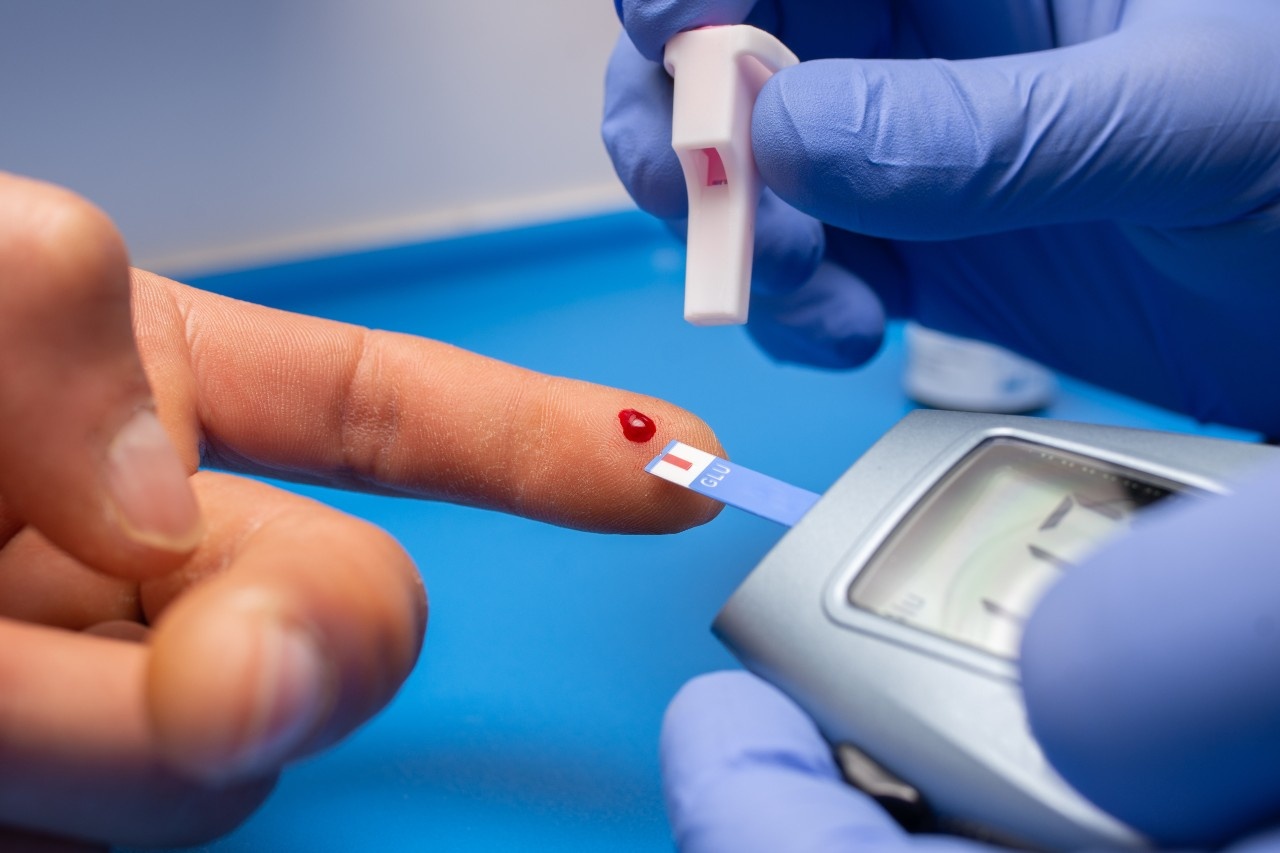
The Lancet Global Health analysis of India's LASI data found that among Indians 60 and older who did know they had diabetes, only 46% had their blood sugar under any kind of control. This is not a population ignoring advice. This is a population receiving fragmented advice, rationing what they can afford, and translating doctor-speak through a fog of anxiety and pride.
Why do they hide it from you? The reasons stack like bricks. "Not wanting to worry you" is the foundation. They see your life abroad as something they built, something fragile, and they will not be the crack in it. Then shame: the End Diabetes Stigma Global Summit held in Jaipur this March found that 4 in 5 people with diabetes report experiencing stigma, often rooted in the belief that diabetes is a personal failure of discipline. For a parent who spent decades feeding a family, being told their food is now their enemy feels like an accusation. Then fear: admitting diabetes means admitting they may need help, and help from an NRI child often arrives as restrictions, arguments, or worst of all, suggestions that they move out of the home they have lived in for forty years.
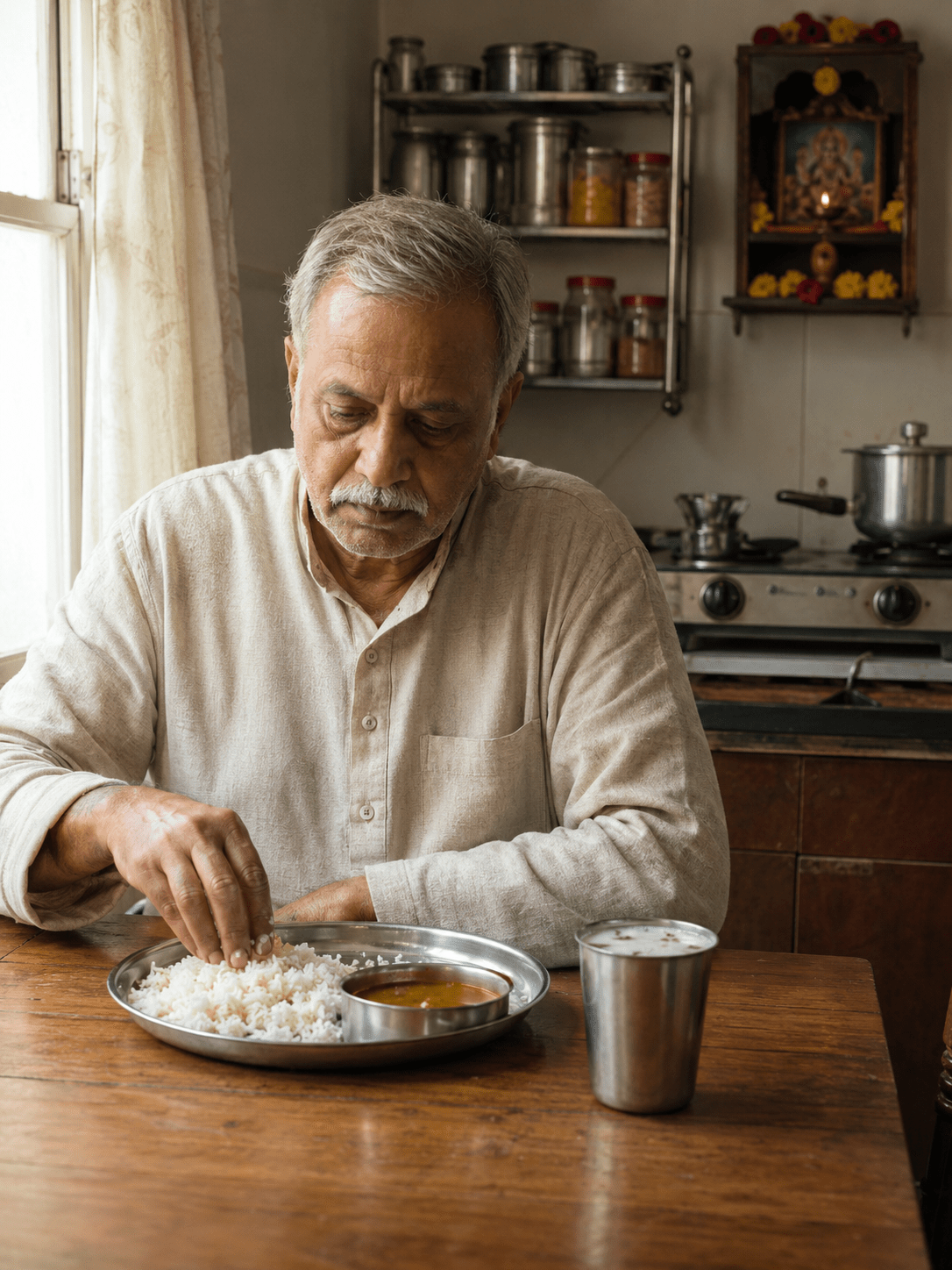
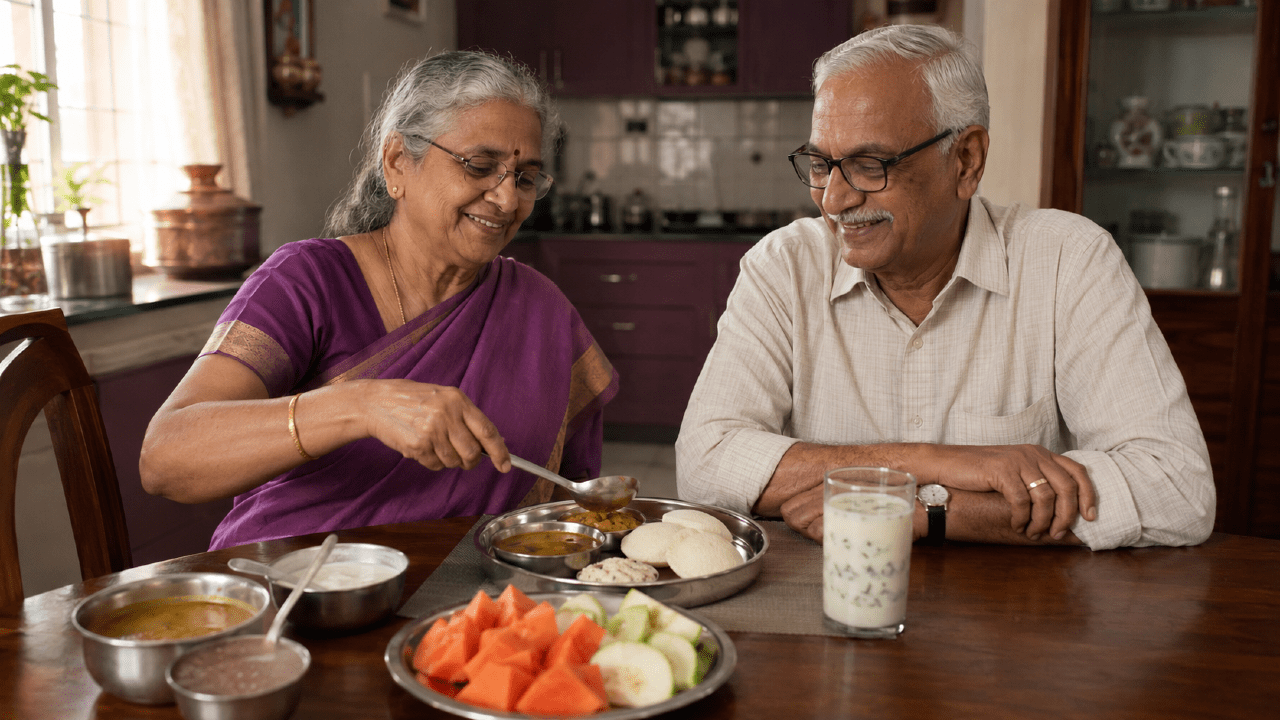
The daily reality is harder than the diagnosis. A typical South Indian meal, rice, sambar, papad, delivers a glycemic load that would concern any doctor. Wheat roti seems safer but three rotis multiply the load quietly. And sugarcane jaggery, the "healthy natural sugar" your mother probably stirs into her chai, has a glycemic index of 84, higher than white sugar at 65. She is not being careless. She is being human, holding onto the foods that taste like memory while her body quietly struggles. (A note: palm jaggery, or karupatti, has a much lower glycemic index of around 40. Not all jaggery is equal.)
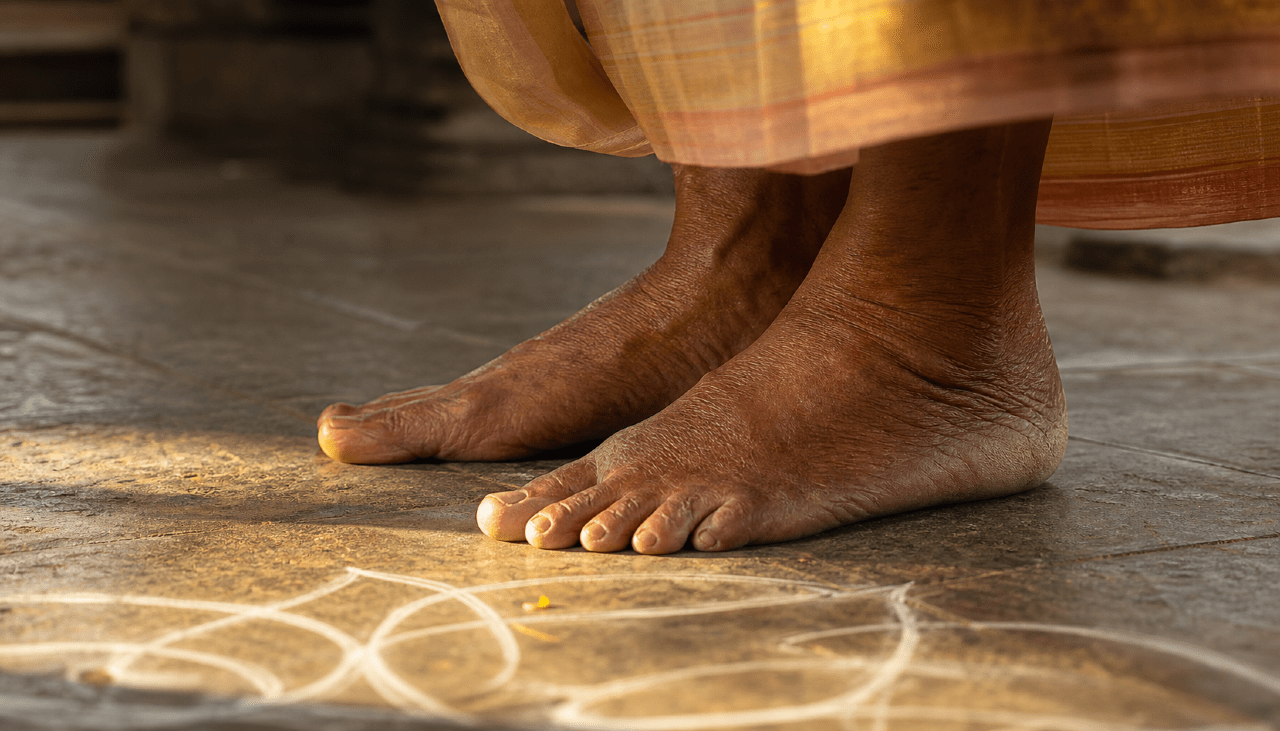
Inside their bodies, the damage accumulates without symptoms. Diabetic retinopathy, which can steal sight, affects roughly 1 in 8 Indians with diabetes, according to the SMART India population study. And the foot, the most neglected frontier, carries a particular Indian burden. We remove our shoes to enter temples, homes, sacred spaces. A 2025 study in an underprivileged Bangalore community found 62.6% of diabetics already had foot changes: dry skin, cracks, deformities. When your parent walks barefoot on hot temple stone or dewy morning grass, they are not being stubborn. They are following cultural scripts written long before diabetes arrived.
The GOQii India Fit Report 2025 documented what many families already suspect: elderly patients postponing care, skipping follow-ups, rationing what they can afford. Nearly 1 in 5 Indians have foregone critical treatment due to high costs. The report called it a "silent emergency." For families watching from abroad, it is an emergency made worse by the fact that their parents will never call it one.
|