


The diagnosis has been made. Perhaps it was a slow realisation over a year of repeated questions and missed bills, or perhaps the changes became more noticeable after a hospital stay and led to further assessment. Either way, the doctor has said the word, and your family is now asking the question that comes next: how do we look after them at home?
Many families in India would like their parent to remain at home, among familiar people and surroundings, for as long as it is safe and practical. For many people with dementia, familiar faces, familiar surroundings and a familiar routine can be reassuring.
But home is not automatically the best setting at every stage. What matters is whether your parent is safe, whether enough support is available, what they themselves want, and whether the person providing most of the care can manage without becoming exhausted.
This guide covers the practical side of dementia care at home: a daily routine, a safer home, wandering and evening restlessness, how to talk without arguing, medicines and doctor visits, looking after the person doing the caring, and when home care needs more help.
If you are still at the stage of noticing changes, start with our guides on memory changes in ageing parents and memory tests for elderly parents.
What dementia care at home looks like
Dementia affects people differently, and needs usually change over time.
In the early stages, a parent may manage most things independently with reminders or occasional supervision. Later, they may need more help with cooking, bathing, dressing, medicines and moving safely around the house.
The aim at every stage is similar: keep your parent safe, support them to do as much as they can for themselves, and protect their dignity and choices.
It helps to think of three layers:
- The routine: a predictable day that can make life easier to follow.
- The home: changes that reduce risks such as falls, burns, medication mistakes and getting lost.
- The people: family, a trained caretaker if needed, nurses or other professionals for clinical needs, and the doctor, each knowing their role.
A daily routine that stays familiar
New situations and complicated tasks can become harder for a person with dementia.
A reasonably predictable day, with meals, activity, rest and bedtime at familiar times, can reduce uncertainty and make everyday life easier.
- Keep the anchors familiar. Wake-up, meals, regular medicines and bedtime can happen at roughly the same times each day.
- Break tasks into small steps. "Let's put on your shirt" may be easier to follow than "get dressed." Clothes can be laid out in the order they are needed.
- Let them do what they still can. Folding clothes, watering plants, shelling peas or setting the table can provide purpose and help maintain independence. Doing everything for someone can reduce their opportunities to practise abilities they still have.
- Build in something they enjoy. Old songs, prayers, photo albums, gardening, conversation or a short walk can make the day more meaningful.
The routine does not need to be rigid. If your parent is tired, unwell or simply wants to do something differently that day, it is fine to adapt.
Our guide on the daily routine for elderly parents has a sample structure you can adapt.
Making the home safer
As memory, judgement, vision, mobility or awareness change, ordinary things in the house can become harder to manage safely. A few practical changes can help.

The Kitchen and Gas

Medicines
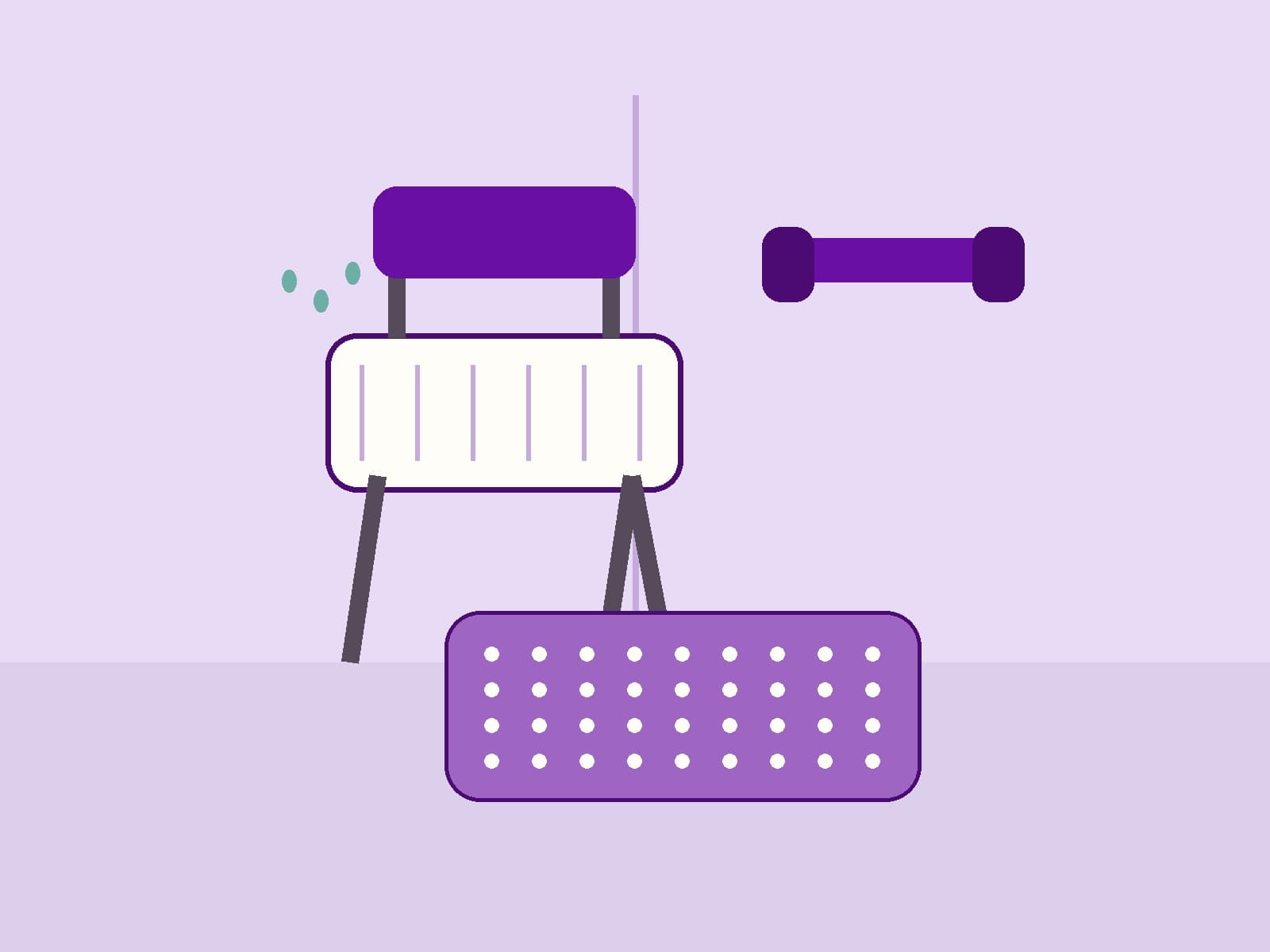
A Safer Bathroom
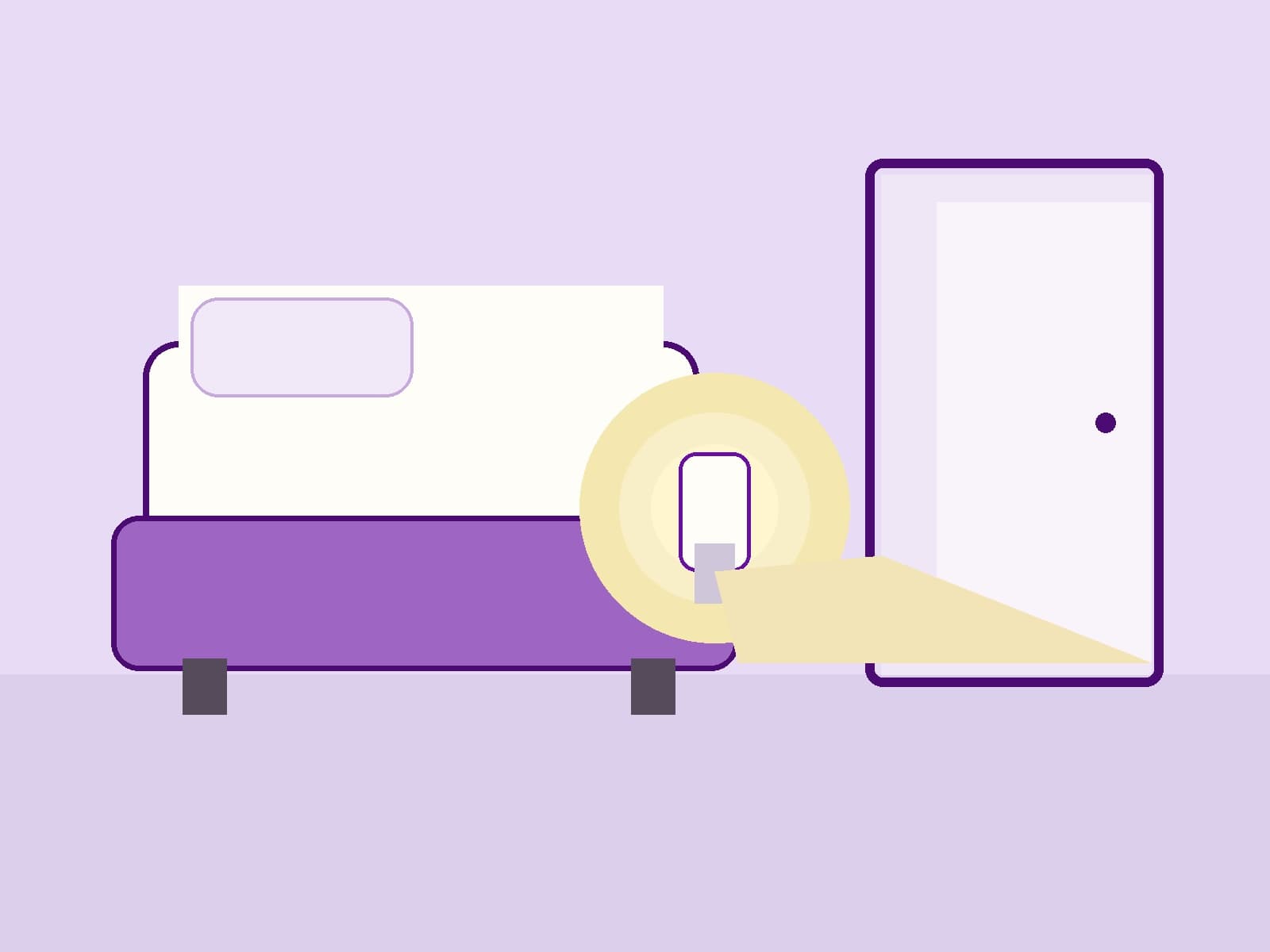
Light at Night
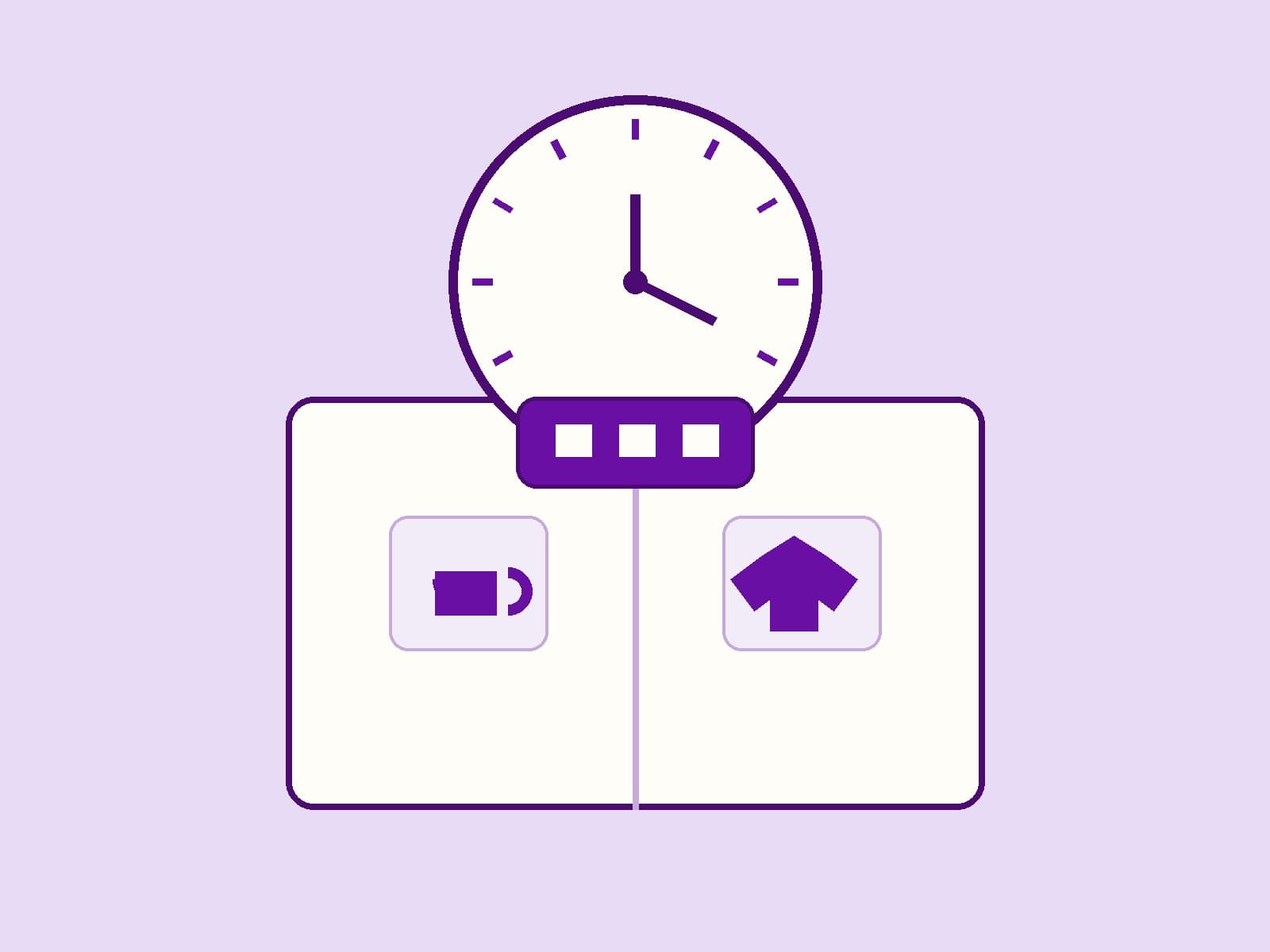
Simple Labels and Clocks

Identification
Remove clutter and loose rugs from walking paths, and avoid unnecessary changes to furniture placement once your parent is comfortable with the layout.
Our guides on bathroom safety, bedroom safety and fall prevention at home go room by room.
Wandering and evening restlessness
Wandering can be one of the most worrying parts of dementia care at home.
A parent may walk out saying they have to "go to the office" or "go home" to a house they lived in many years ago.
In a Bangalore apartment complex, a few practical steps can help:
- Tell security guards and trusted neighbours. Give the gate a recent photograph and an emergency contact number. Ask them to call you and approach your parent calmly rather than restraining them unless there is immediate danger.
- Consider a door chime or alert. This can let the family know when the main door opens, particularly at night.
- Keep a recent photograph on your phone.
- Make sure your parent has identification if they are at risk of getting lost.
- Look for what may be driving the behaviour. They may be bored, looking for the toilet, uncomfortable, in pain, anxious or following an old routine. Regular activity and accompanied walks can sometimes reduce restlessness and give that urge to move a safer outlet.
No system can guarantee that wandering will never happen, so families should have a plan for what to do if the person goes missing. If your parent goes missing, check nearby places quickly, then call 112 without delay and share a recent photo. Keep a list of places they might head for, such as an old home, a former office or a temple.
Sundowning
Sundowning is the term often used when a person with dementia becomes more confused, restless or agitated in the late afternoon or evening.
It can help to:
- turn lights on before the house becomes dark
- keep evenings calm, with less noise and fewer demands
- avoid caffeine late in the day if it affects sleep
- avoid long or late daytime naps when possible
- encourage daylight and appropriate activity earlier in the day
A sudden change is different.
If your parent becomes noticeably more confused over a few hours or a day or two, do not assume it is simply the dementia getting worse.
Sudden confusion may be delirium, or occasionally a stroke, and needs urgent medical assessment. Possible causes of delirium include infection, dehydration, pain, medication effects, low blood sugar, constipation, breathing problems and other illnesses.
A urinary infection is one possible cause, but confusion by itself does not prove that a UTI is present.
Seek urgent medical advice, especially if the confusion is severe, appears suddenly, or comes with fever, weakness, difficulty speaking, breathing problems, reduced alertness or other new symptoms. If the face droops, an arm or leg suddenly becomes weak on one side, or speech becomes slurred, call 108 immediately, because a stroke needs treatment within hours.
Talking without arguing
Many difficult conversations in dementia care come from trying to repeatedly correct a parent.
For example, telling a mother again and again that her own mother died decades ago may cause fresh grief each time she hears it.
Instead:
- Do not turn every conversation into a correction. If your father says he has to go to work, you can ask about his work or what he needs to do rather than immediately insisting that he retired.
- Use short, simple sentences. Ask one question at a time.
- Offer manageable choices. "Would you like tea or coffee?" can be easier than "What would you like to drink?"
- Look for the feeling behind the words. "I want to go home" may mean many things: "I don't feel comfortable here," "I want something familiar," "I'm anxious," "I'm lonely" or simply that the person believes they are living in another period of their life.
- Check hearing and eyesight. Difficulty hearing or seeing can make communication, orientation and participation harder.
There will still be days when patience runs thin. Regular breaks and shared responsibility can make it easier for the family to respond calmly.
Medicines, food and doctor visits
Medicines
A diagnosis of dementia does not automatically mean that a person must stop managing their own medicines.
In the earlier stages, some people can continue to manage safely, especially with reminders, written schedules or pill organisers.
For others, memory or judgement problems make self-management unsafe.
The level of help should therefore be based on the person's actual abilities and risks.
If supervision is needed, someone should make sure the correct medicine is taken at the correct dose and time and watch for problems such as dizziness, drowsiness, falls or new confusion.
A non-clinical caretaker can remind, observe and report according to the care plan. Clinical procedures such as injections or wound care should be handled by an appropriately qualified professional.
Our guide on medication management for elderly parents explains how to set this up.
Food and water
People with dementia may forget to eat or drink, lose interest in food, have difficulty recognising foods, or sometimes forget that they have already eaten.
Things that may help include:
- regular meals and snacks
- smaller portions if large meals feel overwhelming
- finger foods when cutlery becomes difficult
- keeping drinks visible and offering them regularly
- eating with someone rather than alone where possible
Coughing or choking while eating, food remaining in the mouth, repeated chest infections, unexplained weight loss, or a wet or gurgly voice after swallowing can be signs of swallowing difficulty.
These symptoms deserve prompt clinical assessment.
Our guides on dehydration in seniors and swallowing difficulty cover the warning signs.
Doctor follow-ups
Regular medical reviews help the doctor assess changes in the dementia, look for other health problems, review medicines and adjust the care plan when needed.
Before the appointment, take a short list of changes you have noticed since the previous visit.
Paperwork
While your parent is still able to understand, participate and express their wishes, it is worth discussing future legal and financial arrangements with them.
A lawyer can advise the family on the documents appropriate to their particular circumstances.
Our guide on legal documents for elderly parents explains the basics.
Looking after the family caregiver
Dementia care often falls heavily on one or a few members of a family.
In India, spouses, sons, daughters and daughters-in-law may all take on caregiving roles, and in some families responsibility is shared while in others one person carries most of it.
Dementia care can continue for years. It can affect sleep, physical health, work, relationships and emotional wellbeing.
A few things can help:
- Share responsibilities clearly. Siblings in other cities can handle bills, appointments, research, paperwork or paying for support even when they cannot be physically present.
- Plan breaks before a crisis. Regular respite can reduce caregiver strain and give the main caregiver time for their own health, work and relationships.
- Talk to someone. Support groups, counsellors, doctors and other families dealing with dementia can all be useful sources of support.
Our guide on the sandwich generation has more on managing care alongside work and family.
When home care needs more help
There is no single moment when every family needs to bring in professional help.
But some signs suggest that the current arrangement needs to be reviewed:
- your parent can no longer be left alone safely
- they are wandering or leaving home unsafely
- nights are repeatedly disturbed
- there have been falls or near misses
- there are repeated medication mistakes
- cooking or gas use has become unsafe
- bathing, dressing, toileting or eating now require regular assistance
- behaviour has become difficult for the family to manage safely
- the main caregiver is physically or emotionally exhausted
At that point, options may include a trained caretaker for part of the day or round the clock, nursing support for clinical needs, respite care, help with appointments and outings, or, in some situations, a discussion about residential care.
Our guide on how to find and hire a caretaker in Bangalore explains what to look for, including experience supporting people with dementia.
Frequently asked questions
Can a person with dementia be cared for at home?
Yes. Many people with dementia continue living at home for years when the environment is safe and enough support is available. But dementia progresses differently in different people. The care plan should be reviewed as needs change. Some people may eventually require more supervision, nursing support or residential care.
How do I stop my parent with dementia from wandering?
There is no method that can completely guarantee that wandering will stop. You can reduce risk by informing security guards and trusted neighbours, keeping a recent photograph, ensuring your parent carries identification, using a door alert where appropriate, providing safe opportunities to walk and staying alert to possible triggers such as pain, anxiety, boredom or needing the toilet. Our guide on fall prevention at home covers safer walking routes inside the house.
Why is my parent more confused in the evening?
This pattern is often called sundowning. Tiredness, reduced light, disruption to the body clock, overstimulation and an unfamiliar environment may all contribute. A new, sudden increase in confusion is different and should be medically assessed urgently because it may represent delirium or another acute illness. Our guide on UTIs and confusion explains one possible cause.
What does a caretaker do for a parent with dementia?
A trained caretaker can help with daily activities such as bathing, dressing, meals, walking, toileting and maintaining a familiar routine. They can provide companionship, remind the person about medicines according to the care plan, and observe and report changes to the family. Clinical tasks such as injections, wound care and other nursing procedures should be handled by appropriately qualified healthcare professionals. Kareverse can help families arrange trained caretaker support based on the elder's needs and required hours of care.
We are not sure it is dementia yet. What should we do first?
Get the memory changes medically assessed. Memory problems do not always mean dementia. Depression, medication effects, thyroid problems, vitamin deficiencies, sleep disorders, infections, hearing loss and several other conditions can affect memory or thinking, and some are treatable. A screening test can help identify whether a fuller medical assessment is needed, but screening by itself does not diagnose dementia. Our guide on memory tests for elderly parents explains the process.
A simple next step
Dementia care at home is rarely about one big decision.
It is usually a series of small adjustments: making the home safer, simplifying routines, changing the way the family communicates and bringing in more support as needs change.
The aim is not to take over everything your parent does.
It is to give them enough support to remain as safe, involved and independent as possible while making sure the people caring for them can continue doing so without becoming overwhelmed.
If your parent needs steady support at home, Kareverse can help arrange a trained caretaker experienced in supporting older adults, with Care Manager oversight where required.
For doctor follow-ups and appointments, Genie by Kareverse can accompany your parent when you cannot be there.
If you are still unsure whether the changes you are seeing could be dementia, Kareverse's Memory and Thinking Check can be used as a first screening step. It is not a diagnosis. Any concerning result should be followed by an appropriate medical assessment.