| No. 16 · Thursday, 3rd September 2026 |
For those who care from a distance |
Kareverse, Bangalore |
|
|
Newsletter
Elder care intelligence for NRI families with parents in Bangalore
|
|
Feature Essay
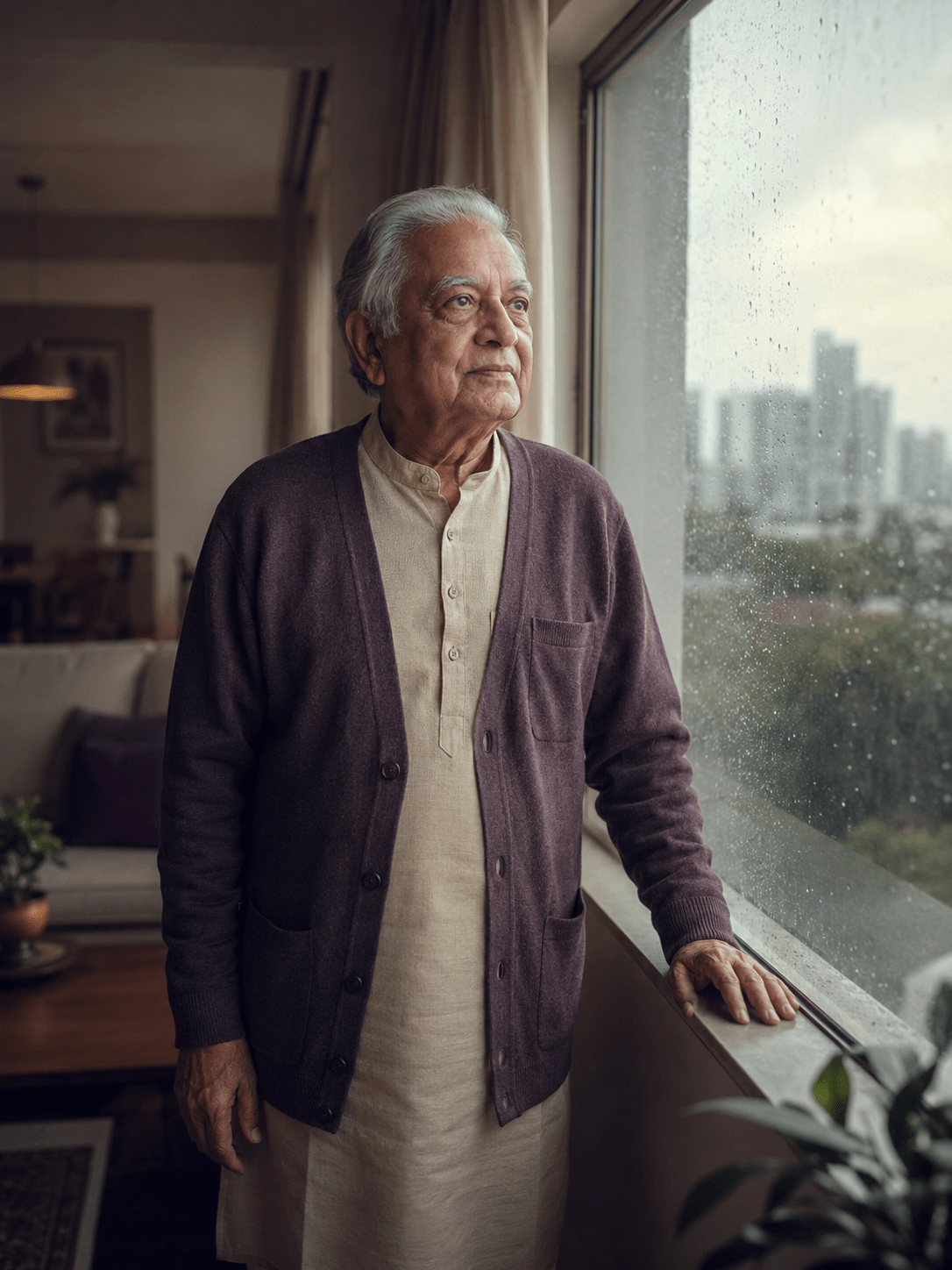
The Strength the Rain Took
The monsoon is breaking, and you picture your parent easing back into their morning walk. But legs that stopped for ten weeks do not simply switch back on. Weeks of sitting still, the ordinary price of a wet Bangalore season, quietly drain an older body of strength and balance, and unlike a cold, it does not recover just because the rain did.
2 weeks
is all it takes. As little as two weeks of much-reduced walking measurably weakens an older adult's legs, and the strength does not rebuild on its own when they return to normal life. It has to be deliberately rebuilt.
|
|
"Strength is not like a cold that lifts on its own. It is the one thing an ageing body only gets back if it is asked to, patiently and on purpose."
Edition 16
|
|
The rain is finally thinning. The pavements are drying, the sky has that washed-clean September blue, and somewhere in you a small tension lets go: the worst of the monsoon is over, and your mother can get back to her morning walk. You picture her at the park gate again, chatting with the same three women, doing her slow loop. You assume she will simply pick up where she left off in June. She may not. And the reason is one of the least understood facts about ageing bodies: strength that took years to build can drain away in a matter of weeks of sitting still, and it does not come back on its own just because the person starts moving again.
We tend to think deconditioning is something that happens to people in hospital beds. It is not. You do not need to be bedridden to lose meaningful strength. Studies that simply asked healthy older adults to walk less for two weeks, to drop from their usual three or four thousand steps a day down to under fifteen hundred, found real, measurable losses: several percent of the muscle in their legs gone, and a clear fall in leg strength. And here is the part that should make every family pay attention. When those same adults went back to their normal walking for two weeks, the muscle did not simply return. What was lost in a fortnight of sitting did not repair itself in a fortnight of ordinary life. It needed deliberate effort to come back.
Now hold that against what a Bangalore monsoon actually does to an eighty-year-old. For ten or twelve weeks, the morning walk is cancelled: the footpath is a sheet of water, the park is mud. The lift is out again after a power cut, so the third floor becomes a fortress. The floors inside are slick, so they move carefully, slowly, less. And often the family itself, out of pure love, has been saying the same thing all season: stay in, don't risk the stairs, don't go out in this. Every one of those instructions is sensible. Every one of them also means fewer steps, and fewer steps, week after week, quietly take the strength out of a parent's legs.
The danger is not the weakness itself. It is what the weakness sets in motion. Weaker legs mean poorer balance. Poorer balance means the first stumble, on a wet threshold, on a step misjudged in the dim monsoon light. And a fall, or even a near-fall, plants a fear that shrinks a person's world faster than any injury: now they are frightened to walk, so they walk even less, so they grow weaker still. It is a spiral, and each turn of it makes the next easier. A parent can enter a monsoon steady on their feet and come out of it, three months later, genuinely frail, without a single dramatic event to point to. It happened in the quiet, one uneventful indoor day at a time.
Which is exactly why September matters more than it looks. This is the fork in the road. Handled well, these next few weeks are when your parent rebuilds what the season took and walks into the festival months and the winter as strong as they were in May. Ignored, September is simply the month the decline becomes permanent, carried into a cold winter that offers few reasons to go out. The good news, and it is genuinely good news, is that the same bodies that lose strength so easily also rebuild it, at any age, when they are asked to. The muscle of a ninety-year-old still responds to being used. It just has to be deliberately, patiently used, not left to recover by accident.
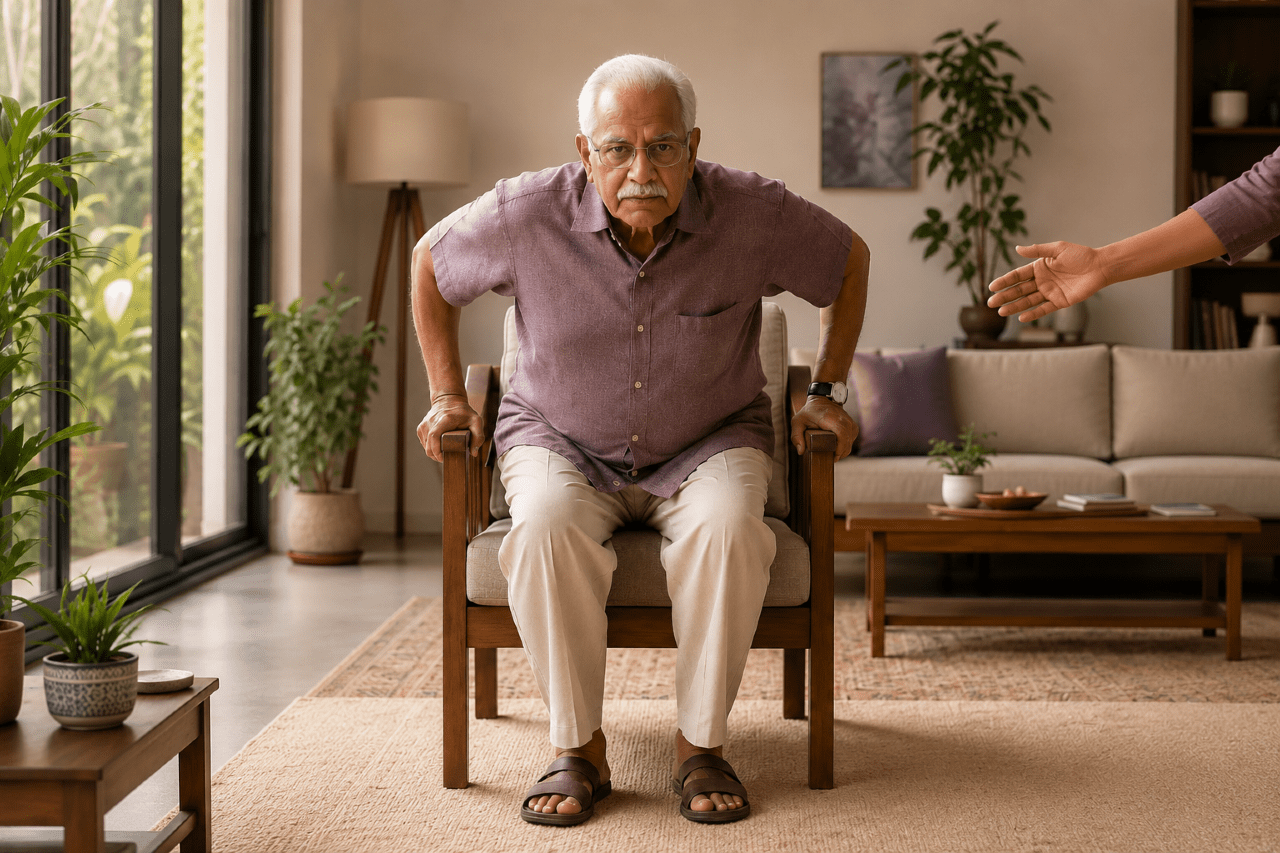
So the work of this month is not rest. It is the opposite. It is a gentle, deliberate return to load. A short walk that starts at ten minutes and grows a little each week. Standing up from a chair and sitting back down, ten times, twice a day, which sounds almost too small to matter and is in fact one of the best leg-strengthening exercises there is. A physiotherapist's assessment to catch the balance problems a family cannot see and to set a safe, specific plan. The instinct after a hard season is to wrap a parent in more care and more sitting. The truer kindness is to help them move again, carefully, before the not-moving becomes who they are.
|
Also in this edition
"A parent can enter a monsoon steady on their feet and come out of it, three months later, genuinely frail, without a single dramatic event to point to."
The fix is not more rest. It is a gentle, deliberate return to movement: a ten-minute walk that grows each week, ten slow stands from a chair twice a day, an arm on the stairs until the confidence comes back.
Ask how much they actually walked this monsoon. The honest answer is often "almost not at all." That is the thing to fix, not to scold.
|
|
|
● The Bangalore Lens
What's happening locally, right now
|
The rain stops. The recovery doesn't start by itself. Someone has to be there for the first walk.
On paper the fix is simple: get them walking again. In practice, from another continent, it is the hardest kind of simple, because a first walk after a nervous, sedentary monsoon needs a person, not a phone call. Someone at the door at 7am so it actually happens. Someone whose arm is there on the wet-slick landing so the fear doesn't win. This is the season your parent needs company back into movement, the whole idea behind our Active Age community, and it is exactly what Genie is built for.

Genie's Be There at Home puts a calm, background-verified person beside your parent for the un-glamorous work that rebuilds a body: the daily short walk, the sit-to-stands counted out loud together, the steadying arm on the stairs until the confidence returns. And Go With Them takes your parent for a proper physiotherapy assessment, so the return to strength follows a safe, specific plan rather than guesswork.
A Genie never touches your parent's money, never asks for a PIN, never transacts. It is simply the attentive presence you would be yourself, if you were here. The things you'd do for your parents, if you were here.
You cannot walk your parent back to strength from ten thousand miles away. But you can make sure someone walks beside them, every morning, until they can do it alone again.
|
13%
the drop in leg strength healthy older adults showed after just ten days off their feet, in one landmark study. It goes that fast. The reassuring half of the same finding: those bodies rebuilt what they lost when the strength was deliberately trained back. The loss is quick; the repair is reliable, if someone helps it along.
|
|
|
● One Thing To Do
This week
|
|
Action
Do this now
Restart the Walk. Gently, and This Week.
Don't wait for your parent to "feel ready," and don't let the fix be more rest. The single highest-value thing you can do this September is help a sedentary body start moving again, safely, before the not-moving hardens into frailty.
1. Name the gap out loud on your next call. Ask, plainly and warmly: "How much did you actually walk this monsoon?" The answer is often "almost not at all." That is the thing to fix, not to scold.
2. Start absurdly small. Ten minutes of flat, safe walking a day, or even just up and down the corridor, is the beginning. Small and daily beats ambitious and abandoned. Build the time up slowly, week by week.
3. Add the chair. Standing up from a firm chair and sitting back down, ten slow repetitions twice a day, is one of the best and safest leg-strengtheners there is. No equipment, no floor space, no risk.
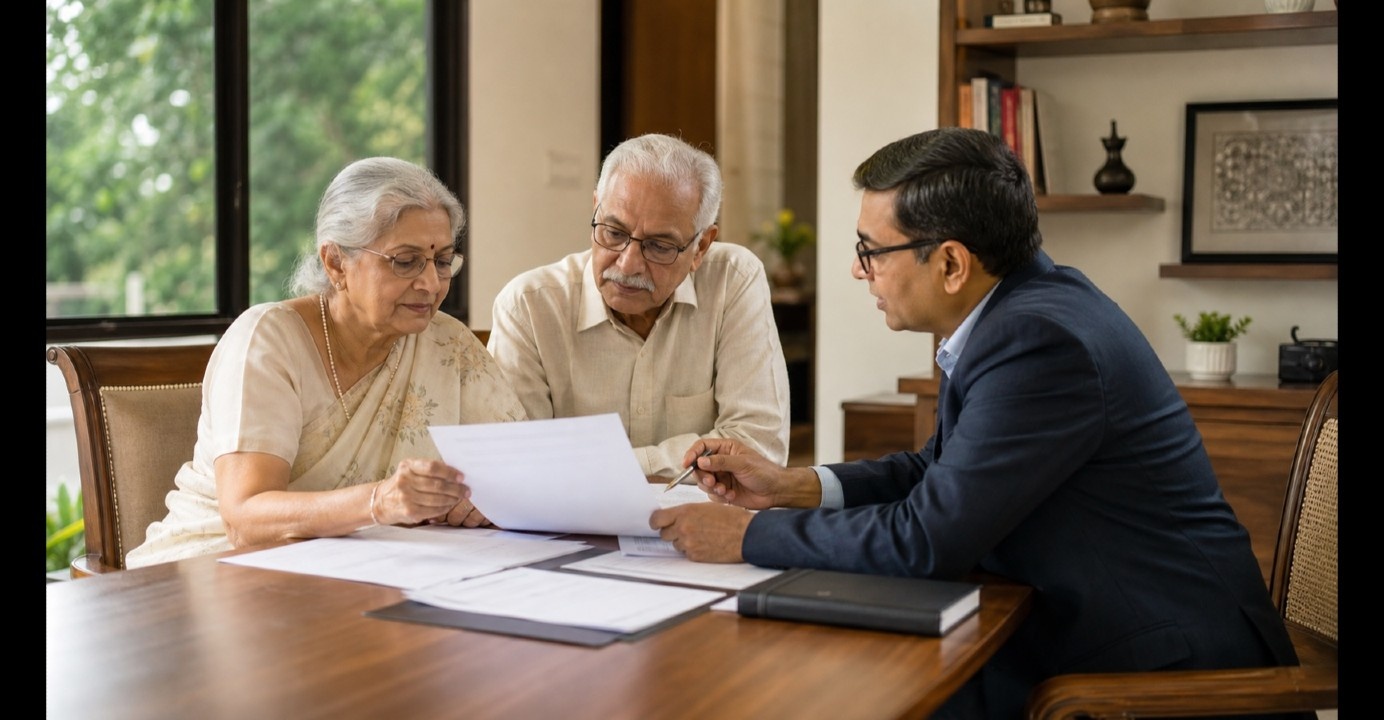
4. Get a real assessment. A one-off physiotherapy visit catches the balance and strength problems you cannot see on a screen and turns "just walk more" into a specific, safe plan. It is worth far more than another anxious phone call.
5. Make it social, not solitary. A walk with a neighbour, a friend from the building, or the Active Age community happens far more reliably than a walk done alone out of duty. Company is what keeps it going after week one.
The monsoon takes strength quietly. September is when you help your parent take it back, before winter makes it permanent.
|
|
● From The Blog
Further reading on kareverse.com
|
|
|
|
Every year the rain breaks and a whole city exhales, and every year we assume the recovery takes care of itself, the walks resume, the legs remember, the parent we knew in May simply returns. Mostly, quietly, they don't, not without help. Strength is not like a cold that lifts on its own; it is the one thing an ageing body only gets back if it is asked to, patiently and on purpose. So this is the small, unglamorous work of September: not to wrap a parent in more rest, but to help them move again before the stillness settles in for good. A ten-minute walk. Ten slow stands from a chair. An arm at the door on the first wet-slick morning. It is not how we imagine care, grand and rescuing. It is smaller and steadier and far more useful: the difference between a parent who walks into the winter strong and one who spends it growing frail, one uneventful indoor day at a time.
The Kin Letter, Edition 16 · Thursday, 3rd September 2026
|
|
Know someone whose parents are in Bangalore? Forward this letter, or invite them to subscribe.
Subscribe
Join Active Age Community
Follow on LinkedIn
|
|
Sources: Kortebein P, et al., "Functional Impact of 10 Days of Bed Rest in Healthy Older Adults," Journals of Gerontology: Series A, 2008 (roughly a 13% loss of knee-extensor strength, a 14% loss of stair-climbing power, and about 0.95 kg of lean leg mass after 10 days of bed rest in healthy adults averaging 67 years). Step-reduction studies in older adults (a fall to under 1,500 steps a day for two weeks) showing measurable loss of leg muscle and strength, with muscle-building activity that did not recover after two weeks of returning to normal activity without deliberate rehabilitation; reviewed in Bowden Davies et al., Therapeutic Advances in Endocrinology and Metabolism, 2019. Both note that older muscle rebuilds well when strength is deliberately re-trained at any age. And Genie by Kareverse (kareverse.com/genie). This letter is general information, not medical advice; any new weakness, unsteadiness, or a fall should be assessed by your parent's own doctor or physiotherapist.
You're receiving The Kin Letter because you're part of our community. Unsubscribe
|
|